The current push for a ceasefire between the United States and Iran has stalled, with Tehran reportedly rejecting a US proposal for a 48-hour truce. Mediators involved in the discussions suggest the talks have reached a dead end, according to reports from The Wall Street Journal and other news outlets.
Iran's stated conditions for considering an end to hostilities include demands for US reparations, withdrawal from Middle East bases, and guarantees against future attacks. The US has not accepted these terms.
Regional powers Turkey and Egypt are reportedly exploring alternative venues for negotiations, with Doha and Istanbul being considered as potential locations.

Sticking Points and Counter-Demands
Iran has articulated a clear stance: no ceasefire will be considered until US and Israeli strikes cease. This position has been reinforced by an unnamed Iranian military official who indicated that Iran would target shipping in the Red Sea if a US ground invasion were to occur.
Conversely, US President Donald Trump has claimed on 'Truth Social' that Iran initiated requests for a ceasefire. These claims have been flatly denied by Iran, with state media calling them "false and baseless." Trump has also issued warnings of further strikes on Iran and threatened to target civilian infrastructure if a deal is not reached.
Read More: Iran attacks UK jet fuel plant, causing oil tanker fire and supply fears

Broader Context of the Conflict
The collapse of these talks occurs amidst ongoing hostilities. Reports indicate Israel has struck targets within Tehran, while Iran has launched missile and drone attacks on Israel and Gulf countries, including an incident at Kuwait International Airport. The military conflict, now in its 33rd day according to one report, has seen significant exchanges, including Israeli air defense responses to Iranian missile attacks and Iranian missile launches causing casualties and damage.
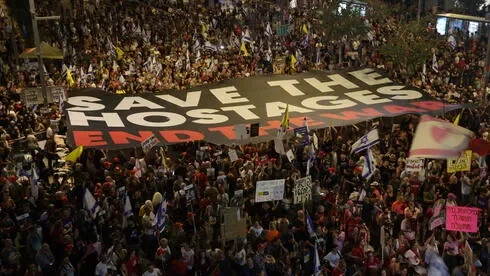
Mediators have also been involved in separate negotiations concerning Gaza. Sources familiar with these talks suggest Israel is "dragging its feet" while Hamas maintains firm demands. Progress has been reported on maps outlining Israeli Defense Forces' withdrawal, but no final agreement has been reached. A potential meeting between President Trump and the Qatari Prime Minister was seen as critical to the outcome of these Gaza-related negotiations.
Further complicating the regional situation, there are reports that Israel and Lebanon are expected to hold talks aimed at securing a ceasefire, with the goal of disarming Hezbollah. Lebanon's government also reportedly desires the disarmament of the militant group.
Background of Tensions
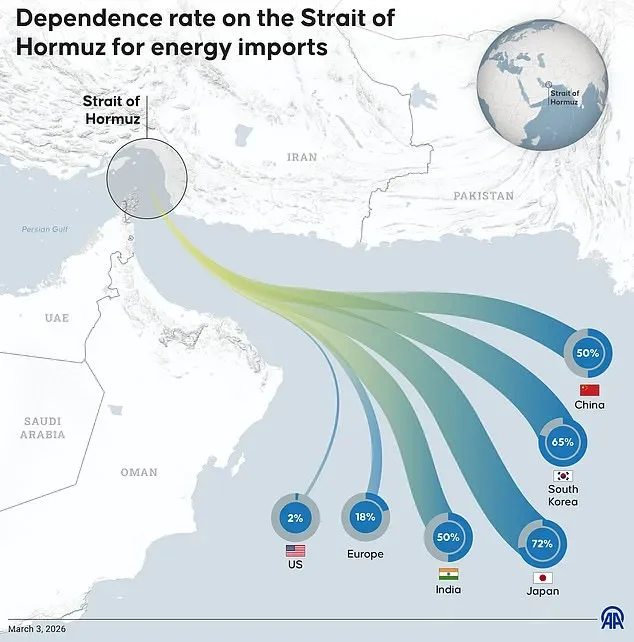
The conflict appears to be intensifying, with Iran closing the Strait of Hormuz, contributing to soaring oil prices. The widening war is inflicting civilian casualties, and the lack of engagement from both Washington and Tehran suggests a potential for extended conflict.
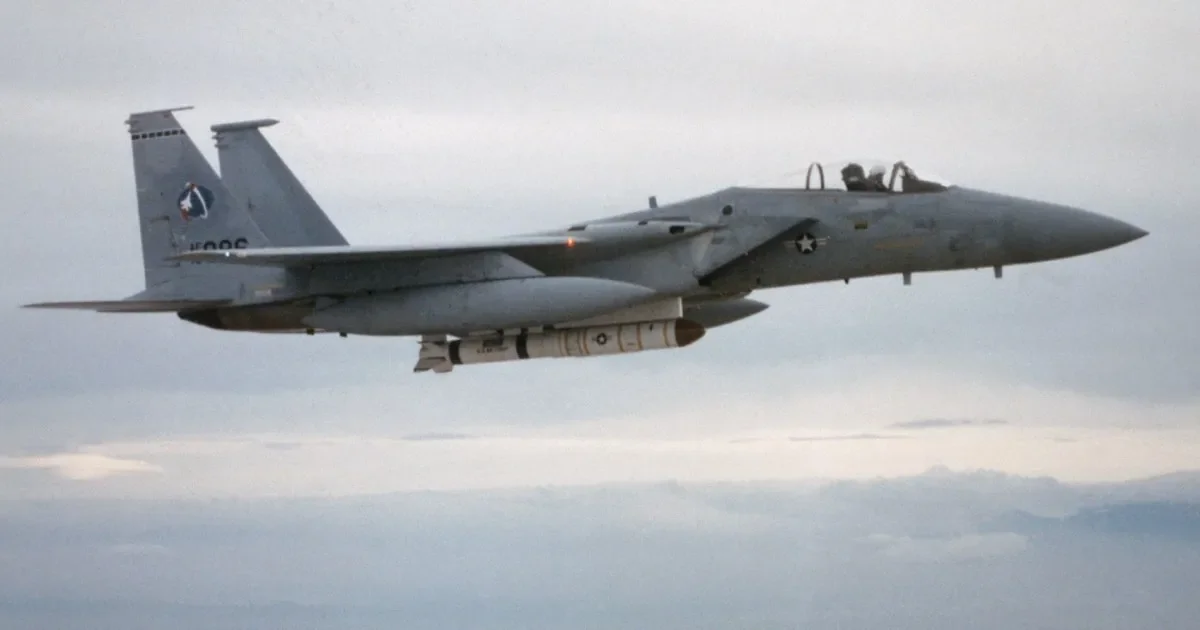
Read More: US F-15E Jet Shot Down Over Iran, One Pilot Rescued
While specific dates for most of the US-Iran talks are not provided, references to ongoing military actions place them in early April 2026, with some related negotiations concerning Gaza having occurred in mid-July 2025 and a ceasefire holding for a month in November 2025. A separate Israel-Lebanon ceasefire talk was anticipated in March 2026.