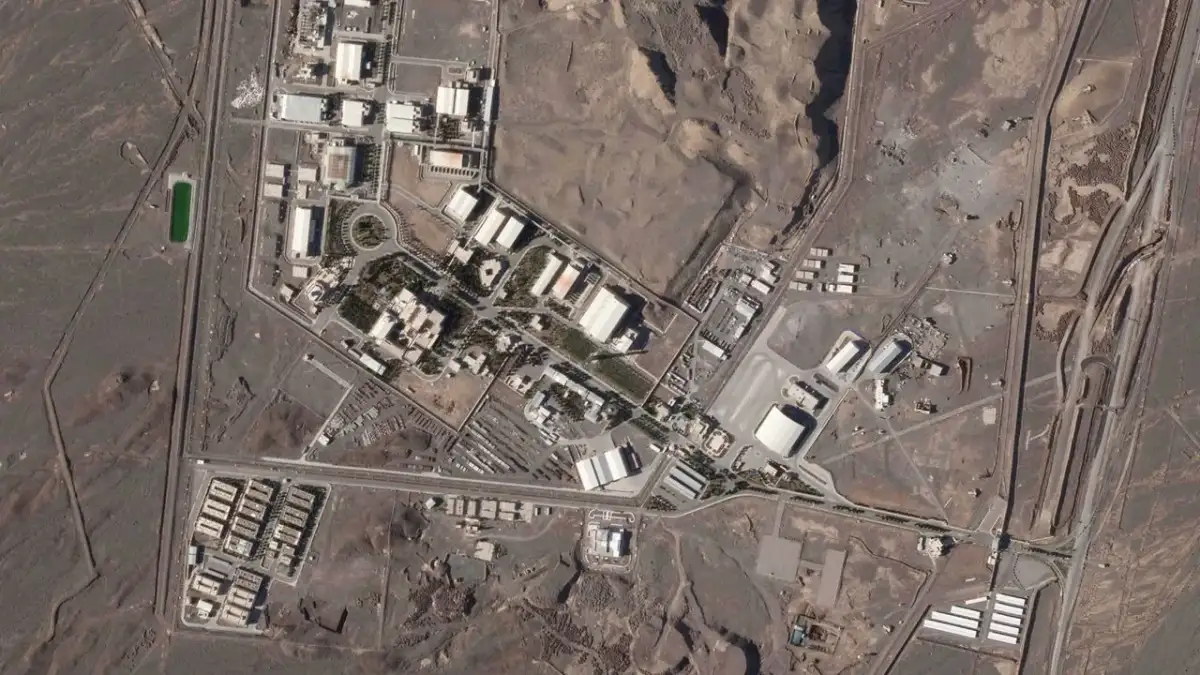
US intelligence estimates suggest that a significant portion of Iran’s ballistic missile arsenal remains inaccessible and functional, despite sustained aerial campaigns aimed at degrading its capabilities. While a third of the stockpile is believed to be destroyed or damaged, another third is considered buried or otherwise out of reach, primarily within an extensive network of underground facilities. This persistent capacity raises questions about the efficacy of current strategies in fully neutralizing Iran's missile threat.
Intelligence points to Iran actively repairing and reinforcing its missile infrastructure, including underground bunkers. This rebuilding effort, observed through satellite imagery, indicates a commitment to maintaining and potentially reconstituting its missile programs. Reports note the swift repair of damaged facilities, though access to specific, specialized equipment for solid-fuel missile production remains a potential bottleneck.
The Scope of the Arsenal
Estimates of Iran’s pre-war ballistic missile inventory vary, with some figures suggesting 2,500 missiles capable of reaching Israel.
The vast tunnel network and underground storage sites present a considerable challenge for pinpointing and destroying the entire arsenal.
US Defense Secretary Pete Hegseth has acknowledged the difficulty, likening Iran’s tunnelling strategy to that of militant groups.
Officials admit that the exact status of Iran's missile stockpile remains unclear, making comprehensive assessment problematic.
Operational Resilience and Strategic Leverage
Despite weeks of bombardment, Iran has demonstrated continued operational capability, launching missile and drone attacks. This resilience is partly attributed to its extensive underground military infrastructure, which analysts say allows for sustained operations even as its arsenal gradually declines.
Read More: Iran Zagros Mountain Nuclear Site Construction Update April 2026
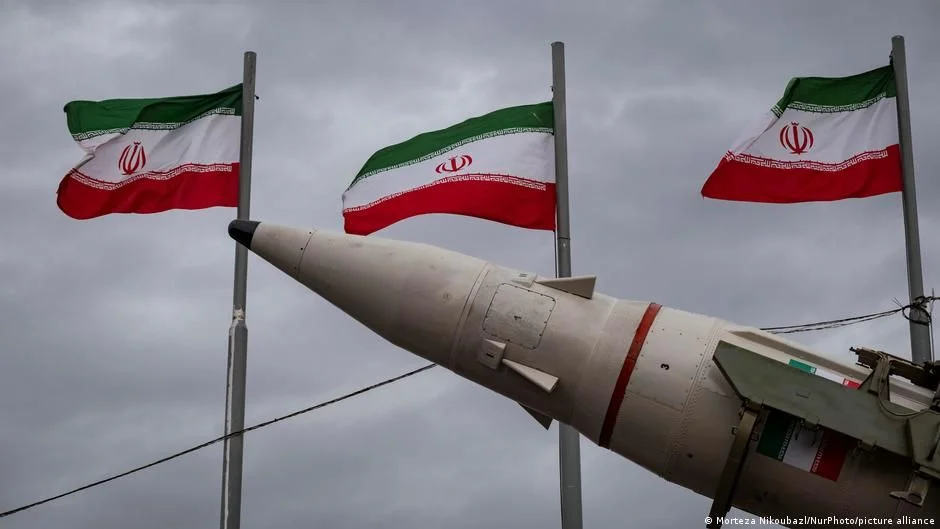
Beyond its missile capabilities, Iran's strategic leverage, particularly its ability to threaten global energy supply routes like the Strait of Hormuz, remains a significant factor in the ongoing conflict. This leverage could influence the duration and nature of hostilities.
The Rebuilding Effort
Satellite imagery indicates that Iran is rapidly repairing missile production sites damaged during recent military actions. This rebuilding speed underscores Iran’s dedication to its missile programs, even as it faces challenges in acquiring crucial components for solid-fuel missile production. Before the conflict, Iran was reportedly producing over 200 solid-fuel missiles monthly at sites near Tehran. The current emphasis on repairs and fortifications suggests a focus on readiness and continuity.
Broader Military Context
The US-led military campaign, referred to as Operation Epic Fury, has been underway for over a month and involves significant US troop presence. Alongside efforts to degrade Iran's missile and drone capabilities, the operation also targets other military assets, including mine-laying capabilities and naval forces. The Pentagon is also reportedly exploring additional measures, such as bunkers and electronic warfare options, to enhance force protection for its personnel.
Read More: Air Force Major Detained for Calling for President's Impeachment