Kansas City has emerged as a primary hub for several top-ranked national teams preparing for the 2026 FIFA World Cup. The city's success in attracting these teams, including powerhouses like Argentina, England, and the Netherlands, is attributed to a multifaceted approach involving dedicated facilities, strategic outreach, and a distinctive local charm. This effort has positioned Kansas City as the "Base Camp Capital of FIFA World Cup 26," aiming to leverage the event for economic and cultural benefit.
Strategic Selections by National Teams
Several prominent national soccer teams have indicated or are expected to utilize Kansas City as their base camp for the 2026 FIFA World Cup. This selection process involved extensive evaluation by teams and FIFA, with Kansas City presenting itself as a compelling option.

Key Teams Showing Interest: Reports suggest strong interest from Argentina, England, and the Netherlands.
Facility Assessments: More than a dozen national teams have toured the city's proposed training sites.
Logistical Considerations: The central location of Kansas City was noted as a significant factor for teams.
Kansas City's Proposition: Facilities and Hospitality
Kansas City offered a combination of state-of-the-art training venues and a commitment to providing a welcoming environment for visiting teams.
Read More: 12 Cricket Teams Qualify for 2028 T20 World Cup in Australia and New Zealand
Training Centers:
KC Swope Soccer Village: Features natural and synthetic turf fields with on-site support.
Sporting KC Performance Center: A modern facility with multiple pitches, extensive training areas, and health services. This center was previously considered by England for a potential rental agreement before FIFA regulations on pre-draw arrangements were finalized.
Accommodation: The Hotel Kansas City was a point of contact for some national team representatives.
"KC Kind" Approach: Beyond facilities, there was an emphasis on the unique local culture, including hospitality and experiences like barbecue and padel.
The "Underdog" Narrative and Local Pride
Kansas City's approach to securing these base camps was characterized by a sense of being an "underdog," a narrative that has historically suited the city. This perspective appears to have driven a strong collective effort.
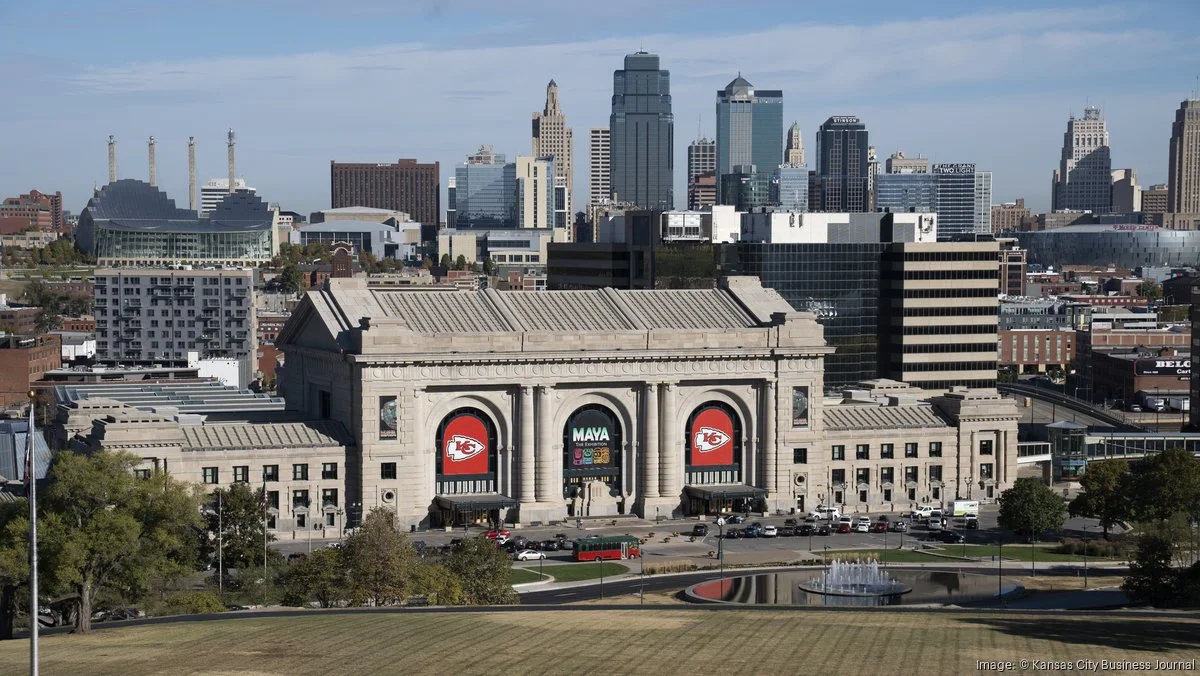
Self-Perception: The city acknowledged its size relative to other potential host cities, with Kansas City being the third-smallest among the 23 initially considered.
Leveraging Local Strengths: The "perfectly Kansas City story" and the embrace of being an underdog were presented as advantages.
Community Involvement: The success is attributed to the efforts of companies, individuals, and immigrant communities who have built the city's soccer infrastructure over time.
FIFA's Role and Organizational Efforts
FIFA's regulations and the organizational framework provided by local committees were crucial in facilitating these selections.
Preference Submission: National teams submitted their base camp preferences to FIFA by a specified deadline.
Local Organizing Committee: Pam Kramer, CEO of KC2026 (Kansas City's World Cup organizing committee), highlighted the coordination between venues, teams, hotels, FIFA, and the host committee.
Preemptive Arrangements: FIFA's directives prevented teams from securing rental agreements for training facilities long before the official draw.
Potential Economic and Cultural Impact
The presence of multiple World Cup base camps is expected to generate significant benefits for the Kansas City region.
Increased Tourism and Revenue: Hosting teams and their support staff is projected to boost tourism and economic activity.
Global Visibility: Kansas City aims to elevate its profile on the global stage as a premier sports and event destination.
Fan Engagement: Teams staying in Kansas City are considered contenders for deep tournament runs, potentially bringing more fans and engagement to the city during the event.
Expert Analysis
Pam Kramer (CEO, KC2026): Emphasized the comprehensive nature of the city's bid, stating, "You've got the venue, you've got the team, you've got the hotel, you've got FIFA, you've got the host committee."
Team Attachments: Despite its size, teams have reportedly felt a strong connection to Kansas City.
Underdog Strategy: The city's willingness to embrace its position as an underdog was seen as a key element in its appeal.
Conclusion
Kansas City's success in attracting World Cup base camps is a result of deliberate planning and a comprehensive offering. By combining world-class training facilities with a distinctive local culture and a strategic organizational effort, the city has positioned itself as a significant host for the 2026 FIFA World Cup. The selection by teams like Argentina, England, and the Netherlands underscores the effectiveness of these strategies. The anticipated influx of visitors and global attention are expected to provide substantial economic and cultural benefits to the region. Further details on official team announcements and finalized arrangements are anticipated as the tournament approaches.
Read More: Wyoming Uranium Production Starts Again After 5 Years Due to More Nuclear Power
Sources Used:
How Kansas City wooed World Cup giants to its base camps: BBQ, padel, ‘KC Kind’
How did Kansas City lure 3 top-10 World Cup teams? Here’s the inside story
Inside Kansas City’s journey to become ‘Base Camp Capital of FIFA World Cup 26’
K.C. becoming World Cup ‘base camp capital’ as several teams plan their stays
Kansas City caught the eye of 3 World Cup powerhouses as teams make base camp selections
Top-ranked World Cup teams pick Kansas City for base camps - Kansas City Business Journal
How Kansas City went from soccer ‘hick town’ to coveted 2026 FIFA World Cup site