A daily 10-minute practice rooted in ancient Chinese tradition, known as Baduanjin, has demonstrated a notable ability to lower blood pressure. Recent findings from a large, multi-center randomized trial suggest that this mind-body exercise is as effective as brisk walking and comparable to some medications in reducing systolic blood pressure. These results, sustained over a year, offer a potentially accessible lifestyle intervention for managing hypertension.
Study Details and Participants
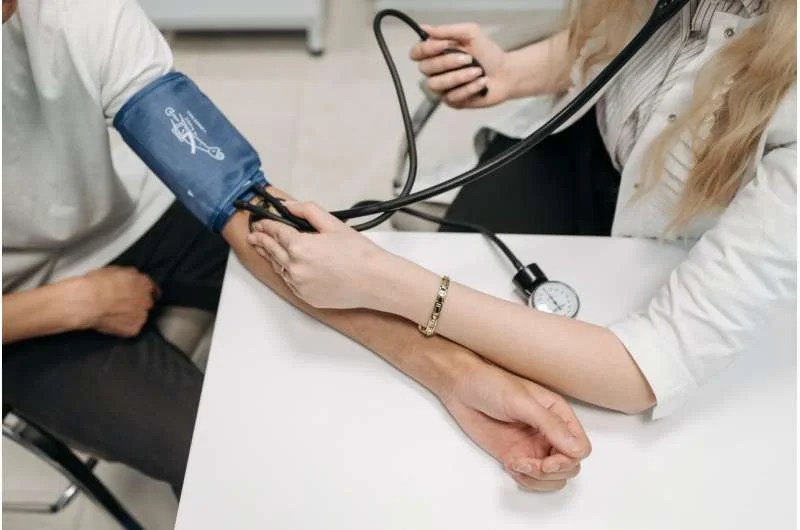
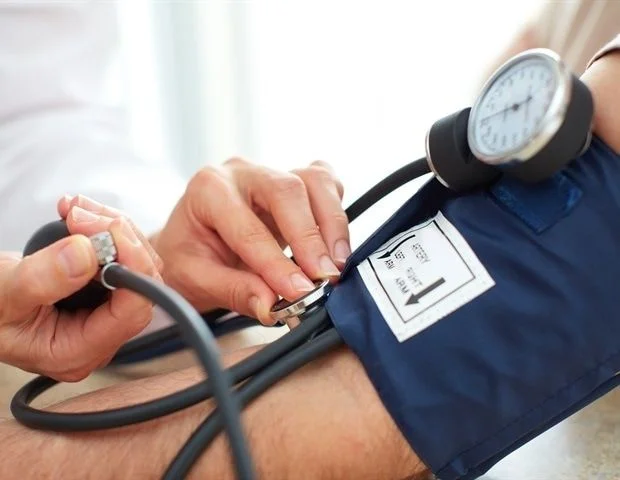
The study, named the BLESS trial, investigated the impact of Baduanjin on blood pressure. It involved 216 participants, all aged 40 years or older and diagnosed with stage 1 hypertension, characterized by a systolic blood pressure between 130-139 mm Hg. Participants were divided into three groups for a 52-week period:
One group practiced Baduanjin.
Another group engaged in self-directed exercise.
A third group performed brisk walking.
The primary measure observed was the change in 24-hour average systolic blood pressure from the beginning of the study, and then again at 12 and 52 weeks.
Read More: India IVF Costs And Social Barriers Limit Access In April 2026
Baduanjin's Effect on Blood Pressure
The core finding is that Baduanjin, a practice involving slow, structured movements, deep breathing, and meditative focus, significantly lowered blood pressure. Participants in the Baduanjin group showed a greater reduction in their 24-hour average systolic blood pressure compared to those undertaking self-directed exercise.
Comparative Efficacy: The blood pressure reductions observed with Baduanjin were found to be comparable to those achieved through brisk walking.
Medication Comparison: Researchers noted that the benefits were comparable to reductions seen with some first-line blood pressure medications.
Magnitude of Change: Specifically, practicing Baduanjin five days a week resulted in an approximate 3 mmHg reduction in 24-hour systolic blood pressure and a 5 mmHg reduction in office systolic blood pressure when compared to self-directed exercise.
Sustained Benefits: The positive effects on blood pressure were observed after three months of practice and were sustained for the entire one-year duration of the trial.
What is Baduanjin?
Baduanjin, also referred to as the "Eight Brocades," is a traditional Chinese mind-body practice. It is characterized by:
A standardized sequence of eight coordinated movements.
Integration of aerobic, isometric, and flexibility components.
A strong emphasis on mind-body connection, deep breathing, and focused meditation.
It is described as simple, safe, and easy to adhere to long-term, making it a scalable lifestyle intervention.
Implications for Hypertension Management
High blood pressure is a leading preventable risk factor for heart disease. The findings suggest that Baduanjin could serve as a valuable and accessible tool for individuals looking to manage their blood pressure.
The practice offers a non-pharmacological approach with proven efficacy.
Its accessibility and ease of integration into daily life are highlighted as key advantages for long-term adherence.
Expert Commentary
Jing Li, MD, PhD, a senior author of the study and Director of the Department of Preventive Medicine at the National Center for Cardiovascular Diseases in Beijing, China, stated:
"Given its simplicity, safety and ease at which one can maintain long-term adherence, baduanjin can be implemented as an effective, accessible and scalable lifestyle intervention for individuals trying to reduce their blood pressure."
Sources
The Express (Health Section): This report provides an overview of the study's findings, emphasizing the comparison of Baduanjin to medication. https://www.express.co.uk/life-style/health/2172682/china-exercise-blood-pressure-health
Medical Xpress: This article details the clinical trial results, focusing on the sustained blood pressure reductions and the study's context within hypertension management. https://medicalxpress.com/news/2026-02-ancient-mind-body-proven-blood.html
American College of Cardiology (ACC): The ACC's publication highlights the BLESS trial, its methodology, and the significance of Baduanjin as a mind-body practice for blood pressure control. https://www.acc.org/latest-in-cardiology/journal-scans/2026/02/17/14/32/bless
Scimex: This news outlet reports on the study's potential for lowering blood pressure, drawing parallels to brisk walking and medication. https://www.scimex.org/newsfeed/ancient-mind-body-practice-could-help-you-lower-your-blood-pressure
News-Medical.Net: This report focuses on Baduanjin matching walking in hypertension control and includes a quote from the study's senior author about its implementability. https://www.news-medical.net/news/20260218/Ancient-mind-body-practice-matches-walking-for-hypertension-control.aspx
Archyde: This article details the specific reductions in blood pressure (both 24-hour and office readings) and reiterates the comparison to walking and its sustained benefits. https://www.archyde.com/baduanjin-ancient-chinese-practice-lowers-blood-pressure-as-effectively-as-walking/
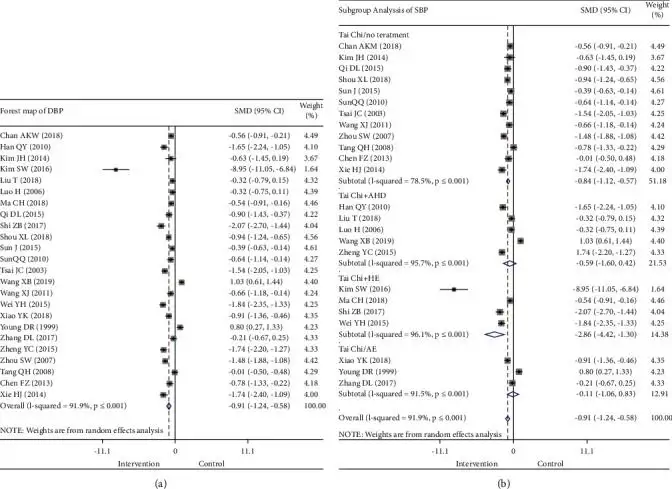
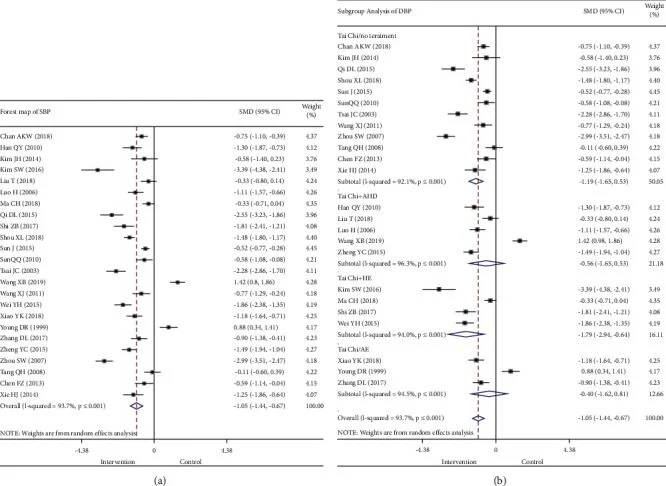
PubMed Central (PMC): A systematic review on Tai Chi as a therapy for reducing blood pressure was noted, though its specific findings are not detailed in the provided summary in relation to Baduanjin. https://pmc.ncbi.nlm.nih.gov/articles/PMC8437614/