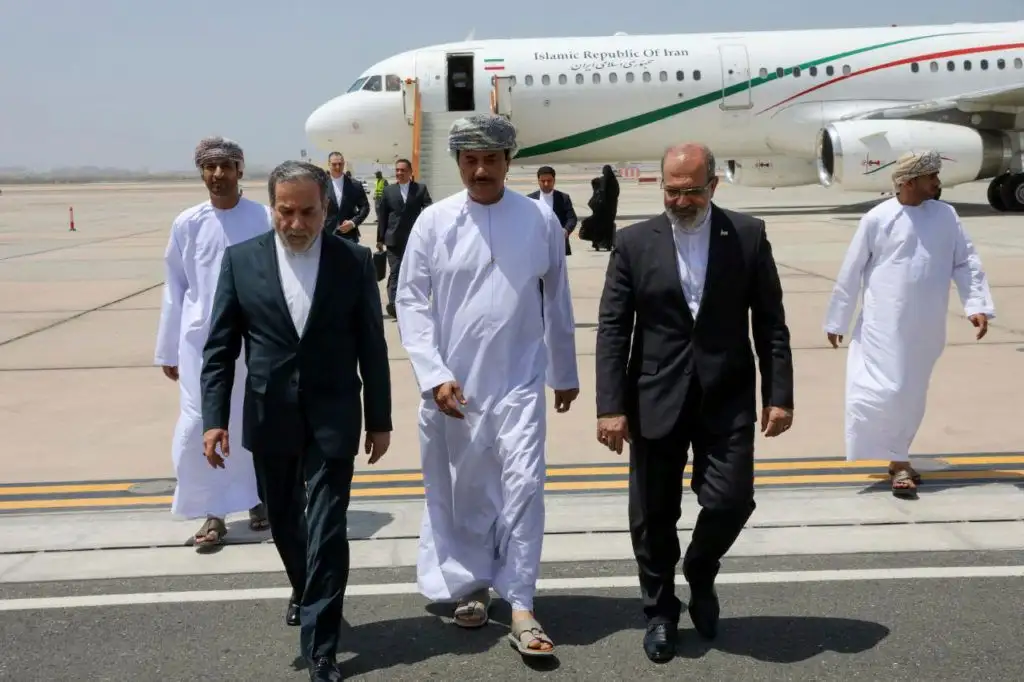
Rising tensions between the United States and Iran have entered a critical phase, marked by significant military deployments in the Middle East and concurrent, albeit fragile, diplomatic overtures. As the United States expands its military presence, Iran insists on its right to nuclear enrichment for civilian purposes, while regional allies urge restraint. The situation is further complicated by Iran's internal issues and a history of conflict, creating a complex and precarious environment.
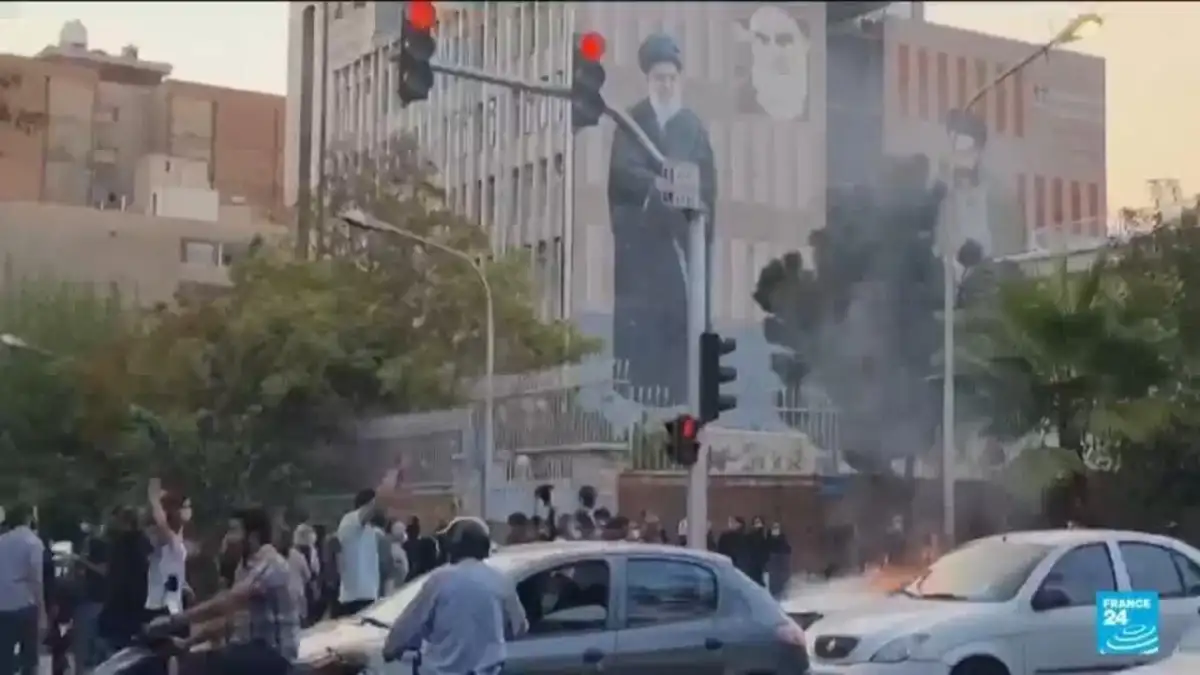
Historical Rivalry and Current Standoff
The relationship between the United States and Iran is defined by a long history of rivalry. Current events indicate a dramatic escalation in military posturing by the U.S. in the Middle East. This build-up, described as one of the largest since the 2003 Iraq invasion, involves the deployment of aircraft carriers and refueling planes. Concurrently, Iran has conducted exercises in the Strait of Hormuz. These actions occur against a backdrop of calls for restraint from Arab allies, who are attempting to mediate and avert a broader regional conflict.
Read More: Iran Zagros Mountain Nuclear Site Construction Update April 2026
The United States has positioned substantial military assets in the Middle East.
Iran maintains its stance on nuclear enrichment for peaceful purposes.
Regional powers are actively involved in de-escalation efforts.
Military Maneuvers and Diplomatic Overtures
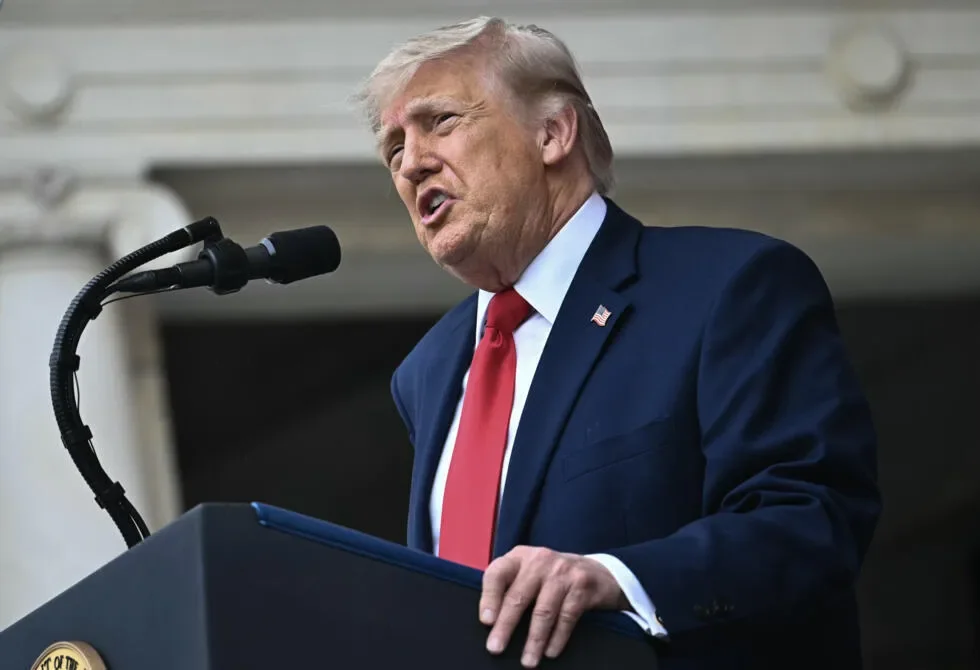
The U.S. has notably deployed a second aircraft carrier strike group to the region, a move accompanied by rhetoric from President Trump about a potential strike. This military expansion has coincided with statements signaling hope for a nuclear deal. Iran’s atomic energy chief, Mohammad Eslami, has asserted Iran’s right to nuclear enrichment, stating that no country can deny this. The strategic implications of these deployments are considerable, with military analysts observing a significant increase in U.S. military activity.

"The words of caution come as Trump has shifted his rationale for possible U.S. military action against Iran in recent days from a response to the deadly crackdown on nationwide protests to a deterrent of the country’s nuclear program." - Arab diplomat familiar with the matter, as reported by AP News
U.S. military presence in the Middle East has been significantly augmented.
Iran asserts its right to nuclear enrichment for civilian use.
Official statements suggest a dual approach of military pressure and diplomatic negotiation from the U.S.
The Nuclear Program: A Core Point of Contention
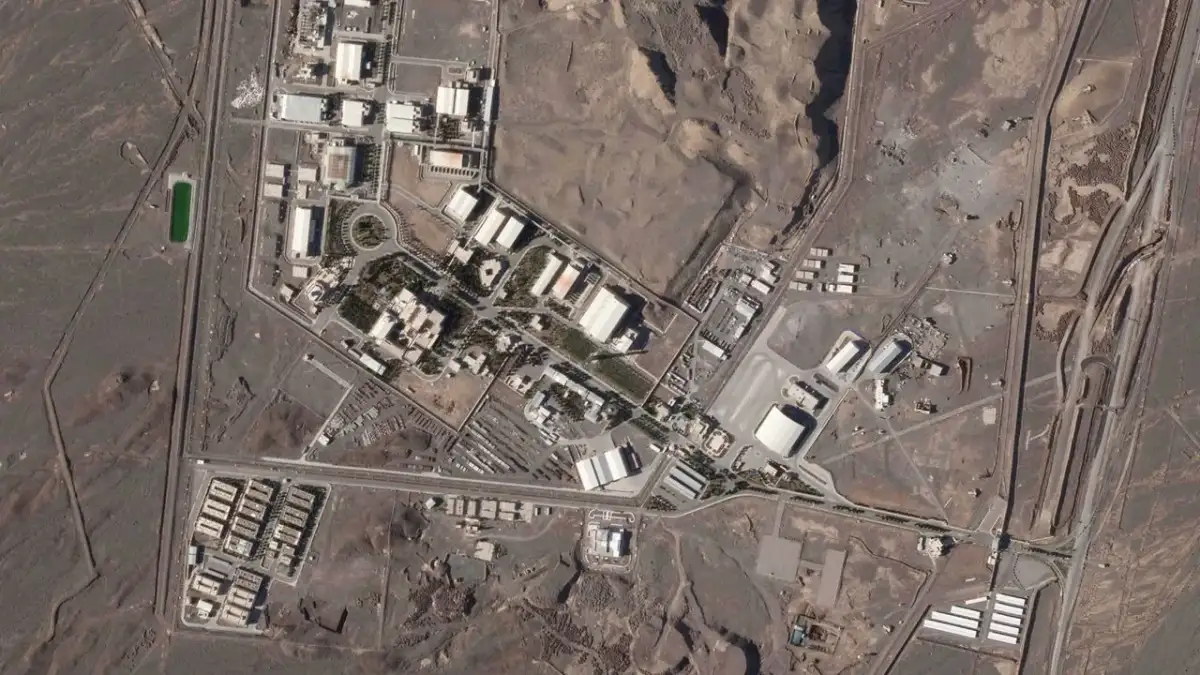
Iran's nuclear program remains a central issue. While the West expresses concern, Iran consistently maintains that its program is for peaceful, civilian purposes. The United States, under President Trump, has placed renewed emphasis on this issue, particularly following a 12-day war launched by Israel against Iran in June, which included U.S. bombing of Iranian nuclear sites. This conflict disrupted previous rounds of talks. Iran seeks to limit negotiations to its nuclear program, whereas the U.S. is pushing for concessions on ballistic missiles and proxy activities.
Read More: Iran Warns Gulf States After U.S. Naval Clash
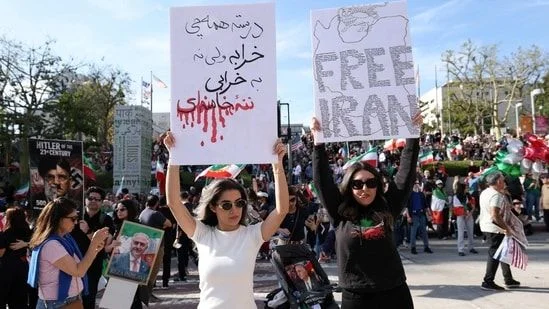
"Iran has insisted for decades that its nuclear program is peaceful. Iran has said it wants talks to focus solely on the nuclear program." - PBS NewsHour
The U.S. views Iran's nuclear program as a threat.
Iran insists on the peaceful nature of its nuclear activities.
Past conflicts have impacted the negotiation process.
Regional Concerns and Diplomatic Mediation
The escalating tensions have prompted calls for restraint from U.S. allies in the Middle East. These nations are working to prevent a wider regional conflict. Iran has warned that any U.S. attack could escalate into a regional war. The Strait of Hormuz has also seen incidents, with Iranian gunboats challenging a U.S.-flagged tanker shortly before planned negotiations. The efforts by regional powers to broker a meeting underscore the broader implications for stability in the Middle East.
Arab allies are urging both the U.S. and Iran to exercise restraint.
Iran has stated that a U.S. attack would lead to a regional conflict.
Key maritime chokepoints, like the Strait of Hormuz, have seen increased activity.
Negotiating Terms and Shifting Rationale
The U.S. administration has presented a series of demands, including that Tehran accept "no nuclear weapons." Vice President JD Vance has indicated that Tehran is not yet prepared to adhere to the Trump administration's "red lines." The rationale for potential U.S. military action has reportedly shifted, moving from a response to the crackdown on domestic protests to deterring Iran's nuclear program. This shifting focus highlights the complex dynamics influencing U.S. policy.
Read More: 40 Die in Quetta to Peshawar Bus Crash in Balochistan on April 3 2026
The U.S. objective is to prevent Iran from acquiring nuclear weapons.
There are indications that Iran may not fully accept U.S. demands.
The stated reasons for potential U.S. military action have evolved.
Expert Analysis
"Hakan Fidan tells FT that broadening talks to ballistic missiles would bring ‘nothing but another war.’" - Financial Times
This statement from Hakan Fidan suggests a perspective that expanding the scope of negotiations beyond the nuclear issue to include ballistic missiles could be counterproductive and potentially lead to further conflict, rather than a resolution.
"Secretary of state Marco Rubio tells Capitol Hill that ‘regime is probably weaker than it has ever been.’" - Financial Times
This assessment by Marco Rubio posits that the current Iranian regime is in a state of significant weakness, a viewpoint that could inform strategic decisions regarding engagement or pressure.
Conclusion
The situation between the United States and Iran is characterized by a delicate balance between heightened military readiness and ongoing diplomatic efforts. The U.S. military build-up in the Middle East, coupled with specific demands regarding Iran's nuclear program and regional influence, creates a tense atmosphere. Iran's insistence on its right to nuclear enrichment and warnings of regional escalation underscore the gravity of the situation. Regional actors are actively engaged in mediation, highlighting the broader implications for international security. The effectiveness of current diplomatic channels in navigating these complex issues remains to be seen, especially as the U.S. administration continues to weigh its options.
Read More: Russia Boosts Air Defense Against Ukraine Drone Attacks
Sources
Mint: US-Iran tensions Live Updates: Trump extends deadline for Iran nuclear deal to 10–15 days. Published 8 hours ago. https://www.livemint.com/news/world/us-iran-tensions-live-updates-trump-military-action-strike-f35-f22-deployment-middle-east-evacuation-poland-war-news-11771504609213.html
Al Jazeera: US-Iran talks updates: Tehran says understanding on main principles reached. Published Feb 17, 2026. https://www.aljazeera.com/news/liveblog/2026/2/17/us-iran-talks-set-to-begin-at-omans-embassy-in-switzerland
Financial Times: US-Iran tensions. Seen on Bing. https://www.ft.com/us-iran-tensions
PBS NewsHour: What to know as Iran and the U.S. weigh holding a second round of nuclear talks. Published Feb 11, 2026. https://www.pbs.org/newshour/world/what-to-know-as-iran-and-the-u-s-weigh-holding-a-second-round-of-nuclear-talks
France24: US-Iran tensions rise as Trump signals hope for nuclear deal. Published Feb 2, 2026. https://www.france24.com/en/us-iran-tensions-rise-as-trump-signals-hope-for-nuclear-deal
AP News: Arab allies urge restraint from US and Iran as Trump demands deal on nuclear program. Seen on Bing. https://apnews.com/article/trump-iran-united-states-protests-nuclear-5cac82fc0230b761361706cdd9b249d9
Indian Express: ‘If US attacks, it will turn into regional conflict’, warns Khamenei. Published Jan 31, 2026. https://www.indianexpress.com/article/world/us-news/iran-protests-united-states-live-updates-iran-open-to-talks-with-us-10504579/