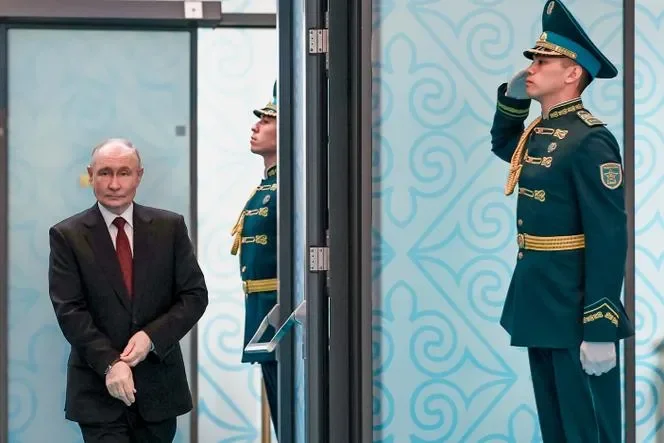
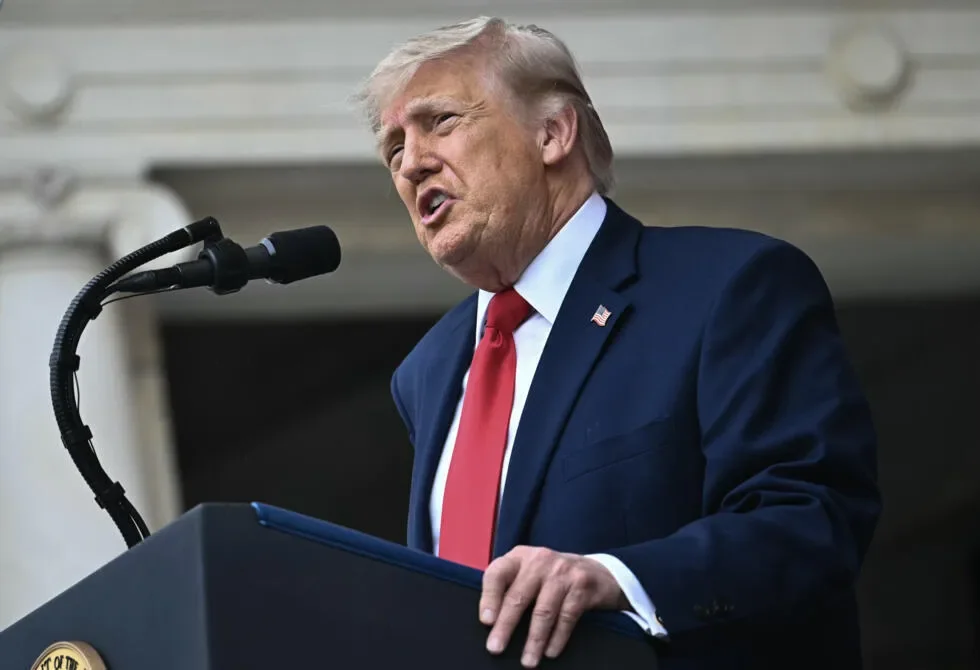
The air is thick with pronouncements and counter-pronouncements following President Donald Trump's declaration that India has agreed to cease its purchases of Russian oil. Trump, speaking after a supposed trade discussion, stated unequivocally, "He agreed to stop buying Russian Oil, and to buy much more from the United States and, potentially, Venezuela." This bold claim, presented as a major foreign policy and trade victory, suggests a significant shift in global energy dynamics and a potential blow to Russia's war chest. Yet, whispers from Moscow and a deeper look at India's strategic calculus paint a far more complex, and perhaps less definitive, picture. The question lingers: has a fundamental realignment occurred, or is this a case of assertive diplomacy meeting intricate geopolitical realities?
THE PUZZLE OF INDIA'S OIL PURCHASES: PAST, PRESENT, AND FUTURE
For years, India has navigated a delicate balancing act in its international relations, particularly concerning its energy needs and its historical ties with Russia. This recent announcement by Trump throws a spotlight on this intricate dance, raising immediate questions about its veracity and its implications.
Read More: Iran Warns Gulf States After U.S. Naval Clash

Deep Historical Ties with Russia: India and Russia share a long-standing relationship, historically rooted in defense cooperation and strategic alliances. This isn't a recent development; it's a legacy that shapes India's foreign policy decisions. Russia has been a consistent and reliable supplier of military hardware to India for decades.
Growing Energy Dependence on Russia: In recent times, Russia has become a crucial supplier of crude oil to India, especially after the onset of the Ukraine war. Russian oil, often offered at discounted prices, has been a vital component of India's energy security strategy.
Figure: Russian oil constitutes more than a third of India's total oil imports. (Source: CNN Business)
Comparison: India imports more oil from Russia than Venezuela produces. (Source: CNN Business)
US Pressure and Tariffs: The United States, under President Trump's administration, has actively sought to isolate Russia and reduce its global influence. This pressure has manifested in various forms, including sanctions and, critically, the imposition of significant tariffs on Indian goods.
August Last Year: The US imposed a 25% punitive tariff on Indian goods, in part, for its continued purchases of Russian oil. (Source: Indian Express)
Total Tariffs: With reciprocal tariffs, Indian goods faced a total of 50% tariffs from the US. (Source: Indian Express)
Trump's Recent Announcement: Trump claims to have secured a deal where India will stop buying Russian oil in exchange for the US reducing tariffs on Indian goods.
Tariff Reduction: The main tariff on India was reportedly to be cut from 25% to 18%, with the additional 25% penalty tariff removed. (Source: CNBC)
New Trade Framework: An interim trade agreement framework between the US and India was also released. (Source: The Financial Express)
THE KREMLIN'S RESPONSE: A DISTINCTLY DIFFERENT NARRATIVE
While President Trump painted a picture of decisive agreement, the Russian perspective offered a starkly contrasting narrative. The Kremlin's assertion that it has received no such communication from New Delhi casts a significant shadow of doubt over Trump's claims.
No Confirmation from Moscow: The Kremlin stated, "it has heard nothing from New Delhi to suggest those flows are stopping." (Source: CNBC) This directly contradicts Trump's confident pronouncement.
India's Strategic Autonomy: Experts suggest that India is unlikely to publicly sever ties with Russia, especially for strategic reasons. "Publicly rebuking Russia was always a 'nonstarter' for Modi," notes one analyst, emphasizing that Russia is a key defense partner. (Source: CNBC)
Economic Realities: The economic consequences for India of abruptly halting Russian oil imports are substantial. Moody's Ratings agency highlighted that India is unlikely to abandon Russian oil completely due to potential impacts such as increased manufacturing costs and higher consumer prices. (Source: CNBC)
This divergence in statements begs crucial questions:

What exactly was agreed upon in the alleged "deal"? Was there a misunderstanding, or a deliberate misrepresentation by one party?
Why would the Kremlin remain silent if such a significant agreement had been reached? Is this a sign of a breakdown in communication, or a strategic choice to await official confirmation from India?
How does India officially perceive this situation? Has Prime Minister Modi's government publicly or privately confirmed Trump's assertion?
THE TARRIFF WHIPLASH: A TOOL OF NEGOTIATION
The intricate interplay of tariffs and trade deals appears to be at the heart of this announcement. The US, under Trump, has frequently employed tariffs as a lever in international negotiations, and this situation is no exception.
Tariff Imposition: The US had imposed a 25% additional duty on imports from India, which was later expanded to a total of 50% with reciprocal tariffs. This was a direct response to India's continued oil purchases from Russia. (Source: Indian Express, USA Today)
Tariff Removal: Trump's executive order to remove the extra 25% tariff on Indian imports is directly linked to India's alleged agreement to halt Russian oil purchases. (Source: The Financial Express)
Tariff Reduction: The main tariff on India was reportedly set to be reduced from 25% to 18%. (Source: CNBC)
Timing of Removal: The tariffs were set to be withdrawn on or after February 7th. (Source: Indian Express)
This back-and-forth on tariffs raises further questions:

Was the tariff reduction the primary incentive for India, or was it a secondary outcome?
How sustainable is this tariff reduction if the underlying issue (Russian oil purchases) is not definitively resolved?
What are the long-term implications for US-India trade relations if such tariff manipulations become standard practice?
INDIA'S FOREIGN POLICY AUTONOMY: A TEST OF SOVEREIGNTY
India's foreign policy has long been characterized by its strategic autonomy, a principle that allows it to forge relationships and make decisions based on its national interests, rather than solely on the dictates of major powers. This alleged oil deal directly tests this principle.
Read More: Global Package Tracking Often Delayed Due to Data Gaps
"Symbolic Hedge" Argument: Analysts suggest that India values maintaining the "symbolic hedge" of being able to purchase Russian oil if necessary. This speaks to its ability to resist external pressure and assert its independent foreign policy. (Source: CNBC)
"Non-Starter" Public Rebuke: Publicly condemning Russia, a long-standing defense partner, is considered politically difficult for Prime Minister Modi's government. (Source: CNBC)
Deepening Relations with US: Despite historical ties with Russia, India has also been actively strengthening its strategic and economic relationship with the United States. This recent alleged agreement appears to be a move to balance these complex relationships.
This situation prompts critical questions about India's actual stance:

To what extent has India actually reduced its Russian oil imports, independent of any US pressure? Reports suggest an incremental reduction prior to this announcement. (Source: CNBC)
What constitutes "stopping purchases" in India's eyes? Is it a complete cessation, or a significant reduction to a level acceptable to the US?
How will India manage the internal political implications of any perceived capitulation to US demands, particularly regarding a key strategic partner like Russia?
EXPERT ANALYSIS: NAVIGATING GEOPOLITICAL CURRENTS
The pronouncements surrounding the India-Russia oil trade and US tariffs have drawn sharp reactions and analyses from foreign policy experts.
"India has deep historical and sentimental ties to Russia that it will not simply ditch under American pressure. Maintaining the symbolic hedge that it can purchase Russian oil if it so chooses speaks both to Indian foreign policy autonomy and to its ability to resist American coercion, both of which are important factors in India's domestic politics."- [Unnamed Expert, cited by CNBC]
"New Delhi would be reluctant to dump a trading partner with whom it has deepened relations in recent years."- Farwa Aamer, Director of South Asia Initiatives at the Asia Society Policy Institute [cited by CNBC]
These expert opinions underscore the inherent complexities and India's careful balancing act. They suggest that a definitive break from Russian oil, especially under external pressure, is fraught with political and strategic challenges for New Delhi.
THE UNCLEAR PATH FORWARD: UNRAVELING THE TRUTH
President Trump's announcement of India agreeing to stop buying Russian oil, coupled with a US tariff reduction, presents a seemingly clear-cut trade victory. However, the absence of confirmation from Moscow and the deeply ingrained strategic and economic ties between India and Russia cast a long shadow of doubt.
Key Questions Remain Unanswered:
Did Prime Minister Modi explicitly agree to a complete halt of Russian oil purchases?
What is the official confirmation from the Indian government on this matter?
How will Russia react if India indeed curtails its oil imports from Moscow?
What are the concrete terms of the "interim trade agreement" beyond the tariff adjustments?
Implications for Global Energy Markets: If India were to significantly reduce or halt its Russian oil imports, it could have a ripple effect on global energy prices and Russia's ability to fund its ongoing military operations.
Test of US Influence: The success of this alleged deal would signal a significant victory for US diplomatic and economic leverage. Conversely, its failure or partial implementation would highlight the limits of such pressure, especially on nations with robust independent foreign policies.
The coming days and weeks will be crucial in determining the true nature of this agreement. Until there is clear, unequivocal confirmation from all parties involved, particularly New Delhi, this remains a bold claim whose ultimate veracity and impact are yet to be fully understood. The geopolitical landscape is constantly shifting, and this situation is a potent reminder that beneath the surface of grand pronouncements lie intricate webs of national interests, historical relationships, and economic realities.
Read More: Russia Boosts Air Defense Against Ukraine Drone Attacks