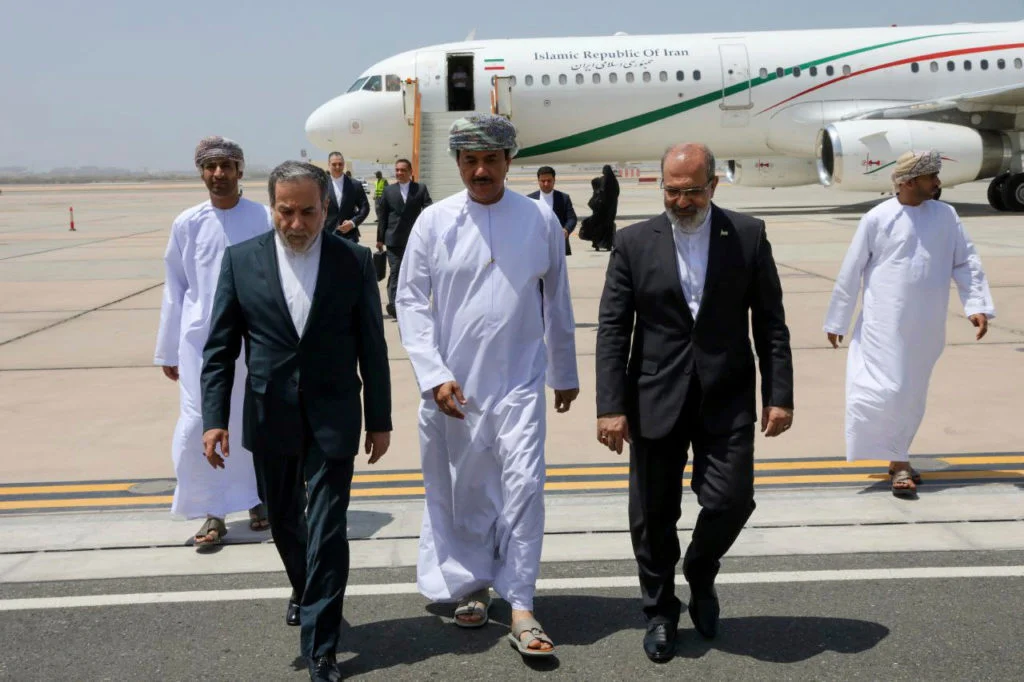
Recent reports indicate that the United Kingdom has expressed reservations about allowing the United States to use British military installations for potential strikes against Iran. This stance emerges as tensions in the Middle East escalate, with the US reportedly considering military action concerning Iran's nuclear program. The UK's position, particularly regarding the use of bases like Diego Garcia and RAF Fairford, appears to be a key point of discussion and potential leverage.
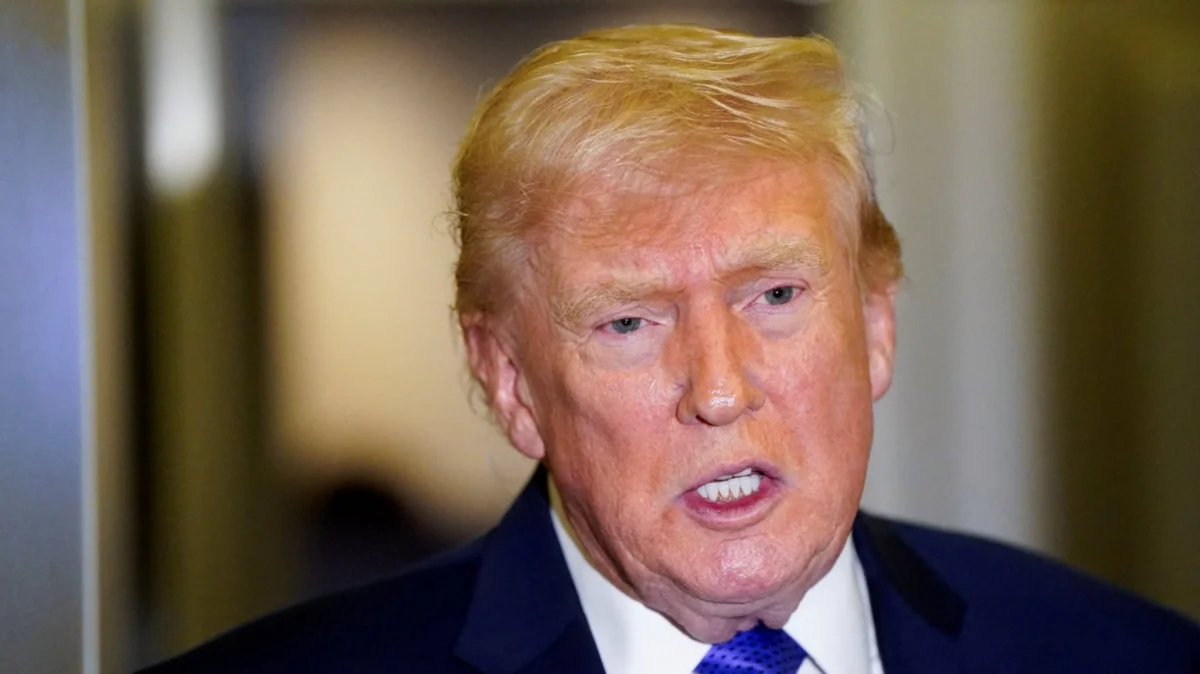
The situation involves complex geopolitical considerations, including the UK's desire to avoid direct involvement in a conflict that could expose it to retaliation. While the US has not publicly confirmed plans for strikes or the specific use of British bases, news outlets have reported on the US military's preparedness and potential reliance on these facilities.

Background of US-UK Military Cooperation and Iran Tensions
Discussions surrounding the potential use of British bases by the US for operations against Iran have become prominent in recent reporting. These discussions appear to be linked to broader geopolitical strategies and past instances of military action in the region.
Read More: US Military Buildup in Middle East Follows Iran Nuclear Talks in February 2026

US Military Preparedness: Reports suggest the US military has plans that may involve the use of British and American military bases, including Diego Garcia and RAF Fairford. These bases host heavy bombers and are strategically positioned to reach Iran.
Previous Strikes: The UK was aware of, but did not participate in, US strikes on Iranian nuclear facilities in the past. Ministers at the time declined to confirm the legality of these strikes.
Current Tensions: The US is reportedly deliberating over options concerning Iran's nuclear program, a situation that has led to heightened exchanges between Iran and Israel.
UK's Defensive Posture: The UK has deployed military assets, such as F-35 warplanes to Cyprus and Typhoon jets to Qatar, to bolster its own defenses in case of retaliation.
UK's Position on Base Usage
Evidence suggests the UK government has not granted permission for the US to use its military bases for potential strikes on Iran. This position seems to be driven by a desire to avoid direct entanglement in offensive operations.

Permission Required: While the US does not need consent to use Diego Garcia, it must seek permission from the UK government for the use of RAF bases.
Reluctance Signalled: Reports indicate the UK has "signalled reluctance" and "has not agreed" to let the US strike Iran from British bases.
Potential Legal Implications: British opposition figures have warned that allowing US operations from UK sovereign territory could make the UK a co-belligerent, exposing it to retaliation.
The Role of Sir Keir Starmer and Political Considerations
Sir Keir Starmer, a prominent opposition figure, has reportedly been central to the UK's current stance. His decisions are seen as influencing the US's approach, particularly in relation to a diplomatic deal concerning the Chagos Islands.
Starmer's Stance: Sir Keir Starmer has reportedly "blocked" Donald Trump from using RAF bases to strike Iran.
Chagos Deal Link: Government sources suggest the US president may have withdrawn support for a deal involving the Chagos Islands due to the UK's refusal to grant consent for US military operations from British bases.
Previous Inaction: The UK government has previously refused to support pre-emptive military strikes on Iran, mirroring its stance on previous US actions.
Strategic Bases: Diego Garcia and RAF Fairford
The potential use of specific British military bases, Diego Garcia and RAF Fairford, has been a focal point in discussions about US military options against Iran.
| Base | Location | Reported US Role | UK Requirement for Use |
|---|---|---|---|
| Diego Garcia | Indian Ocean | Hosts US fleet of heavy bombers; strategic positioning | US does not require UK consent. |
| RAF Fairford | Gloucestershire, UK | Hosts US fleet of heavy bombers | UK government must grant permission. |
Expert and Political Commentary on UK Involvement
Concerns have been raised by political figures and commentators regarding the implications of the UK's potential involvement in US military actions against Iran.
Avoiding Direct Involvement: The UK government's public focus has been on diplomacy, and it is not thought to be preparing to support a US offensive.
Legal Consequences: Independent MP Adnan Hussain stated that permitting US operations from UK sovereign territory could make the UK a co-belligerent, leading to retaliation.
Defensive Measures: The UK's deployment of fighter jets to Cyprus and Qatar is framed as a measure to bolster its own defenses, not as preparation for offensive action.
Conclusion and Future Implications
The UK's expressed reluctance to permit US strikes on Iran from its bases highlights a strategic decision to maintain distance from direct offensive operations. This position, seemingly influenced by political leadership and concerns over legal repercussions and potential retaliation, suggests a preference for diplomatic solutions.
Read More: Piers Morgan says Prince Andrew still in royal line of succession is 'preposterous' for UK monarchy
Uncertainty Remains: While reports indicate the UK has not given permission, the exact nature of US plans and the UK's ultimate decision remain subjects of ongoing scrutiny.
Geopolitical Leverage: The UK's stance on base usage may represent a significant point of leverage in broader diplomatic and security negotiations.
Focus on Diplomacy: The UK government's stated emphasis is on diplomatic efforts to resolve the crisis with Iran.
Sources:
Financial Times: Article provides general context on the UK signalling reluctance.
BBC News: Confirms UK has not given US permission for strikes from its bases.
Sky News: Reports that the UK has not agreed to US strike plans from its bases and details UK defensive deployments.
The Telegraph: Details Sir Keir Starmer's alleged blocking of US base usage and links it to the Chagos deal.
Middle East Eye: Highlights opposition figures' warnings about the dangers of UK involvement and legal ramifications.
i News: Discusses potential UK responses and logistical cooperation with the US.
The Conversation: Examines the implications of UK involvement and the feasibility of a US-only air campaign.