A group of four Chagossian people recently landed on a small island in the Chagos Archipelago. Their goal is to live there permanently. This move comes at a time when the United Kingdom (UK) is preparing to hand over control of these islands to the country of Mauritius. For decades, these islanders have lived in other countries after being forced to leave their homes in the 1960s and 1970s.
The group, led by Misley Mandarin, arrived on Ile du Coin. They state that their return is a peaceful act to reclaim their homeland. They also clarify that they do not intend to bother the military base on Diego Garcia, which is run by the UK and the United States (US). This act of moving back to the islands creates a new challenge for the legal agreement between the UK and Mauritius. While the two governments have reached a deal, the people who originally lived there say they were not part of the decision.
Read More: Iran Warns Gulf States After U.S. Naval Clash
History of the Islands and the People
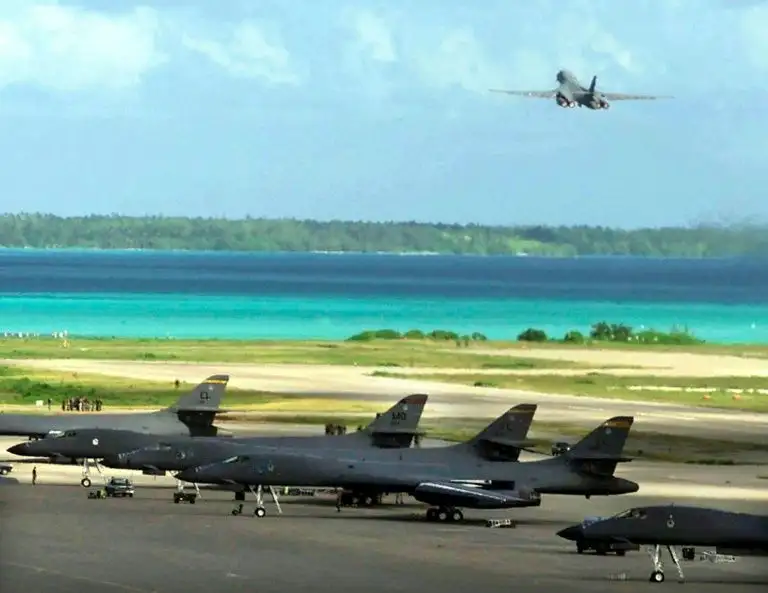
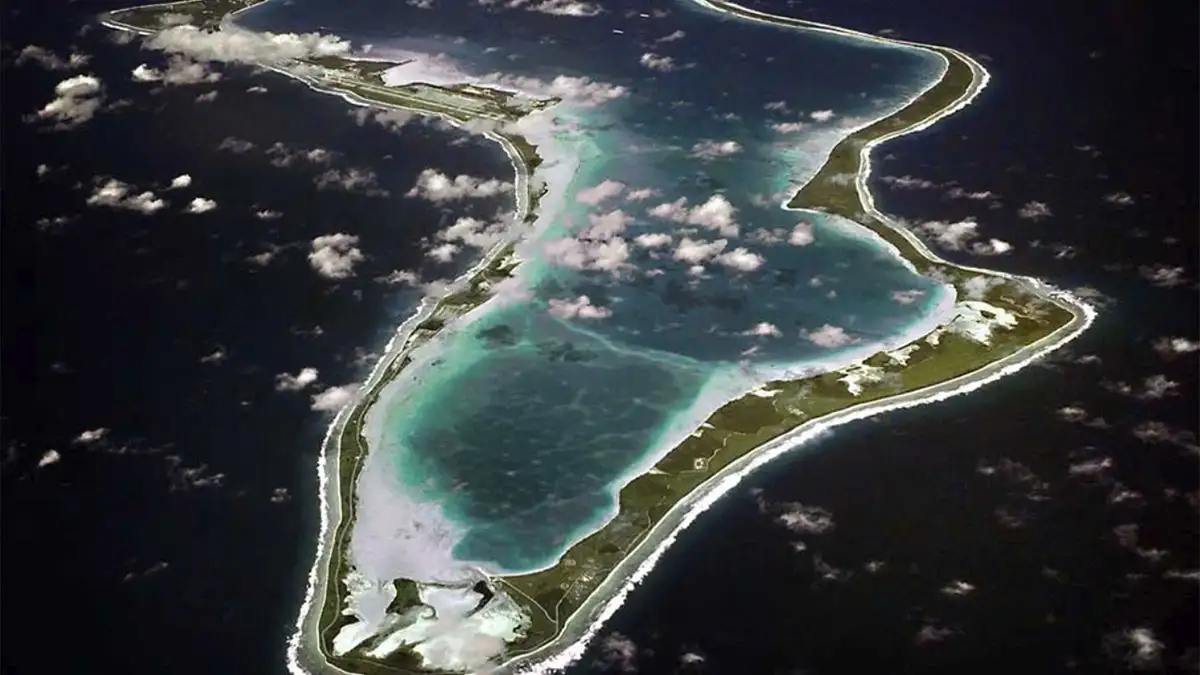
Between 1,500 and 2,000 people were forced to leave the Chagos Islands roughly 50 years ago. The UK did this to allow the US to build a large military base on Diego Garcia, the biggest island in the group.
1965: The UK took the Chagos Islands away from Mauritius before Mauritius became independent.
1968-1973: The UK moved all residents to Mauritius and the Seychelles.
2019: The International Court of Justice (ICJ) said the UK should give the islands back to Mauritius.
October 2024: The UK government announced a deal to transfer control of the islands to Mauritius.
The new agreement allows the US military base on Diego Garcia to stay under UK and US control for at least 99 years.

The Current Settlement Attempt
The four individuals who landed on the atoll are looking to establish a permanent home. They want to show that the islands belong to the people who were born there, not just to distant governments.
| Actor | Current Action/Position |
|---|---|
| Misley Mandarin | Leading a group of four to live on Ile du Coin; wants more islanders to join. |
| UK Government | Signed a deal to hand over the islands but keep the military base. |
| Mauritius | Set to take over control of the islands following the new treaty. |
| Chagossian Groups | Many feel left out of the deal and do not want to be part of Mauritius. |
"This is our homeland. We are not a threat to the military base. We just want to go home," stated Misley Mandarin during a communication regarding the landing.
Ownership and Identity
A major point of disagreement is whether the Chagossian people should be part of Mauritius. While the UK sees the transfer to Mauritius as "decolonization," many islanders do not agree. Bernadette Dugasse, who was born on the islands, has expressed that she does not want to be affiliated with Mauritius.
Read More: Man Dies After Setting Fire Outside UN in Protest
Does the transfer of control to Mauritius respect the rights of the islanders, or does it simply change who is in charge without asking the people? This remains a central question as some islanders fear they will never be allowed to live on their home islands under the new rules.
The Role of the Military Base
The military base on Diego Garcia is very important for the US and the UK. The deal between the UK and Mauritius was made specifically to protect this base. Even though the rest of the islands will go to Mauritius, the base will stay under British and American control for 99 years.

The base remains off-limits to the public.
Most Chagossians are originally from Diego Garcia, meaning they still cannot go back to their specific home village.
The 99-year lease ensures the military can keep using the island for a long time.
Expert Analysis of the Situation
Human rights groups and legal experts have looked closely at this deal. While the UN and the ICJ have supported the return of the islands to Mauritius, they also emphasize the rights of the displaced people.
Read More: Russia Boosts Air Defense Against Ukraine Drone Attacks
Expert Insights:
Legal Context: The UK initially ignored UN rulings, calling them "advisory." The decision to change course was likely due to international pressure.
Human Rights: Organizations like Human Rights Watch have previously called the removal of the islanders a "crime against humanity." Experts suggest that any deal that does not include the right for people to live on all the islands may not fully fix the past wrongs.
Diplomatic Impact: Analysts point out that by giving the islands to Mauritius, the UK ends a long fight with the African Union and the UN.
Summary of Findings
The landing of four Chagossians on the islands shows that the legal deal between the UK and Mauritius has not settled the human side of the problem. While the two countries have signed a paper to move control, the people who were forced out are still seeking a say in their future.
The group on Ile du Coin intends to stay and build a community.
Many islanders feel the UK and Mauritius ignored their wishes during the talks.
The US military base is protected by the deal, but the people who used to live there are still restricted from most of the land.
The next steps will likely involve how the UK and Mauritius respond to people physically living on the islands during this transition. It is unclear if they will be allowed to stay or if they will be moved again.
Sources and Context
Chagos Islanders Seek Permanent Return Amidst Sovereignty Dispute - Details the arrival of the four islanders led by Misley Mandarin.
Displaced Chagos islanders fear they will never go home after a UK-Mauritius deal - Focuses on the personal stories of islanders like Bernadette Dugasse and their distrust of the new deal.
Chagos Islands: UK’s last African colony returned to Mauritius - Provides the UN perspective and historical timeline of the displacement.
UK Returns Chagos Islands to Mauritius in Landmark Deal - Outlines the 99-year lease for the Diego Garcia base.
Why the return of the Chagos Islands has left Chagossians unhappy - Explains why islanders feel the deal does not address their needs.