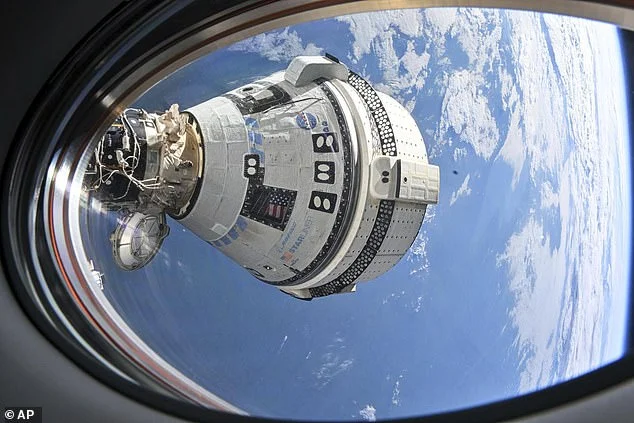
A recent NASA investigation has brought to light significant failures during Boeing's Starliner mission, which led to astronauts Butch Wilmore and Suni Williams being stranded in space for an extended period, far exceeding the mission's original duration. The report classifies the incident as a "Type A" mishap, the highest level of severity, and points to a chain of errors and flawed decisions that compromised crew safety and mission integrity. The findings draw parallels to past catastrophic space shuttle disasters, underscoring the gravity of the situation.
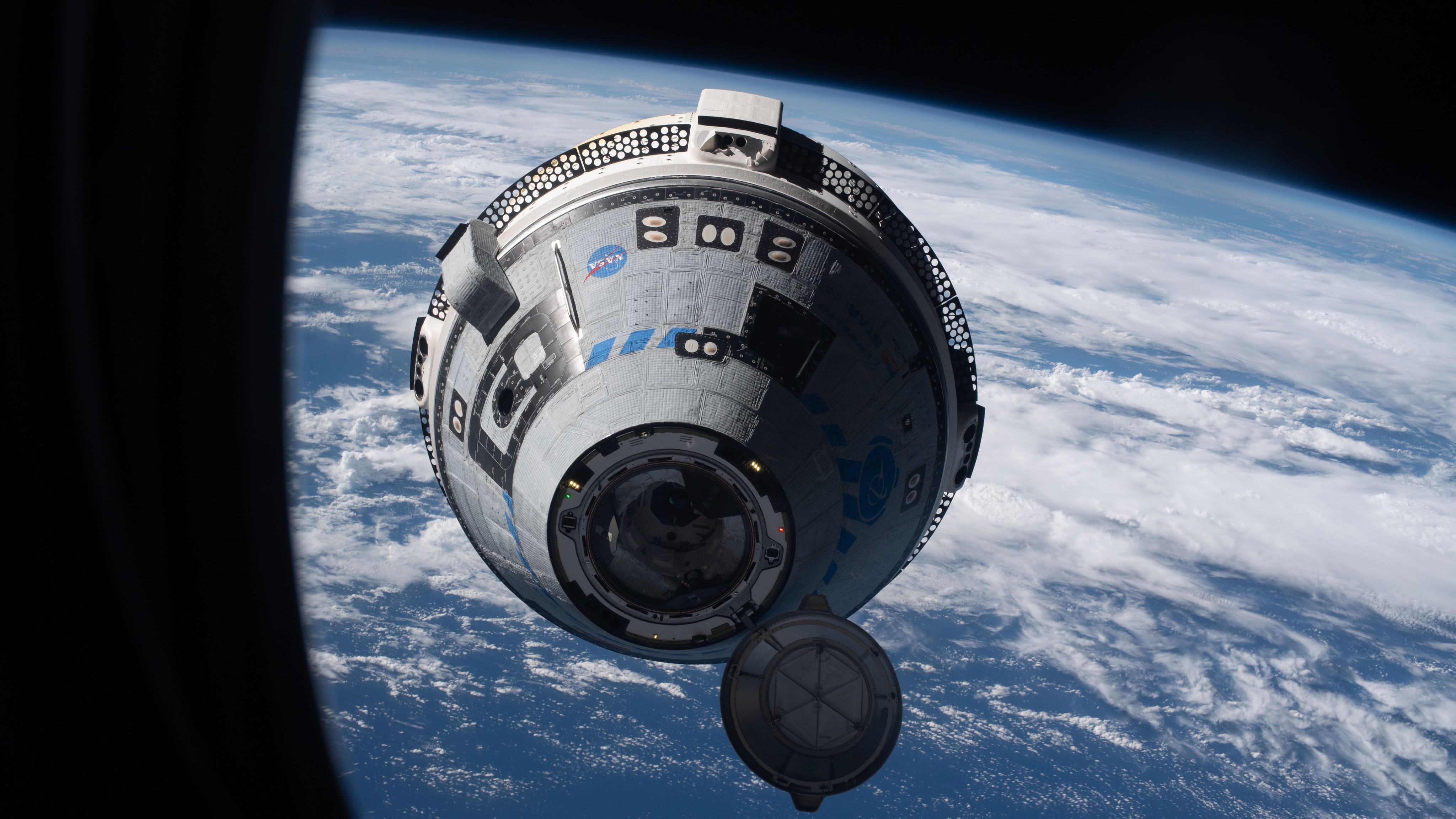
The mission's difficulties began during its planned docking with the International Space Station (ISS). Malfunctions in the Starliner's thrusters caused a loss of control over its motion and position in space. This critical event forced a significant extension of Wilmore and Williams' stay on the ISS, turning an intended eight- to 14-day mission into a nine-month ordeal. The astronauts eventually returned to Earth aboard a SpaceX capsule, a deviation from the original plan that highlighted the extent of the Starliner's problems.
Read More: NASA Calls Boeing Starliner 2024 Mission a Major Failure and Plans Management Changes
Mission Timeline and Key Events
The Boeing Starliner CST-100 was intended for its first crewed test flight under NASA's Commercial Crew Program.
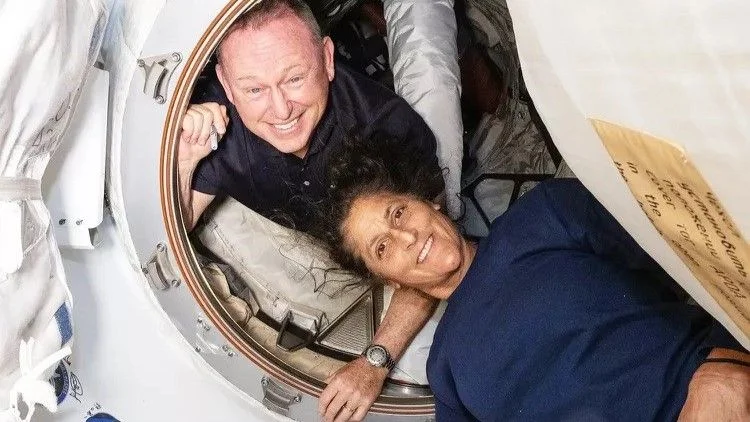
Launch: The mission, carrying astronauts Butch Wilmore and Suni Williams, launched with the expectation of an eight- to 14-day stay aboard the ISS.
Docking Malfunctions: During the approach to the ISS, Starliner's thrusters experienced malfunctions, leading to a loss of attitude control.
Extended Stay: Due to the issues, the spacecraft was deemed unsafe for return, stranding Wilmore and Williams on the ISS for approximately nine months.
Return: The astronauts ultimately returned to Earth via a SpaceX capsule.
Investigation and Report: NASA conducted an independent investigation, culminating in a report that detailed systemic failures.
NASA's Investigation Findings
The independent investigation concluded that a series of decisions and actions contributed to the Starliner mission's failures.
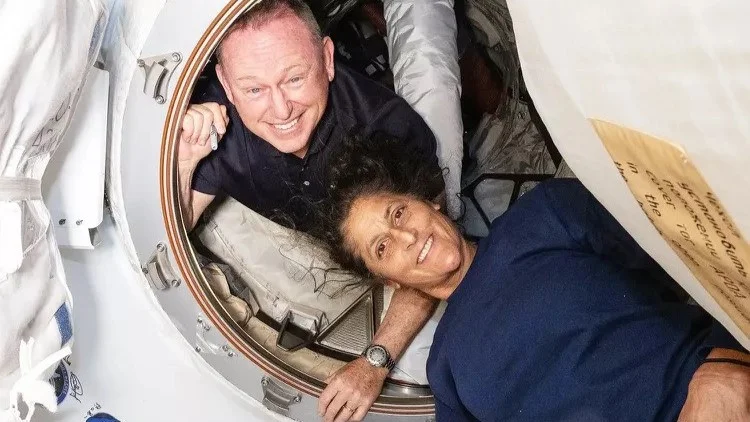
"Type A" Mishap: NASA officially designated the incident a "Type A" mishap, indicating a severe mission failure with significant safety implications. This classification is the most serious assigned by the agency.
Safety Culture Concerns: The report suggests that NASA's desire to maintain competition between two crew transportation systems may have influenced risk and operational decisions. Advocacy for the Starliner program, at times, seemed to overshadow safety priorities.
Unprofessional Conduct: Disagreements arose among officials regarding crew return options, which were described as unprofessional.
Delayed Mishap Declaration: Despite the severity and significant cost overruns, a formal mishap was not initially declared. Concerns about the program's reputation and the Commercial Crew Program's self-investigation contributed to this delay.
Inconsistent Decisions: The investigation found that the decisions made during the mission were inconsistent with NASA's established safety culture.
Accountability and Leadership
NASA Administrator Jared Isaacman addressed the report's findings, emphasizing that leadership accountability is paramount.
"There will be leadership accountability," Isaacman stated during a press conference.
He criticized both Boeing and NASA managers for the botched flight, noting that the Starliner should not have flown with a crew on board in its condition. Isaacman pointed to poor leadership and decision-making at Boeing as direct contributors to the mission's troubles. He also highlighted potential miscommunication and NASA's lax oversight of Boeing as contributing factors to the "life-threatening failures."
Isaacman assured that the institutional shortcomings identified in the Starliner incident do not extend to the parts of NASA responsible for ensuring safety in future missions, such as the Artemis moon program.
Read More: Alaska Airlines Safest US Airline in 2025, Hawaiian Airlines Second
Boeing's Starliner Program Challenges
The Starliner program has faced numerous delays and technical issues even before this crewed test flight. Boeing has been working to resolve these problems, but the recent mission's outcomes have intensified scrutiny on the spacecraft's readiness. NASA has committed to continuing to work with Boeing to address and fix Starliner's issues before any further crewed flights are approved.
Astronauts' Perspective
Despite the prolonged and unexpected stay in space, astronauts Butch Wilmore and Suni Williams have indicated a willingness to fly on the Starliner again if given the opportunity. Wilmore stated he was aware of the politically charged rhetoric surrounding their mission but never felt abandoned in orbit. While the mission was likely harder on their families, the astronauts remained engaged during their time on the ISS.
Key Actors: NASA, Boeing, Astronauts Butch Wilmore and Suni Williams, NASA Administrator Jared Isaacman.
Core Issue: Critical failures in Boeing's Starliner spacecraft led to astronauts being stranded in space for nine months, triggering a severe NASA mishap classification and highlighting systemic issues.
Sources Used:
Daily Mail: NASA exposes failures that stranded astronauts in space for 9 months
Summary: Reports on the "Type A" mishap classification, the influence of competition on decisions, unprofessional conduct, and the delayed mishap declaration due to reputational concerns.
Live Science: 'There will be leadership accountability': Bungled Boeing Starliner mission put stranded NASA crew at risk, report says
Summary: Quotes NASA Administrator Isaacman on leadership accountability and mentions the extended testing period while astronauts were stranded.
Scientific American: NASA declares Boeing’s botched Starliner flight a mishap on par with deadly space shuttle disasters
Summary: Details the thruster malfunction, loss of control, and NASA's commitment to working with Boeing, while also pointing to miscommunication and lax oversight.
CNN: NASA designates botched Boeing Starliner test flight a ‘Type A mishap’ in new report
Summary: Explains the "Type A" designation, Isaacman's critical comments, the comparison to shuttle disasters, and the astronauts' eventual return on a SpaceX capsule.
AP News: NASA boss blasts Boeing and space agency managers for Starliner's botched astronaut flight
Summary: Focuses on Administrator Isaacman's strong criticism of Boeing and NASA management, highlighting poor leadership and decision-making.
Livemint: Crew-9 mission: How a failed Boeing spacecraft kept NASA astronauts stuck for 9 months in space
Summary: Describes the mission as the first crewed test flight of Starliner under the Commercial Crew Program and notes the astronauts' nine-month stay due to the spacecraft's failure.
NBC News: NASA astronauts open up about being 'stuck' in space for 9 months
Summary: Includes statements from the astronauts expressing willingness to fly Starliner again and noting the impact on their families, while Wilmore felt no sense of abandonment.
CTV News: NASA astronauts Butch Wilmore and Suni Williams return to Earth after spending 9 months in space
Summary: Reports on the return of the astronauts after their extended nine-month mission aboard the ISS.