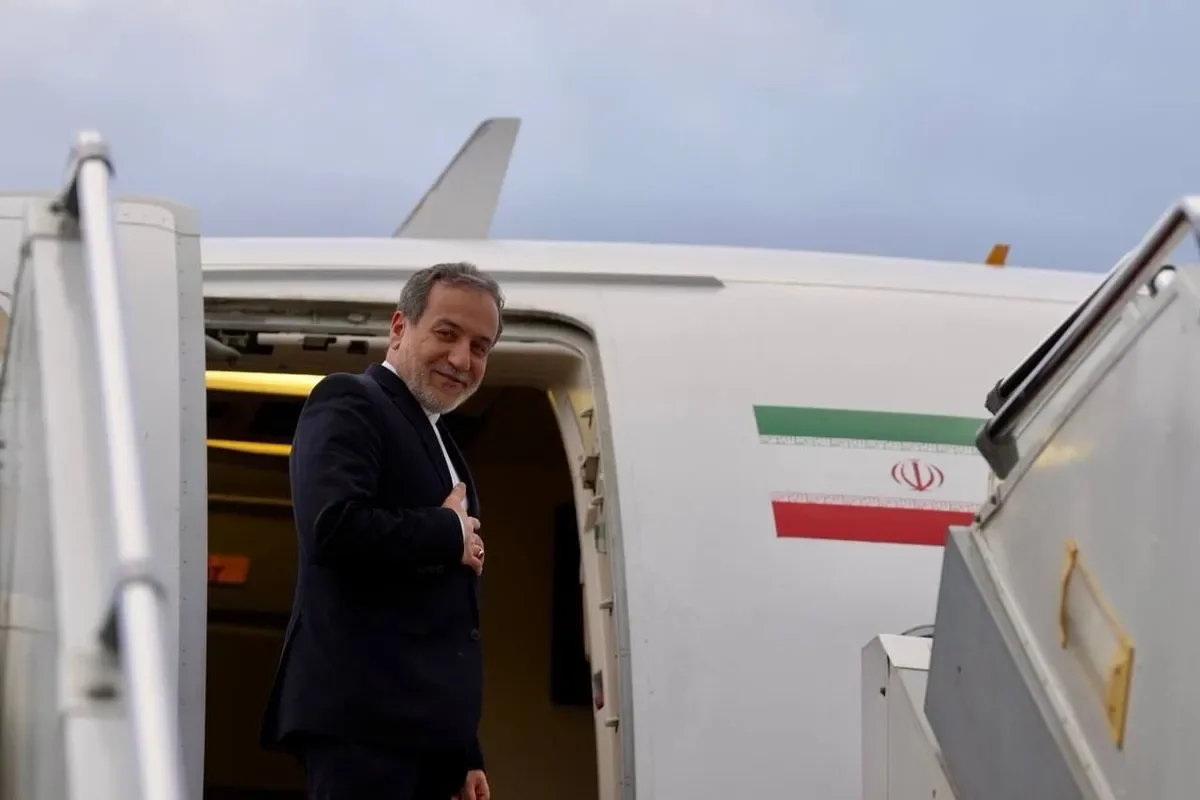
New Delhi appears to be navigating a complex geopolitical landscape, facing considerable pressure from the United States under Donald Trump's renewed administration, particularly concerning its economic and strategic alignments. The recent period has seen Washington employ a direct approach, including demands to halt Russian oil purchases in favor of more expensive US alternatives and threats of sanctions on trade with countries like Iran and members of the BRICS grouping. These actions have generated significant friction, with critics questioning India's strategic calculations and the perceived missteps in its relationship with America.
QUAD'S DIVERGENT PATHS ON CHINA
The Quad alliance, intended to counter China's growing influence, highlights a notable divergence in assertiveness. While Japan has taken a leading role in bolstering military presence and collaborating on advanced weaponry with the US, India has adopted a notably subdued stance. This low decibel approach within the Quad could become problematic should Trump's administration significantly escalate its focus on Beijing. The challenges posed by China span military, trade, technology, and infrastructure, necessitating a unified, collaborative effort that India's current posture seems to de-emphasize.
Read More: AFP Reviews War Crime Claims Against Australian in Gaza

ECONOMIC AND STRATEGIC TENSIONS
Trump's policy objectives appear geared towards aligning India's economic and foreign policy decisions with US interests, even if it means compromising India's economic stability and strategic autonomy. The looming threat of US tariffs and growing trade deficits add to India's economic vulnerability. This pressure extends to trade in agricultural markets, further complicating New Delhi's diplomatic maneuvering. Analysts point to a mismatch between India's global aspirations and its practical capacities, creating a narrower window for independent action.
FOREIGN POLICY TESTS AND DIPLOMATIC RECALIBRATIONS
India is reportedly facing a series of foreign policy tests, including its response to Trump's tariff rebukes, China's overtures, and Russia's energy offerings. The decision to engage in strategic dialogue with Beijing at this juncture has raised questions, especially when India has largely resisted US pressure regarding Russian oil purchases. Despite the cooling of personal trust that once characterized the relationship between Prime Minister Modi and Trump, common geopolitical and commercial interests are expected to provide a foundational stability to US-India ties, though the path ahead is described as potentially treacherous.
Read More: Why AI Market Growth Is Slowing Down As Of April 2026
BACKGROUND
Historically, the US-India relationship under Trump's first term was marked by what was perceived as a special connection. However, this perception has evidently waned, leading to anxieties and irritations within New Delhi regarding Washington's policies. The article "Why Trump’s fight with India could have global repercussions" touches upon the potential for such friction to impact the global standing of the US dollar, particularly if India continues its trade ties with Russia. Furthermore, infrastructure projects like the Chabahar port in Iran, which connect India to Central Asia and Afghanistan, have become entangled in these geopolitical pressures, forcing pragmatic, albeit temporary, reconsiderations of India's strategic connectivity plans.
Read More: Indus Waters Treaty remains suspended in India and Pakistan April 2026