As of April 7, 2026, the global automotive landscape is witnessing a distinct decoupling of electric vehicle (EV) adoption from fossil fuel price volatility. While earlier spikes in battery-electric vehicle (BEV) demand were largely reactive—driven by the conflict in Iran and subsequent petrol cost surges—recent data suggests the transition has reached a permanent structural baseline.
The transition to electric transport has moved from a crisis-response mechanism to a stable market trend, with major economies maintaining record sales figures despite recent moderations in global fuel costs.
Market Shifts and Data Points
Recent sales performance indicates that government incentives and expanded model availability are currently outweighing the influence of fuel prices:

| Market Region | Trend Observation | Key Catalyst |
|---|---|---|
| Australia | Surge in demand (June record) | Policy tax exemptions / Efficiency standards |
| European Union | Sustained high adoption | Local manufacturing / Energy security strategies |
| Global/Emerging | Price parity achieved | Competition from low-cost Chinese exports |
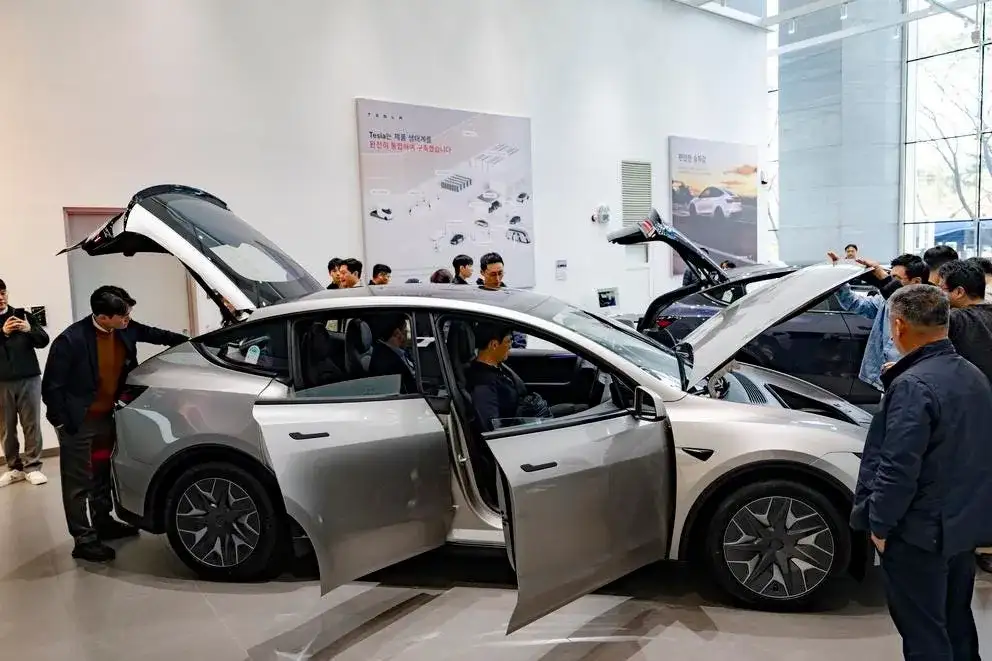
In Australia, companies like BYD and Tesla reported record deliveries in June, even as the local energy crisis showed signs of waning.
European manufacturers are consolidating their regional presence, with recent reports indicating that a majority of BEVs sold in the EU are domestically produced.
Emerging markets, including regions in Southeast Asia and Latin America, are seeing a rapid influx of affordable Chinese models, pressuring existing market pricing structures.
The Conflict Nexus
During the early months of 2026, particularly following the onset of the war in Iran in late February, consumer behavior was heavily influenced by the immediate "pain at the pump." Market analysis from April 2026 confirms a 51% surge in European EV sales during that period, as electricity costs remained decoupled from the extreme volatility affecting petroleum.
Read More: Tesla Model Y L 6-Seater US Launch Date and Price Details
While industry observers once argued that EV interest would fade alongside temporary oil price drops, current figures refute this. The integration of EVs into broader energy security strategies—particularly within the European bloc—has turned a temporary buying trend into a sustained policy priority.
Structural Underpinnings
The current acceleration is supported by several non-market forces:
Infrastructure Expansion: Public charging capacity has doubled globally over the past 24 months, addressing a primary barrier to consumer confidence.
Regulatory Frameworks: Social leasing schemes in nations like France are specifically targeting lower-income commuters to lower the entry threshold for battery-powered transport.
Supply Chain Maturity: Manufacturers have shifted from a "niche" focus to a "mainstream" distribution model, evidenced by record-breaking delivery speeds reported by distributors in mid-2026.
Despite the relative stabilization of fossil fuel prices as of early April 2026, the shift away from internal combustion engines appears entrenched by infrastructure investments and regional industrial policies that prioritize long-term, fixed-cost energy solutions over traditional commodity reliance.