Trade Imbalance Widens Despite Policy Shifts
In 2025, the United States experienced a record-high trade deficit in goods. This outcome occurred despite efforts and policy changes aimed at reducing such imbalances. The deficit reflects a situation where the value of goods imported into the country significantly exceeded the value of goods exported. This trend is a key indicator of the nation's trade performance and has implications for domestic production and economic reliance on foreign goods.

Key Developments and Data
The trade deficit in goods for 2025 reached an unprecedented level. While the overall trade deficit (encompassing both goods and services) saw a slight narrowing compared to the previous year, it remained the third-widest on record.
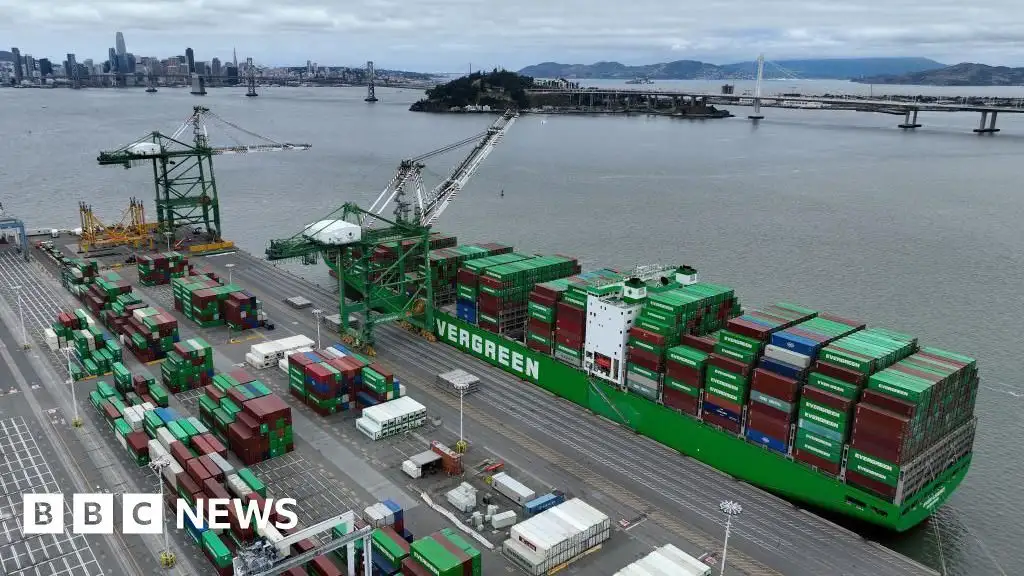
Goods Deficit: The gap between the value of imported and exported goods widened to a new record.
Overall Deficit: The total deficit, including services, narrowed marginally from $904 billion in 2024 to just over $901 billion in 2025.
Impact of Tariffs: Policies, including tariffs imposed by the Trump administration on China, appear to have influenced trade flows, but not necessarily to the extent of reducing the overall goods deficit.
Shifting Trade Partners: There was a notable shift in trade partners. The trade deficit with China decreased to its lowest point since the early 2000s. However, this reduction was offset by record-high deficits with countries such as Taiwan and Mexico. Other Asian exporters also saw an increase in trade diverted from China.
Import Trends: Imports of capital goods, including computer accessories and telecommunications equipment, saw an increase in 2025.
Policy Objectives: The widening deficit runs counter to stated White House aims to reduce reliance on overseas goods, which are seen as potentially impacting national security and domestic production capabilities.
Circumstantial Evidence on Trade Flow Changes
The data suggests a dynamic shift in where the US sources its imports.

Did the initial imposition of tariffs on goods from China lead US companies to seek alternative suppliers in other nations, such as Taiwan and Mexico?
Were increased imports of certain goods, like capital equipment, driven by anticipation of future tariffs, as suggested by a surge in imports in the early part of the year?
Trade Dynamics with Key Partners
The changes in trade balances with specific countries highlight a complex reallocation of trade.
Read More: Goldman Sachs predicts 15 million US jobs lost to AI by 2036

Shift from China
The trade deficit with China has fallen significantly, reaching its lowest point in decades. This is a direct consequence of escalating tariffs and trade policies implemented.
Trade flows have demonstrably moved away from China towards other Asian exporting nations.
Surges with Other Nations
Concurrently, record-high trade deficits were recorded with Taiwan and Mexico.
Other countries, including Vietnam, also saw increased trade gaps with the US.
This redirection indicates that while trade with one major partner decreased, the overall deficit was sustained, and in some cases exacerbated, by increased trade with other nations.
Expert Analysis
Analysis of the trade data points to a nuanced impact of policy interventions.
"The shift in trade flows with China came as Trump engaged in tit-for-tat tariff escalations with Beijing." (France24)
This indicates that policy actions, such as tariffs, are a direct factor in altering bilateral trade relationships.
"The gap runs counter to one of the White House's key aims which is to reduce the deficit, arguing that US reliance on overseas goods has hollowed out the country's production abilities and put national security at risk." (BBC News)
This observation underscores the conflict between trade policy objectives and actual trade outcomes. The record deficit in goods suggests that reducing this specific imbalance remains a challenge for the administration.
Conclusion and Implications
The year 2025 presented a challenging landscape for US trade policy. Despite concerted efforts, including tariff measures, the trade deficit in goods reached a record high. This indicates that while trade patterns have adjusted, with a notable reduction in trade with China, the overall imbalance persisted due to increased deficits with other trading partners. The observed increase in capital goods imports suggests a continued reliance on foreign production. The widening gap highlights the persistent challenge of rebalancing trade and its potential implications for domestic industry and economic strategy.
The record goods deficit for 2025.
The decline in the US trade deficit with China.
The rise in trade deficits with Taiwan, Mexico, and Vietnam.
The increased imports of capital goods.
The divergence between policy aims and trade deficit outcomes.
Sources:
france24.com: Reports on the US trade deficit in goods reaching a new record in 2025, noting shifts in trade with China, Taiwan, and Mexico, and linking changes to tariff escalations.https://www.france24.com/en/live-news/20260219-us-trade-deficit-in-goods-widens-to-new-record-in-2025
washingtonpost.com: Discusses the persistent high US trade deficit in 2025, despite tariff policies, and notes trade shifts away from China to other Asian exporters.https://www.washingtonpost.com/business/2026/02/19/tariffs-trade-deficit-2025/
bbc.com: Details the fresh high in the US trade deficit despite tariffs, highlighting a drop in trade with China and record gaps with Mexico, Vietnam, and Taiwan, while noting this counters White House aims.https://www.bbc.com/news/articles/c4ge4yxwnlno
apnews.com: Reports that the US trade deficit declined overall in 2025, but the gap for goods hit a record high, with trade diverted from China and earlier import surges ahead of taxes.https://apnews.com/article/trump-trade-deficit-tariffs-china-9eb6bd10ff635d63e46ee99d34ce1d05
tradingeconomics.com: Announces a surge in the US trade deficit to a record high.https://tradingeconomics.com/united-states/goods-trade-balance/news/456728