Key Takeaways
An Indian delegation, led by Darpan Jain, Joint Secretary in the Commerce Ministry and India's chief trade negotiator, will visit Washington next week to finalize the legal framework for an interim trade agreement with the United States.
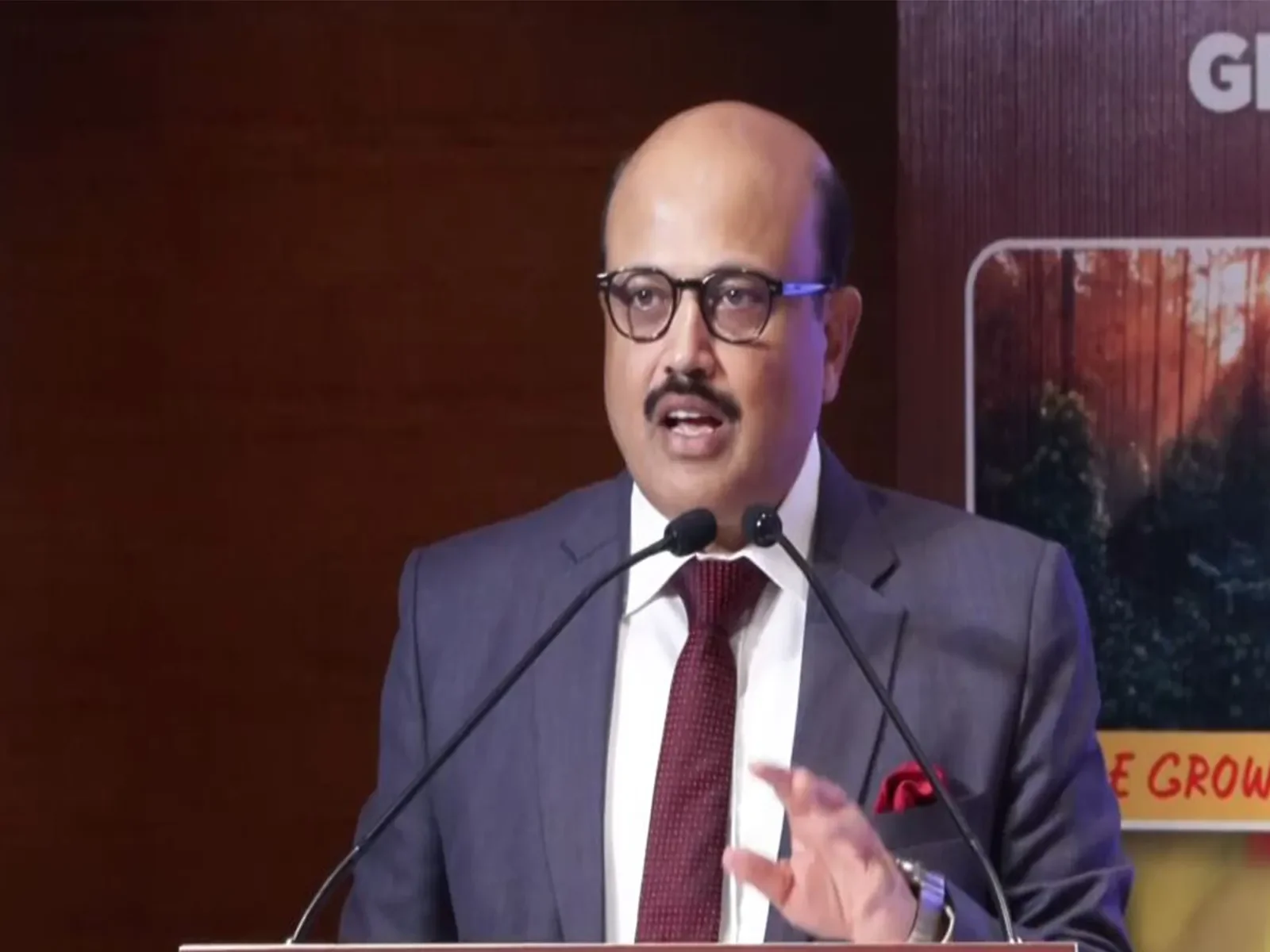
Rajesh Agrawal, India's Commerce Secretary, confirmed the upcoming visit, stating that virtual engagements have been ongoing, and this trip will focus on solidifying the legal aspects of the deal.
India anticipates the U.S. will reduce tariffs on Indian goods to approximately 18% soon, viewed as a confidence-building measure before the agreement is sealed.
The agreement is expected to be a significant step towards deepening economic ties and diversifying supply chains for both nations.
Key sectors anticipated to benefit include India's labor-intensive industries, while sensitive sectors in the U.S. are said to be protected.
Detailed Overview
Negotiations between India and the United States on a trade deal have advanced significantly, with the upcoming visit of an Indian delegation to Washington D.C. marking a crucial step towards finalizing its legal structure. This move signals a push to conclude an interim trade pact aimed at strengthening economic relations and adapting to global trade realignments.
Context and Timeline
Discussions between India and the U.S. on trade have spanned multiple rounds, taking place in both New Delhi and Washington. Recent months have seen an acceleration in these talks. Following preliminary agreements and virtual engagements, the focus is now shifting to the detailed legal aspects of the accord.
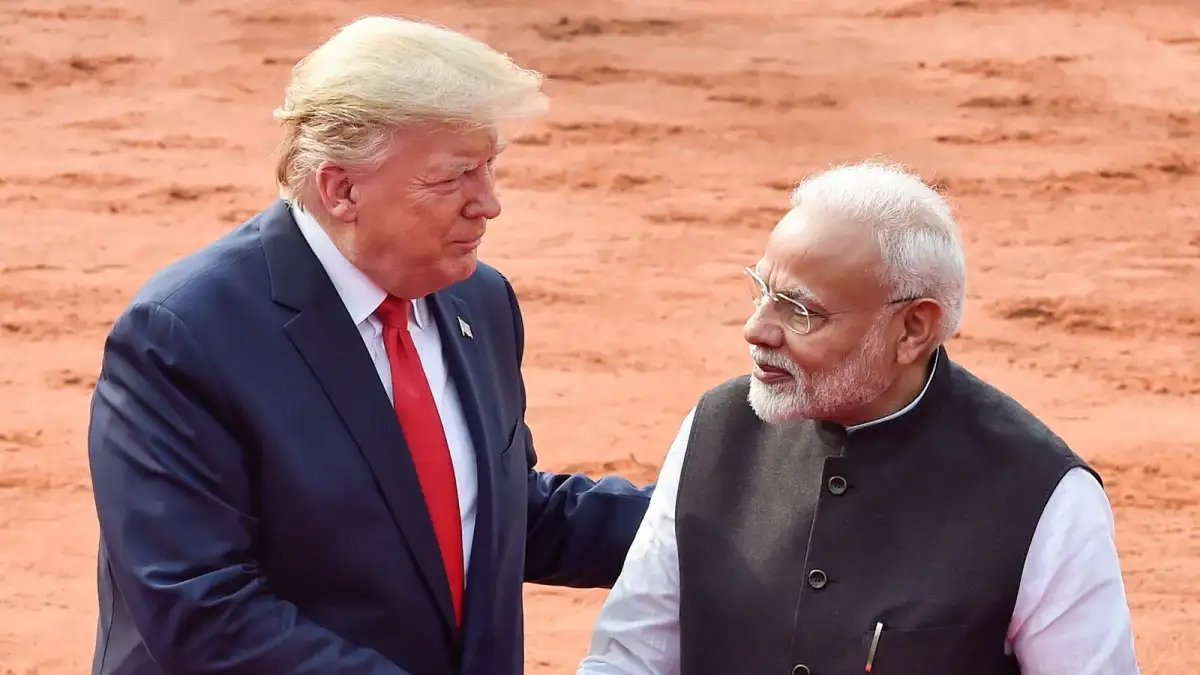
Upcoming Visit: The Indian delegation, led by Darpan Jain, is scheduled to travel to the U.S. next week.
Objective: The primary goal is to finalize the legal framework for the interim trade agreement.
Anticipated Tariff Reductions: India expects the U.S. to lower tariffs on its goods to around 18%, potentially this week.
Agreement Timeline: While the legal framework is being finalized, an interim pact is likely to be signed in March.
Evidence and Official Statements
Commerce Secretary Rajesh Agrawal has been the primary source of information regarding the upcoming visit and the status of the trade negotiations.
"There have been virtual engagements going on (with the U.S.) and next week, the chief negotiator will be leading a delegation to the U.S. to finalise the legal framework towards the legal agreement that work will carry on next week in Washington." - Rajesh Agrawal, Commerce Secretary (as reported by PTI).
Agrawal also indicated the expected tariff adjustments:
Read More: US May Add Tariffs on Australian Goods Due to Forced Labour

"New Delhi expects the U.S. to reduce tariffs on Indian goods to about 18% as early as this week." - Rajesh Agrawal (as reported by The Economic Times).
The potential benefits of the agreement were also highlighted:
"Since the U.S. has been a very strong market for India in the labor-intensive sectors, I think with this framework Interim Agreement, there will be an advantage back to our labor-intensive sector. In the U.S. also, all the key sensitive sectors have been protected." - Rajesh Agrawal (as reported by ANI News).
Key Areas of Focus
The finalization of the legal framework is expected to address several critical aspects of the trade relationship between India and the U.S.
Tariff Adjustments
A central element of the agreement involves tariff reductions. India anticipates a significant move by the U.S. to lower duties on Indian products.
Indian Expectation: Tariffs on Indian goods are expected to be reduced to approximately 18%.
Reciprocal Measures: While not explicitly detailed for the interim agreement, broader trade discussions often involve reciprocal tariff reductions. Previous reports have mentioned the possibility of Indian tariffs on U.S. goods potentially reaching 0% in exchange for U.S. concessions.
Significance: Such tariff adjustments are seen as crucial for boosting bilateral trade volumes.
Sectoral Benefits
The agreement is poised to impact various economic sectors in both countries, with a particular focus on industries where each nation holds a competitive advantage.

India's Labor-Intensive Sectors: These are expected to be primary beneficiaries, gaining increased access to the U.S. market.
U.S. Sensitive Sectors: Assurances have been given that sensitive industries within the U.S. will be protected under the terms of the agreement.
Diversification of Supply Chains: The pact aligns with broader global efforts to diversify supply chains, potentially enhancing resilience and efficiency.
Legal and Structural Framework
The upcoming delegation's task is to solidify the legal underpinnings of the agreement, ensuring clarity and enforceability.
Interim Agreement: The current focus is on an interim pact, suggesting that more comprehensive trade liberalization might follow.
Legal Text Finalization: This involves meticulous drafting and agreement on the precise wording of clauses governing trade practices, dispute resolution, and other relevant matters.
Bilateral Trade Agreement (BTA): This visit is a precursor to formally launching negotiations on a broader BTA, according to some reports.
Expert Analysis and Implications
While the immediate focus is on the finalization of the legal framework, the broader implications of the India-U.S. trade deal are significant for both economies and their positions in the global trade landscape.
Read More: US 250th Anniversary on July 7, 2026, sees 20% not celebrating
Economic Integration: The deal represents a tangible step towards deeper economic integration between two of the world's largest economies.
Geopolitical Context: In a period of shifting global trade dynamics, strengthening bilateral ties can be viewed as a strategic move for both nations.
Market Access: For India, improved access to the U.S. market, particularly for its labor-intensive exports, could translate into job creation and economic growth. For the U.S., it could mean greater access to Indian markets and a more diversified sourcing base.
Conclusion and Next Steps
The impending visit of the Indian delegation to Washington marks a pivotal moment in the India-U.S. trade relationship. The finalization of the legal framework for the interim trade agreement is expected to pave the way for a formal signing, potentially in March. This development underscores the commitment of both governments to enhancing economic cooperation and navigating the complexities of global trade.
The immediate next steps involve:
The successful conclusion of the legal framework finalization discussions in Washington.
The anticipated announcement of tariff reductions by the U.S. on Indian goods.
The formal signing of the interim trade agreement.
Subsequent steps towards a more comprehensive Bilateral Trade Agreement (BTA).
Sources
The Economic Times: India–U.S. Trade Deal nears finish line as chief negotiator set for Washington trip. https://economictimes.indiatimes.com/news/economy/foreign-trade/indiau-s-trade-deal-nears-finish-line-as-chief-negotiator-set-for-washington-trip/articleshow/128421002.cms
Livemint: India-US trade deal: Indian chief negotiator to visit United States next week to finalise legal framework for BTA deal. https://www.livemint.com/economy/indiaus-trade-deal-indian-chief-negotiator-to-visit-united-states-next-week-to-finalise-legal-framework-for-bta-deal-11771242364481.html
Firstpost: Indian delegation to visit US next week to finalise trade deal’s legal framework, says Commerce Secretary. https://www.firstpost.com/world/indian-delegation-to-visit-us-next-week-to-finalise-trade-deals-framework-says-commerce-secretary-13980424.html
Fortune India: Indian team to visit US next week to finalise legal text for interim trade pact: Commerce Secretary Agrawal. https://www.fortuneindia.com/business-news/indian-team-to-visit-us-next-week-to-finalise-legal-text-for-interim-trade-pact-commerce-secretary-agrawal/130439
newkerala.com: India-US Trade Deal Legal Framework Finalization Next Week. https://www.newkerala.com/news/a/indias-chief-negotiator-will-lead-delegation-us-finalise-333.htm
Hindustan Times: Indian delegation to visit Washington to finalise details of US trade agreement. https://www.hindustantimes.com/india-news/india-us-finalise-terms-for-trade-deal-delegation-to-visit-washington-for-first-round-of-talks-report-101745052647658.html
ANI News: India's Chief Negotiator will lead delegation to US to finalise trade deal legal framework next week in Washington. https://www.aninews.in/news/business/indias-chief-negotiator-will-lead-delegation-to-us-to-finalise-trade-deal-legal-framework-next-week-in-washington20260216173244/