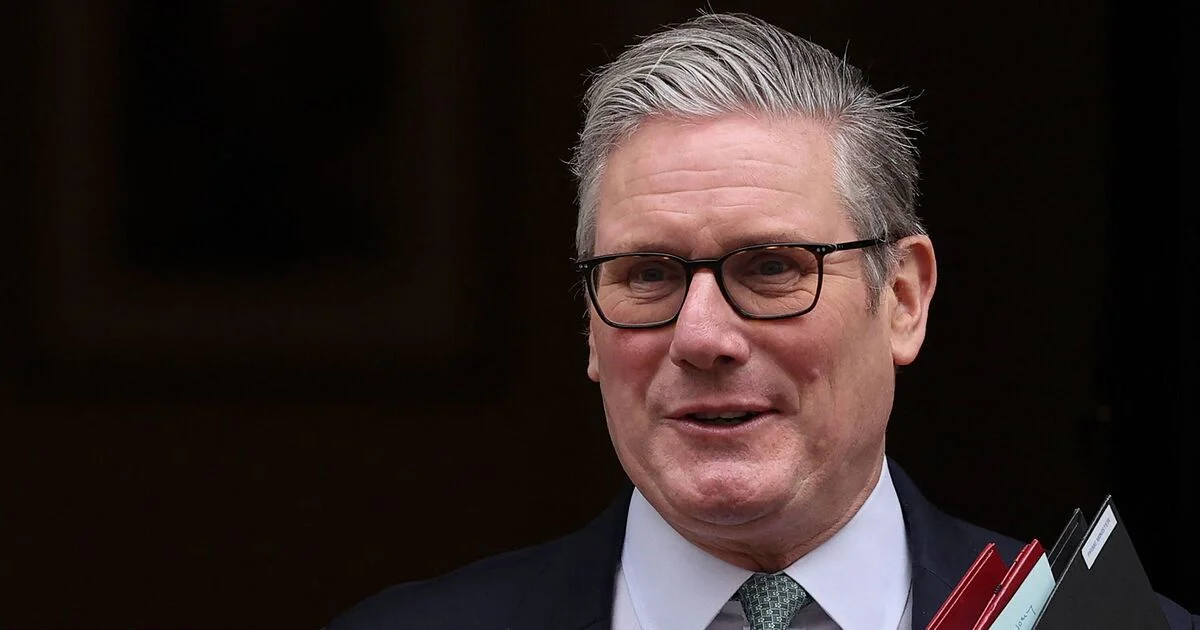
Sir Keir Starmer, the Prime Minister, has stated that the government will proceed with its promise to ensure younger workers receive the same minimum wage as older adults. This declaration comes as reports suggested the policy might be delayed due to worries about increased youth unemployment. While Starmer has presented a united front, public discourse and differing statements from his government colleagues have fueled questions about the timeline and certainty of this commitment.

Context
The Labour party's manifesto included a pledge to eliminate age-based differences in the minimum wage, a move intended to provide equal pay for all adults. However, recent news reports have indicated that this promise is under review. The core of the debate centers on the potential economic impact of raising the minimum wage for those aged 18 to 20, with some predicting that businesses might hesitate to hire younger, potentially less experienced workers if their wages increase to match older employees. This concern is amplified by current statistics showing a notable rate of unemployment among 18 to 24-year-olds.
Read More: Assam CM Faces FIRs for Communal and Insulting Remarks in August 2024 and February 2026

Public Statements and Initial Reports
Prime Minister Starmer's Stance: Sir Keir Starmer has publicly dismissed suggestions of a "U-turn" on the minimum wage policy. He has stated that the government will "keep to those commitments" made in the manifesto, specifically mentioning the promise to raise the living wage this April. He has confirmed that the plan to "remove the discriminatory age bands" and ensure "all adults are entitled to the same minimum wage" will be kept.
Reports of Review and Delay: Several news outlets have reported that the plan to equalize the minimum wage for young people is being reconsidered. These reports cite fears that a higher wage cost for younger workers could lead employers to hire fewer of them, potentially worsening youth unemployment.
Conflicting Signals Within Government
While Sir Keir Starmer has been firm in his public statements, other government figures have offered less direct confirmations, leading to varied interpretations.

Chancellor Rachel Reeves' Responses: Chancellor Rachel Reeves, when questioned about the plan, reportedly "dodged" the issue. Her statements have focused on existing incentives for hiring young people, such as the apprenticeship wage and National Insurance contributions for younger workers. She has also emphasized the government's determination to support young people through policies like increased apprenticeship opportunities.
Ministerial Assurances: In contrast to Reeves' evasiveness, Welsh Secretary Jo Stevens stated on BBC Radio 4 that there had been "no U-turn" on Labour's manifesto pledge. She acknowledged that criticisms of minimum wage increases are common but stated she does "not accept" that the minimum wage causes problems for employers.
Economic Concerns and Statistics
The debate over the minimum wage for young workers is closely tied to existing economic data and potential future outcomes.

Youth Unemployment Figures: Recent data indicates a significant rate of unemployment among young people. Figures released on a Tuesday showed that nearly one in six individuals aged 18 to 24 were unemployed. Statistics from July to September of the previous year indicated that almost 950,000 people aged 18 to 20 were not in employment, education, or training.
Employer Concerns: The primary concern raised by critics is that an increase in the minimum wage for younger workers could make them less attractive hires compared to older, more experienced candidates. This could lead businesses to reduce their recruitment of younger staff.
Current Wage Structure: The minimum wage for workers aged 18 to 20 currently stands at £10 per hour, with a scheduled increase to £10.85 in April.
Analysis of Statements and Potential Motivations
The differing public statements from government figures suggest a complex internal discussion regarding the minimum wage pledge.
Political Messaging: Sir Keir Starmer's direct affirmations aim to project an image of consistency and adherence to manifesto promises, particularly following other instances where his leadership has been described as making "U-turns."
Economic Prudence: Chancellor Reeves' cautious approach may reflect a concern for the economic implications of the policy. Her focus on existing support mechanisms could be an attempt to balance the pledge with business realities.
Differing Perspectives: The varied responses highlight potentially different viewpoints within the government regarding the balance between fulfilling electoral promises and managing potential economic fallout, such as increased youth unemployment.
Conclusion
Prime Minister Keir Starmer has publicly affirmed Labour's commitment to equalizing the minimum wage for younger workers, dismissing reports of a policy reversal. However, the indirect responses from Chancellor Rachel Reeves and the broader context of youth unemployment statistics have raised questions about the definitive timeline and implementation of this pledge. While assurances of maintaining the manifesto promise have been made, the exact timing of the equalization remains unclear, and concerns about its potential impact on youth employment persist. The government faces the task of reconciling these differing signals and addressing economic anxieties surrounding the policy.
Read More: US Trade Gap Drops Slightly in 2025 Due to Tariff Effects
Sources Used:
LBC: Starmer dismisses minimum wage U-turn as PM confirms wage 'will rise' for young people from April - https://www.lbc.co.uk/article/starmer-minimum-wage-u-turn-pm-confirms-wage-rise-5HjdSWt2/
Nation.Cymru: Labour will keep pledge to equalise minimum wage, Prime Minister vows - https://nation.cymru/news/labour-will-keep-pledge-to-equalise-minimum-wage-prime-minister-vows/
Daily Mail: Rachel Reeves dodges questions on whether Labour will backtrack on plans to boost minimum wage for young workers over 'jobless generation' fears - https://www.dailymail.co.uk/news/article-15569895/U-turn-15-Keir-Starmer-boost-minimum-wage-young-workers.html
Express: Keir Starmer could make another huge U-turn days after local elections climbdown - https://www.express.co.uk/news/politics/2172338/keir-starmer-uturn-minimum-wage
Sky News: Plans to raise minimum wage for young people could be delayed, Sky News understands - https://news.sky.com/story/plans-to-raise-minimum-wage-for-young-people-could-be-delayed-sky-news-understands-13509160
The Guardian: Keir Starmer has responded to the Robert Jenrick speech. Within Reform, no one agrees on anything. Badenoch Tories and Farage Tories - summary and analysis of Robert Jenrick's economy speech - https://www.theguardian.com/politics/live/2026/feb/18/keir-starmer-labour-youth-unemployment-minimum-wage-eluned-morgan-wales-robert-jenrick-reform-conservatives-kemi-badenoch-uk-politics-latest
GB News: Minimum wage U-turn looms as UK's youth unemployment crisis sparks 'scrapheap' fears for workers - https://www.gbnews.com/money/youth-unemployment-keir-starmer-rachel-reeves-minimum-wage

)