

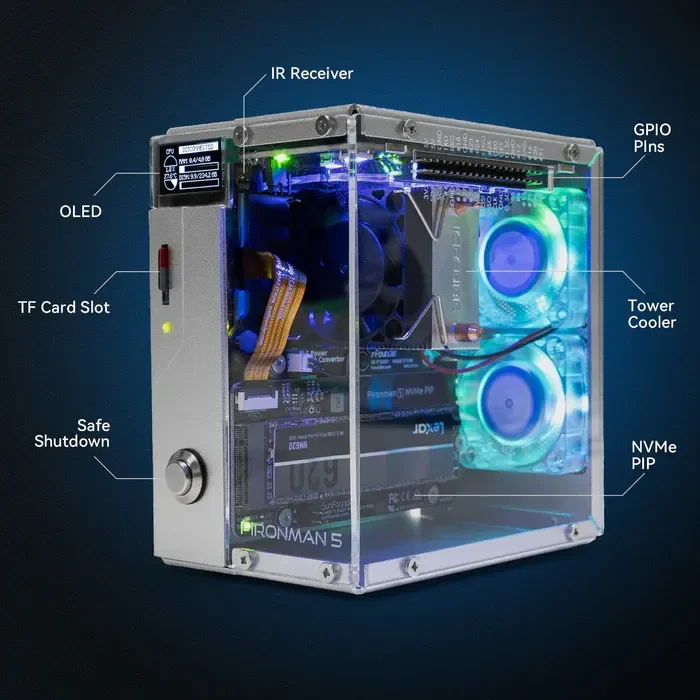
This report examines the variety of projects individuals can undertake with a Raspberry Pi computer over a weekend. The findings highlight that these projects span diverse applications, from home entertainment and network management to retro gaming and device control. The common thread is the Raspberry Pi's versatility as a small, affordable computing platform adaptable for numerous creative and practical uses.
Overview of Weekend Projects
Raspberry Pi projects offer a range of complexity and application, suitable for varying skill levels. Many can be completed within a weekend, providing a tangible outcome for hobbyists.
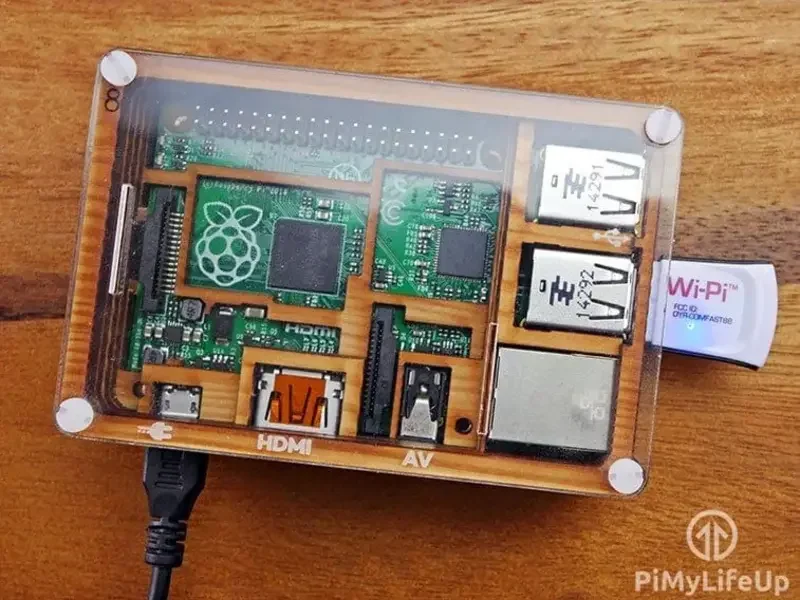
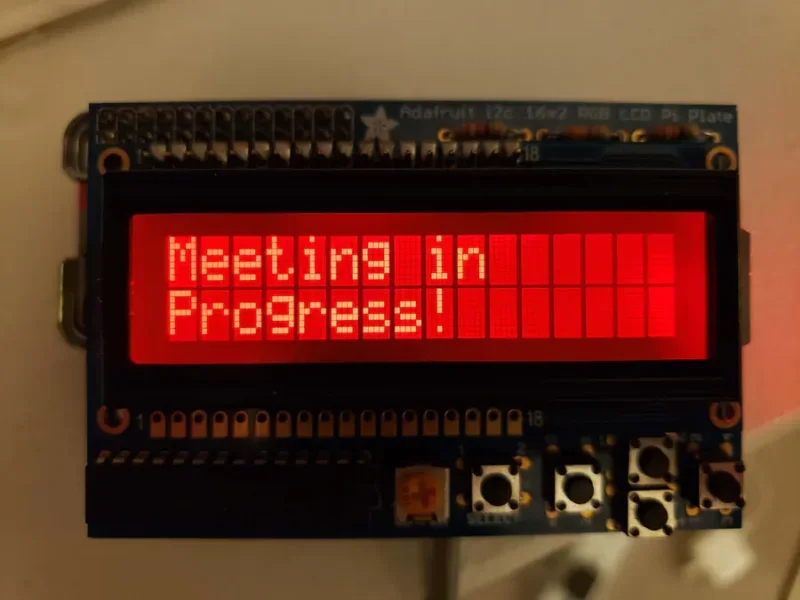
The versatility of the Raspberry Pi allows for the creation of everything from simple displays to complex automation systems.
Projects can involve setting up software, configuring hardware, or a combination of both.
Many projects are accessible to beginners, with ample resources available online.
Project Categories and Examples
The data points to several recurring themes in Raspberry Pi weekend projects:
Home Entertainment and Gaming
Several sources suggest transforming a Raspberry Pi into a media center or a retro gaming console.
Media Centers: Using free software like Kodi or OSMC, users can create a custom platform for enjoying movies and shows. This involves installing the software and potentially configuring a user interface.
Retro Gaming: Software such as RetroPie or Recalbox enables users to emulate classic video games. This typically requires installing the emulation software and loading game ROMs.
Network Management and Security
The Raspberry Pi is also presented as a tool for improving home network performance and security.
Read More: Bill Gates Cancels India AI Summit Speech After Epstein Document Release
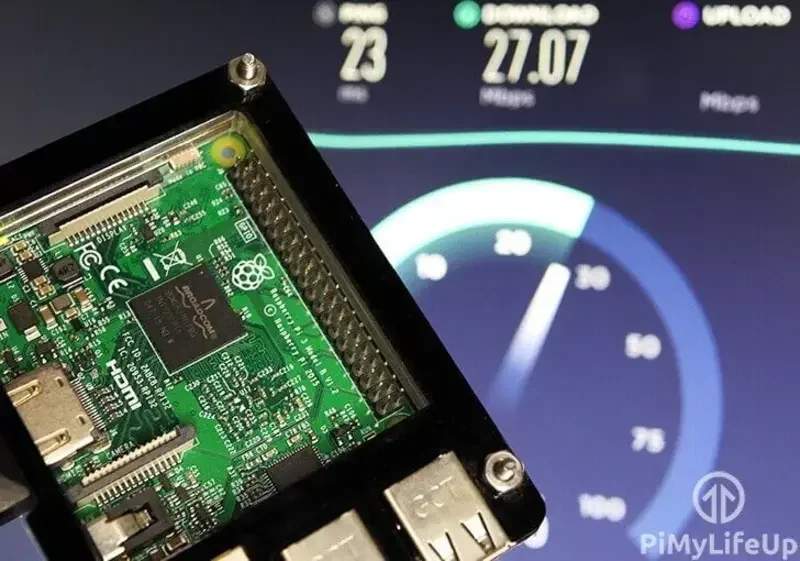
Ad Blocking: Setting up Pi-hole is a popular project. This involves installing the software on the Pi and configuring a home router to route DNS requests through it, effectively blocking advertisements across the network. The Pi-hole dashboard offers insights into blocked domains.
Self-Hosted Services: For more technically inclined users, hosting services like Bitwarden (a password manager) on a Raspberry Pi is a feasible weekend endeavor.
Automation and Custom Devices
Beyond entertainment and network tools, the Raspberry Pi serves as a core for automation and unique hardware projects.

Home Automation Hubs: The Pi can be a central point for managing smart home devices, with the potential to expand its capabilities over time.
Display Projects: Simple projects include using an 8x8 LED matrix to display information, offering a visual output.
Robotics: Projects involving the control of small robots, such as quadruped robots, demonstrate the Pi's application in more advanced hardware interactions.
Custom Builds: The Pi can be integrated into unique devices like a compact "cyberdeck" or even a DIY spectrometer, showcasing its adaptability.
Skill Level and Adaptability
While many projects are framed as weekend activities, some require more technical proficiency.
Projects like setting up a website or a Pi-hole are generally considered accessible.
More involved projects, such as running a UniFi OS Server or building a robot, may require a deeper understanding of software and hardware integration.
The flexibility of the Raspberry Pi extends to its use with similar single-board computers like Orange Pi and Khadas, indicating a broader ecosystem for these projects.
Expert Analysis and Community Resources
The prevalence of these projects is supported by a strong online community and readily available documentation.
"The Raspberry Pi's affordability and extensive community support make it an excellent platform for learning and building. From simple tasks like blocking ads to more complex projects like building robots, there's a project for almost everyone."
Resources from Raspberry Pi's official site and dedicated communities like Hackster.io provide guidance and inspiration.
The ease of finding detailed instructions for many projects suggests a well-established knowledge base.
Conclusion and Implications
Weekend Raspberry Pi projects offer accessible entry points into computing, electronics, and software development. The reported projects demonstrate a clear pathway for users to engage with technology by:
Creating custom entertainment systems.
Enhancing home network efficiency.
Developing basic automation tools.
Experimenting with hardware integrations.
The broad spectrum of applications, from media consumption to complex device control, underscores the Raspberry Pi's role as a highly adaptable and valuable tool for hobbyists and learners. Future exploration could focus on the specific time investment required for each project type and the common technical hurdles encountered by users.
Sources Used:
HowToGeek: This article details how to set up a website and build a retro gaming system using a Raspberry Pi, emphasizing achievable weekend projects. https://www.howtogeek.com/raspberry-pi-projects-to-try-this-weekend/
itsfoss: This source lists intermediate-level Raspberry Pi projects, including setting up a self-hosted Bitwarden instance, and notes compatibility with other single-board computers. https://itsfoss.com/raspberry-pi-projects/
xda-developers: This article outlines five Raspberry Pi projects that can be completed in a weekend, such as building game consoles, automating homes, transforming the Pi into a media center, and setting up a Pi-hole ad blocker. https://www.xda-developers.com/raspberry-pi-projects-can-complete-weekend/
pimylifeup.com: This website categorizes a large number of Raspberry Pi projects, with one example being running a UniFi OS Server. https://pimylifeup.com/category/projects/
etechnophiles.com: This article presents over 50 Raspberry Pi projects for various skill levels, including a Cutie Pie Tablet, an 8x8 LED matrix display, a micro quadruped robot, a compact cyberdeck, and a DIY spectrometer. https://www.etechnophiles.com/raspberry-pi-projects/


