:max_bytes(150000):strip_icc()/GettyImages-2264190629-804f8bc2bc2047188c4c1bf3b667c7db.jpg)
US CONSUMERS FACING SHARP INCREASES AT THE PUMP
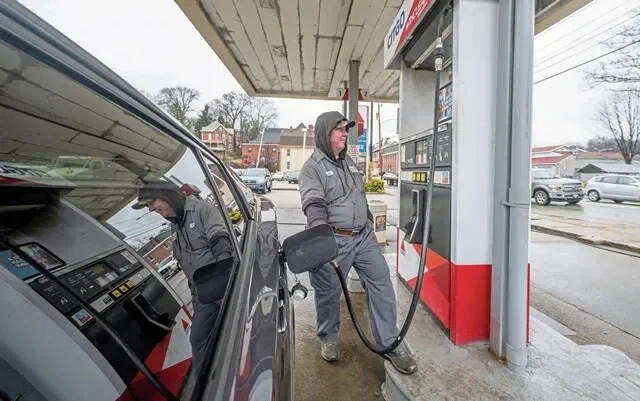
Gasoline prices have climbed sharply in recent days, with the national average up 26 cents per gallon in the past week. This surge follows a significant jump in global oil prices, attributed primarily to escalating conflict in the Middle East. Drivers across the United States are reporting higher costs, with some areas experiencing more pronounced price hikes. Diesel prices have also seen a substantial increase, rising by 40 cents over the same period.
The immediate cause of the spike is the perceived risk to global oil supply due to the widening conflict in the Middle East. This uncertainty, coupled with existing seasonal trends, is pushing up fuel costs. The situation is particularly acute in states like California, where prices are already considerably higher than the national average, and have surged overnight, hitting new highs.
SEASONAL SHIFTS AND SPECIALTY FUELS ADD TO THE MIX
Beyond the immediate geopolitical impact, several other factors are contributing to the rising costs. Refiners are in the process of switching over to more expensive 'summer blends' of fuel, a standard seasonal practice. In California, this is compounded by the requirement for a special, costlier fuel blend designed to combat smog. This particular blend can only be produced by a limited number of refineries, primarily within the state and in certain Asian countries, further restricting supply and inflating prices.
Read More: Middle East War Causes Fuel Panic Buying in Western Australia

The increase in fuel costs is anticipated to have broader economic implications. An extended conflict that disrupts oil supply could fuel overall inflation, potentially weighing on consumer spending and economic activity. Higher fuel expenses translate directly to increased costs for commuting, daily errands, and leisure travel, forcing consumers to adjust their budgets.

DRIVERS FEEL THE PINCH
The pain at the pump is a tangible reality for many Americans. Some drivers are already altering their habits, expressing concern about the rising expenses. While a few individuals may be financially insulated from minor price fluctuations, the widespread nature of the increase means a larger segment of the population is being affected. This has led to increased awareness and worry among the public about the future trajectory of gas prices, especially as the conflict shows signs of potentially lasting longer than initially expected.
Read More: Americans cut travel short due to money worries and safety fears in 2026

BACKGROUND
Global oil prices saw a significant jump at the beginning of the week, driven by fears that the ongoing conflict in the Middle East could impede the flow of crude oil. Historically, spikes in oil prices tend to be reflected at the gasoline pump within a couple of weeks. The current situation is playing out against a backdrop of pre-existing upward pressure on gas prices, due to the seasonal transition to summer fuel blends. The duration of the conflict remains a key variable, with projections ranging from a few weeks to a potentially much longer period, which could exert continued upward pressure on fuel costs.