Beijing has abruptly halted key fertiliser shipments to Australia, raising significant anxieties about the nation's capacity to produce food and the potential for climbing grocery prices. Australian farming representatives have been dispatched to China to lobby for the resumption of exports, particularly of urea and urea-ammonium nitrate (UAN), crucial components for crop cultivation.
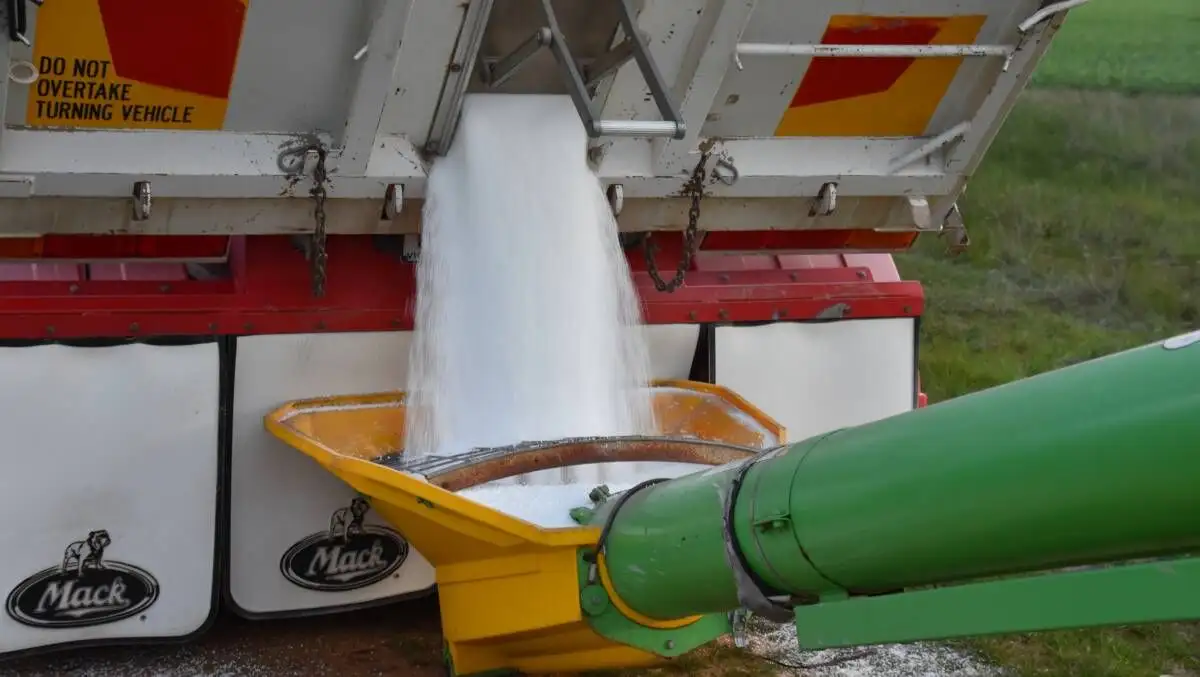
The abrupt pause in shipments, which began in March, has been officially attributed by Beijing to measures designed to safeguard its domestic market and food supply. This move by China, a major global supplier of fertilisers, creates a precarious situation for Australia, which leans heavily on imported inputs for its agricultural sector.
More than 60 per cent of the urea blends used in Australia pass through Chinese trade routes, according to Fertilizer Australia. This highlights a deep-seated reliance that is now being acutely felt. Industry bodies are actively seeking alternative sources, both from other manufacturing regions and by sourcing different nitrogen-based products for farmers, a complex and potentially costly undertaking.
Read More: New Wheat Makes Bigger Starch for Food and Industry
Vulnerability Exposed
The disruption echoes broader concerns about Australia's exposure to global supply shocks. An earlier report from the Organisation for Economic Co-operation and Development (OECD) flagged Australia as particularly susceptible due to its near-total dependence on imported fertiliser. This vulnerability could translate into reduced farm output and escalated food costs, a scenario not entirely unfamiliar in the wake of disruptions seen during the COVID-19 pandemic.
"Fears for Australia's food supply after China freezes vital fertiliser shipments - as special envoy is sent to Beijing." - Initial reports frame the gravity of the situation.
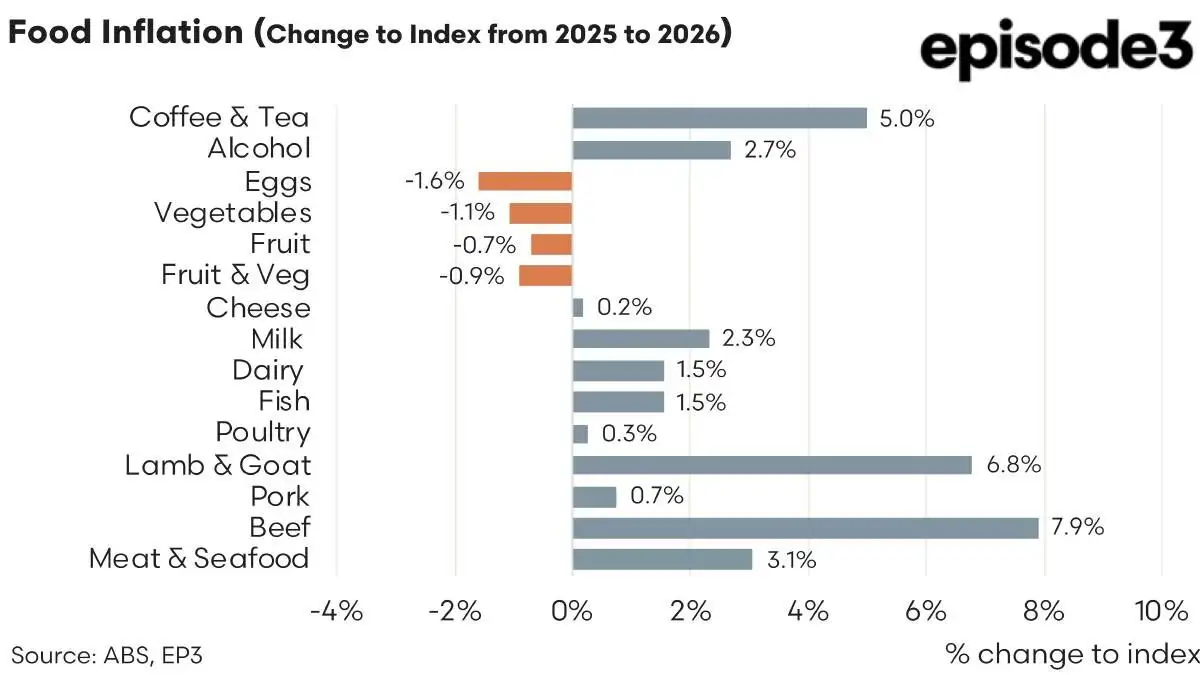
Analysts have noted that the impact on food prices is not uniform. While some sectors like red meat appear more structurally stable, fresh produce is highly responsive to seasonal variations. This creates a fragmented price landscape for consumers. The ripple effect of increased shipping costs, stemming from the wider global price shock, is also expected to be passed on to Australian buyers.
Global Context
China's position as a dominant player in global exports extends beyond fertilisers. The country ranks as the world's second-largest fertiliser exporter, surpassed only by Russia. Its influence also extends to fuel markets, where it is a significant supplier of jet fuel. Australia, for instance, relies on China for approximately one-third of its jet fuel needs. This broad export control strategy by Beijing has implications that stretch across various critical sectors for importing nations.
Read More: Australia-US Trade Dispute: New Tariffs Cause Friction
Fertiliser Imports: Australia's reliance on imported fertiliser is almost absolute.
Chinese Dominance: China serves as a critical node in the supply chain for over 60% of Australia's urea blends.
Global Player: China is a leading global exporter of both fertilisers and fuels.
Background
The sudden freezing of fertiliser shipments from China presents a stark illustration of the complexities inherent in globalised supply chains. Australia's agricultural sector, a cornerstone of its economy and food security, has been identified as particularly exposed to such international dependencies. The decision by Beijing to prioritise its domestic market underscores the geopolitical undercurrents that can shape trade flows, even for essential commodities like fertilisers. Industry groups are now navigating a landscape of uncertainty, seeking to mitigate immediate impacts while advocating for long-term strategies to enhance supply chain resilience.