The global market for plant-based Active Pharmaceutical Ingredients (APIs) is poised for significant expansion, with projections for its value fluctuating dramatically across various analyses. While one report suggests a reach of USD 7.8 billion by 2036, another, from a different source, forecasts a colossal USD 67.39 billion by 2035. These disparate figures highlight a complex and evolving landscape for these naturally sourced compounds.
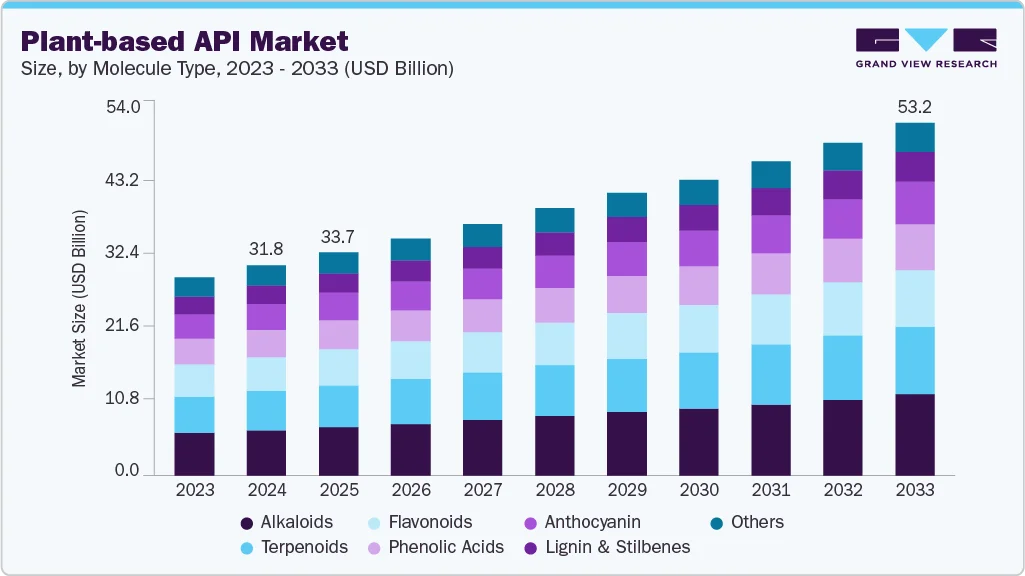
The core of this market's growth appears rooted in a surging demand for natural and plant-based alternatives within the pharmaceutical and healthcare sectors. This trend is particularly evident in the nutraceuticals segment, identified as the fastest-growing area within the plant-based API market, with terpenoids also showing notable expansion. Pharmaceutical formulations, encompassing treatments for chronic conditions like arthritis, hypertension, and diabetes, are a key application, alongside broader use in biotech and nutraceutical development.
Read More: US Grey Market Peptide Use Rises, Doctors Warn of Unknown Risks
Market Drivers and Dynamics
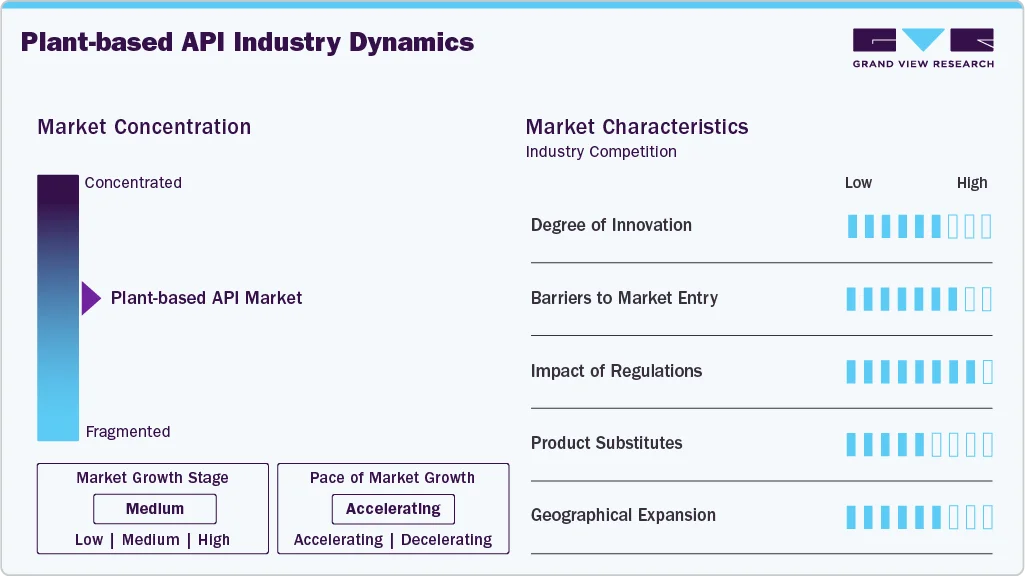
A confluence of factors appears to be propelling the plant-based API market forward. A central theme is the increasing consumer preference for 'natural' products, a sentiment extending into health and wellness. Furthermore, the inherent drive towards 'environmental sustainability' is increasingly shaping business decisions within this sector.
Key players identified in this burgeoning market include Roquette Frères and BASF SE, whose contributions are bolstered by advanced extraction technologies and robust manufacturing capabilities. Other significant entities operating within the broader API space, including plant-based components, are noted as Biocon Limited.
Production and Segmentation
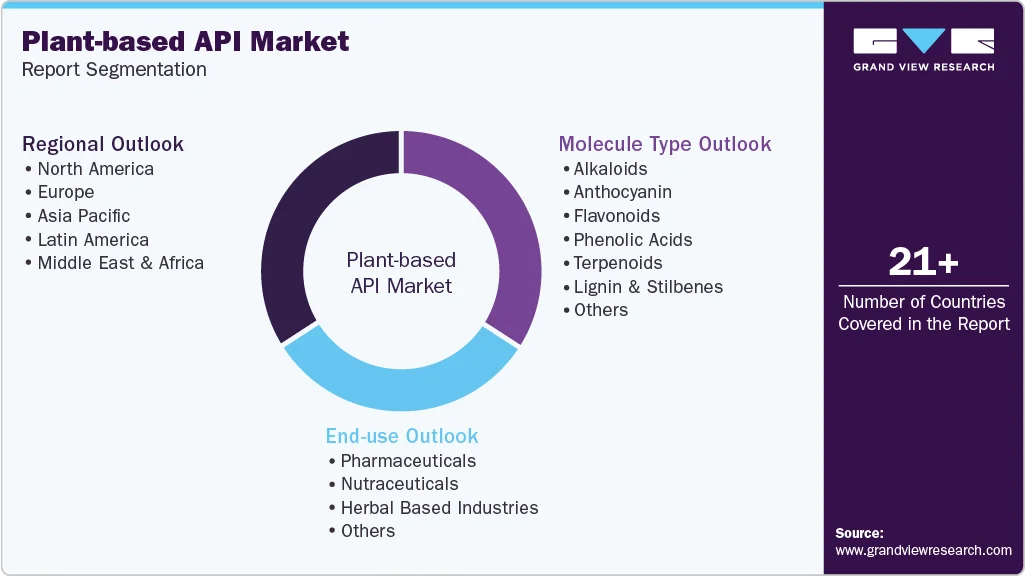
The sourcing of plant-based APIs involves diverse methods. These include conventional extraction from plant materials, biotechnology synthesis, and hybrid approaches. The primary product types within this market encompass amino acids, alkaloids, and glycosides.
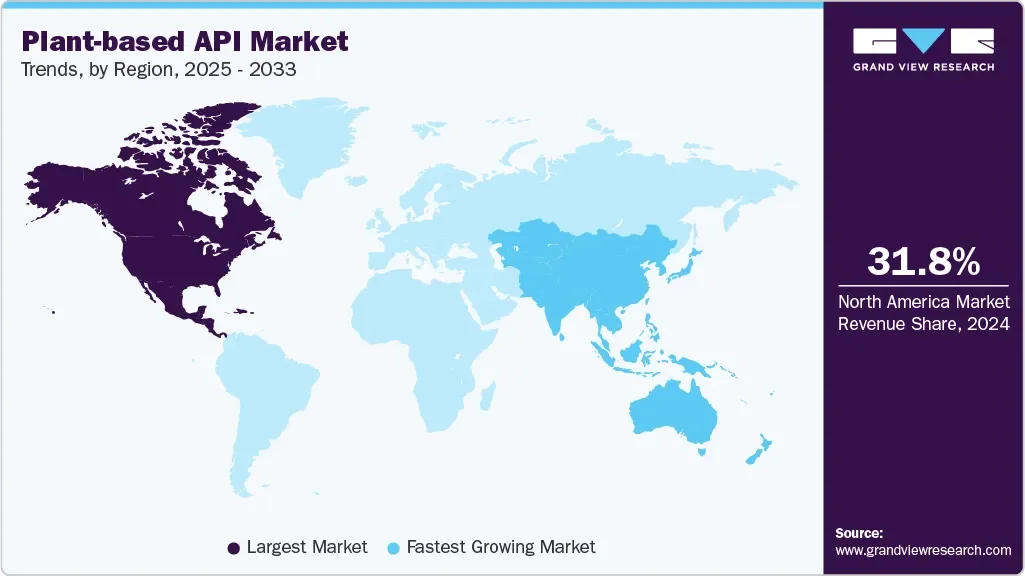
The market is also segmented by application and end-user. Major sectors consuming these APIs include the pharmaceutical industry, nutraceutical developers, and biotechnology companies. Regional market analyses point to growth potential in Brazil and France, with established strengths in Germany due to its advanced processing technologies and stringent pharmaceutical manufacturing standards.
Read More: US Farmers Face $44 Billion Loss in 2025-2026 Due to Rising Costs
Challenges and Considerations
Despite the optimistic outlook, the market is not without its hurdles. Significant restraints include the inherent inconsistency in plant-based API yield and quality. Furthermore, the complex extraction and isolation processes required for many of these compounds can be both time-consuming and cost-intensive, presenting a challenge to scaling operations efficiently.
Industry Context and Future Outlook
The broader context for plant-based APIs is the overarching growth of the 'Active Pharmaceutical Ingredients (API) Market' itself. This dynamic means that plant-derived ingredients are not just carving out a niche but are becoming an increasingly integral part of the pharmaceutical supply chain. Future forecasts for this market generally extend to 2033, 2034, 2035, and 2036, underscoring the long-term nature of these trends.
Read More: Jane Fallon stable after breast cancer surgery, shares recovery update