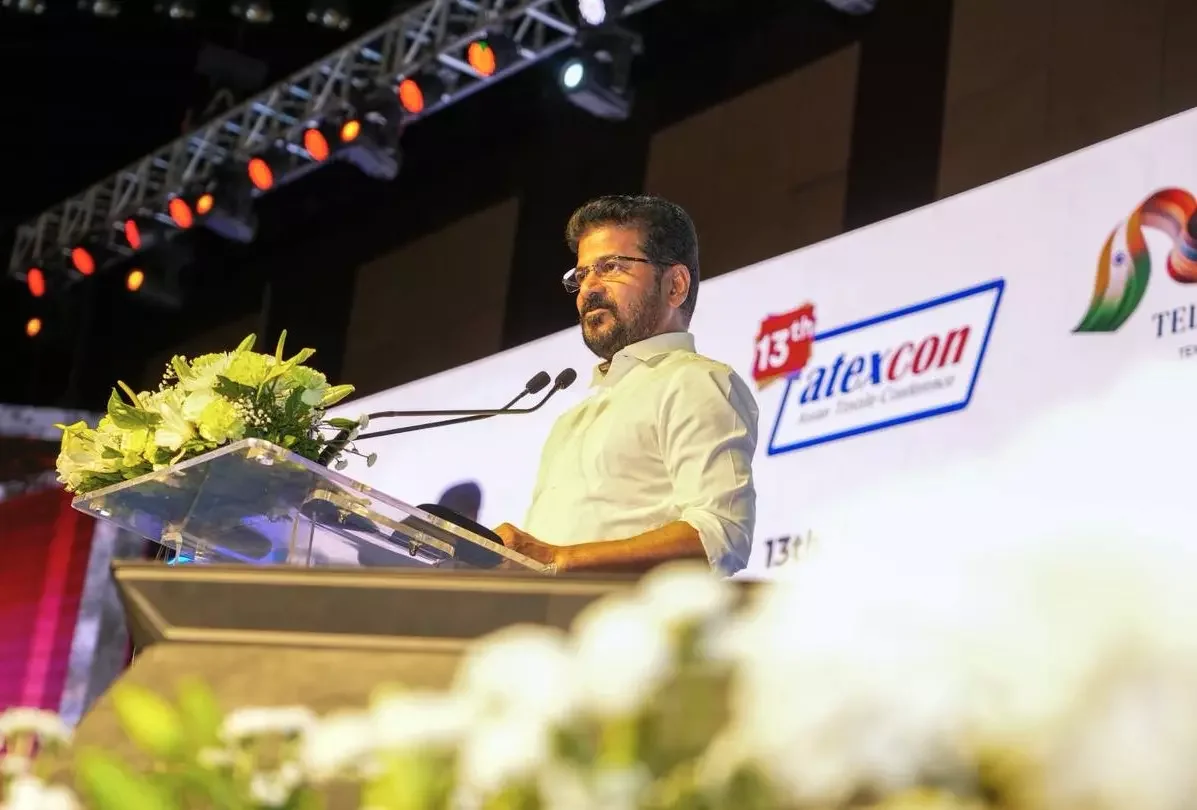
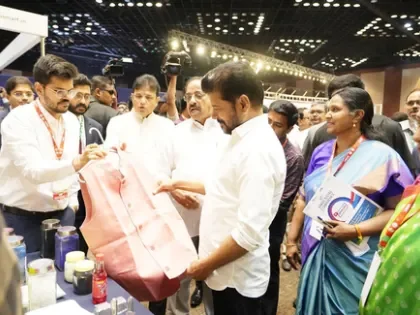
TELANGANA — The state government has articulated an ambitious plan to position itself as the preeminent textile hub across South Asia by the year 2047. This vision, championed by Chief Minister A. Revanth Reddy, hinges on developing a comprehensive, end-to-end textile ecosystem, from raw material cultivation to global fashion market integration. A core tenet of this strategy involves establishing 'green textile hubs', signaling a prioritization of environmental sustainability within the sector. The state government is actively seeking global investment, touting its "world-class infrastructure," including the Kakatiya Mega Textile Park in Warangal, as a key attractor for potential partners.
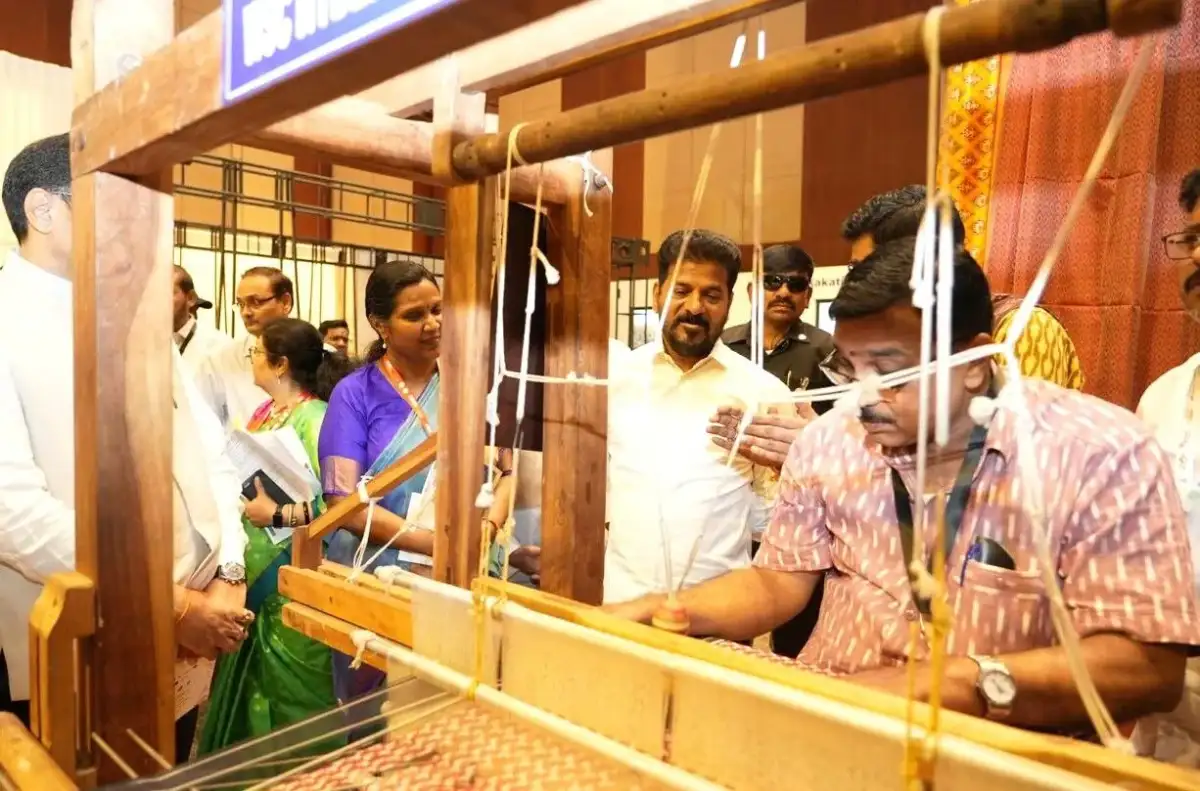
The chief minister emphasized the availability of strong human resources and the existence of policy frameworks described as being on par with global standards. The state aims to elevate weavers from mere laborers in global supply chains to entrepreneurs and stakeholders, fostering a sense of ownership and upward mobility within the industry. This initiative appears to be intertwined with leveraging Telangana's rich textile heritage, which includes renowned products such as Pochampally Ikat, Gadwal sarees, Warangal durries, and Narayanpet handlooms. The government also indicated a potential synergy with the film industry, encouraging it to source fashion from local textile manufacturers.
Read More: Ramayana Film Rights: Producer seeks ₹1000 Crore after rejecting ₹700 Crore offer

Infrastructure and Investment Incentives
Telangana is presenting itself as an attractive destination for investors, citing robust infrastructure that includes "reliable infrastructure, land availability, uninterrupted power, water supply, and industry-friendly policies." The development of the Kakatiya Mega Textile Park is highlighted as a significant step in creating a manufacturing destination of global repute. Officials claim the state ensures "faster execution of projects," thereby reducing potential delays for businesses.
The narrative underscores Telangana's existing strengths, particularly in cotton production. The state claims to be a leading cotton producer in India, with its cotton being globally recognized for its "quality and richness." The ambition extends to connecting cotton fields in Telangana directly to international fashion runways in cities like London, New York, Paris, and Milan. This broad outreach aims to encompass the entire value chain, from cultivation to the final garment presented in global fashion markets.
Read More: India Has Most Doping Bans, Passes Kenya With 148 Athletes Suspended
Broader Economic Context and Environmental Focus
The state's aspiration unfolds against a backdrop of a transforming global industry, influenced by "geopolitical developments." Industry representatives, such as CITI chairman Ashwin Chandran, acknowledge the need for strategic re-evaluation to maintain competitiveness and resilience amidst an "unpredictable trade environment" and "sluggish growth." The emphasis on "environmental sustainability" and the creation of "green textile hubs" are presented as crucial elements for future viability.
The government also points to Hyderabad's emerging status as a "global hub for media and innovation," suggesting further opportunities for the textile sector to capitalize on broader economic developments. Beyond textiles, the chief minister noted Telangana's leadership in other sectors, including deep tech, pharma, life sciences, aerospace, and defense, framing the textile push within a larger narrative of industrial prowess. The stated goal is not just economic growth but also social justice, particularly for grassroots weavers.
Read More: Ellison Family Buys Paramount, Wants Warner Bros. Discovery and TikTok