A proposal before the UN Security Council, aimed at ensuring passage through the Strait of Hormuz, has been significantly altered to quell opposition from key member states. The revised draft, presented by Bahrain, now explicitly authorizes the use of "all defensive means necessary" to secure shipping lanes, a stark departure from earlier language that hinted at broader military action. This shift comes amid firm objections from China and Russia, both permanent members with veto power, who balked at the prospect of authorizing offensive military engagement.
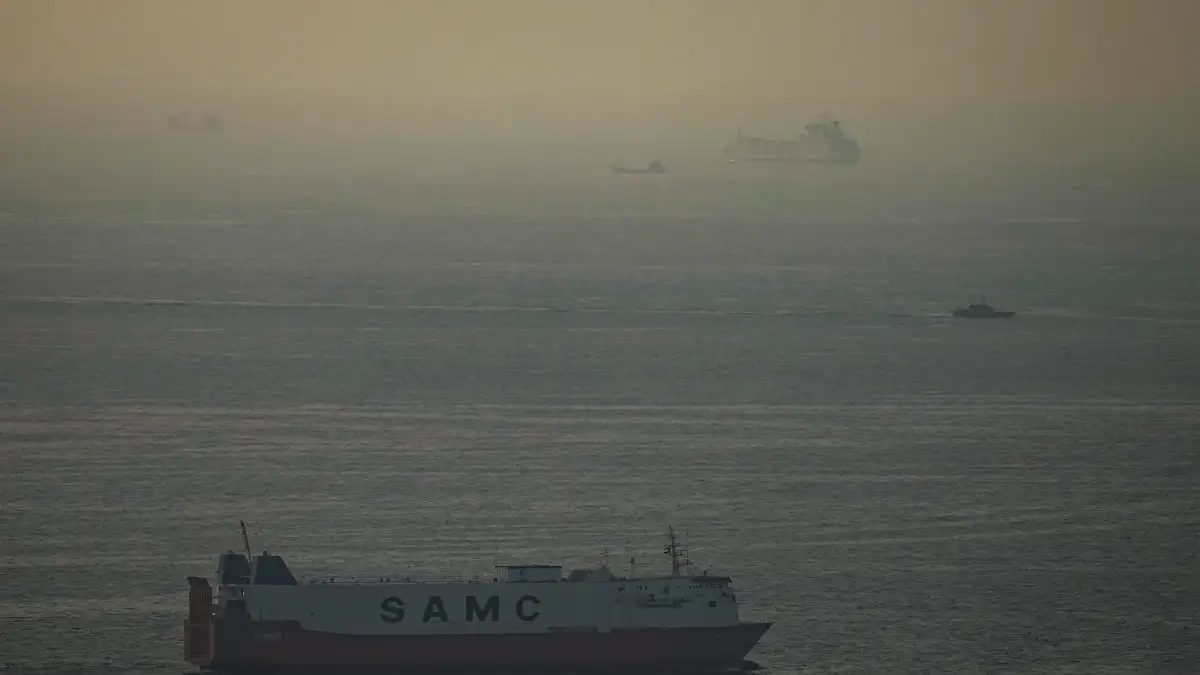
The resolution's current iteration, scheduled for a vote on April 4, authorizes nations, acting individually or in multinational partnerships, to employ defensive measures. These actions must be "commensurate with the circumstances" in the Strait and adjacent waters, and are intended to secure passage and deter interference with international navigation for a minimum of six months. Crucially, any such defensive actions require advance notification to the Security Council. This concession appears to be a direct response to concerns raised by France and other members regarding the initial draft's potential to endorse UN-backed military intervention, particularly as it was initially being considered under Chapter Seven of the UN Charter, which permits sanctions and military force.
Read More: France and South Korea sign 2026 defense deal to increase arms production and trade
Diplomacy and Division
The Security Council's deliberations highlight a fractured international response to the ongoing crisis in the Strait of Hormuz. While the United States and Israel are engaged in military actions against Iran, and attacks on commercial vessels have disrupted nearly a fifth of global oil supply, achieving consensus at the UN proves elusive. The revised Bahraini resolution avoids direct mention of Iran and omits authorization for offensive military action, a move seen as an attempt to appease China, Russia, and France, all of whom had voiced strong reservations.
China's envoy, Fu Cong, explicitly opposed authorizing the use of force, signaling Beijing's continued stance against unilateral military solutions.
Britain, meanwhile, hosted a meeting with over 40 nations to discuss efforts to reopen the Strait, indicating a broader coalition seeking a diplomatic resolution.
Iran has warned the UN against adopting any resolution that could escalate tensions, underscoring the volatile geopolitical landscape surrounding the vital waterway.
Background on the Hormuz Crisis
The Strait of Hormuz, a narrow maritime passage between Iran and Oman, is a critical chokepoint for global energy supplies. Roughly 20% of the world's oil passes through this strait, making any disruption a significant concern for international trade and energy security. Recent attacks on ships and infrastructure in the region have severely impacted tanker traffic and driven up oil prices. The current situation is exacerbated by an ongoing conflict involving the US, Israel, and Iran, marked by missile exchanges and strikes on key infrastructure. This complex web of geopolitical tensions has led to fears of a wider regional war, with significant implications for the global economy. The current disruptions have also led to increased attacks on alternative export infrastructure, further constraining shipping options.
Read More: Iran Claims F-35 Damaged by Air Defense in Middle East Conflict