New EW System Derails Guided Munitions
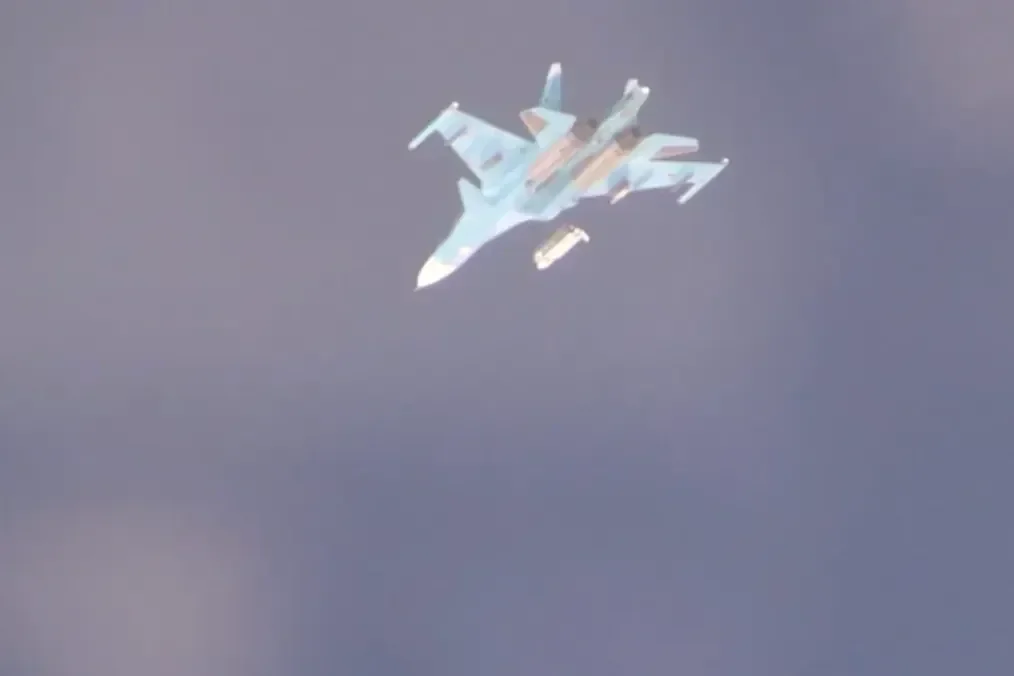
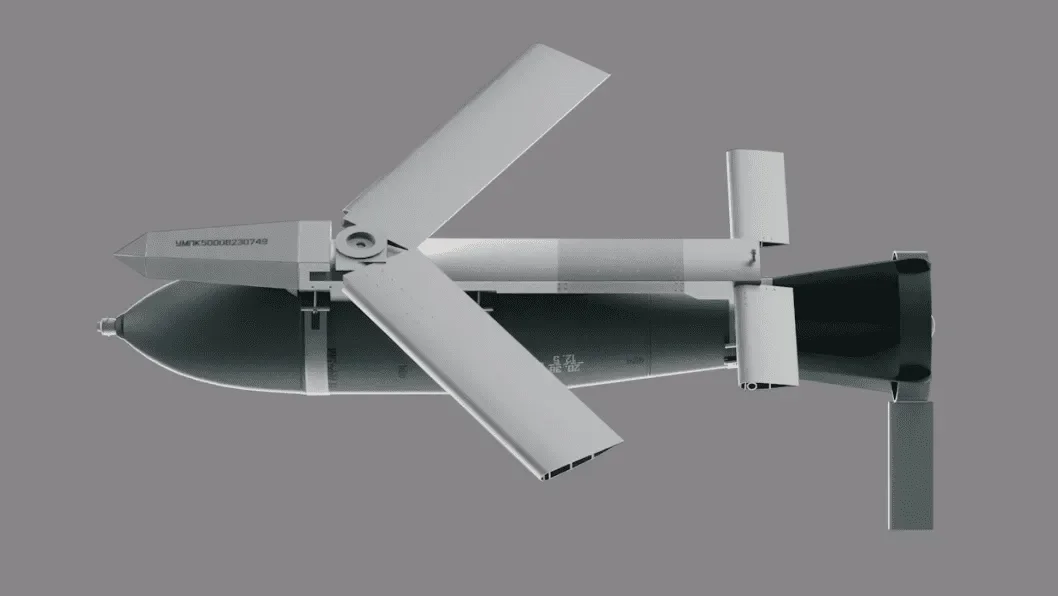
Ukrainian forces have deployed a new electronic warfare system, dubbed "Lima," which significantly degrades the accuracy of Russian glide bombs, specifically those equipped with the Universal Planning and Correction Module (UPMK). The system functions by transmitting corrupt guidance data and interfering with the satellite navigation sensors, primarily Russia's GLONASS network, within the bombs. This dual approach makes it difficult for the bombs' navigation systems to maintain their intended flight paths, rendering them increasingly inaccurate the further they travel from the jammer.

Reports indicate that the effectiveness of these Russian glide bombs, a previously formidable weapon used extensively in assaults like the capture of Avdiivka, has collapsed on the front lines. In areas where the Lima system is deployed, Russian glide bombs have reportedly missed their targets by considerable margins, sometimes by over 250 yards. This has forced Russian forces to deploy more munitions and sorties for less impactful results, making their aerial operations increasingly impractical. The effectiveness of Ukraine's electronic warfare capabilities in countering Russian air power is described as more impactful than traditional air defense measures.
Read More: Air Force Major Detained for Calling for President's Impeachment
Technical Aspects and Limitations
The precise workings of the Lima system remain a closely guarded secret. However, its capabilities involve sophisticated jamming, spoofing, and cyber interference aimed at the guidance systems of the UPMK modules. Some accounts suggest the system utilizes an 8-element antenna array that can resist jamming at levels significantly exceeding its element count.
A notable consequence of this electronic warfare is that the jamming technology does not discriminate between friend and foe, potentially affecting Ukrainian satellite navigation systems as well. While the Lima system is reported to be uniquely effective against the new Russian glide bombs, no other electronic warfare system is cited as being able to counter them. This situation exemplifies a dynamic arms race, where Russian developments in munitions are met with corresponding Ukrainian innovations in countermeasures.

Context and Battlefield Implications
The widespread deployment of glide bombs, known as KABs, was a key element in Russian offensives. These weapons allowed Russian aircraft to strike targets from safer altitudes with improved range and accuracy compared to unguided munitions. However, the introduction of effective jamming has severely blunted this advantage. Reports from Russian military bloggers, cited in some analyses, confirm a significant decline in the effectiveness of these bombs.
Read More: 22 Civilians Killed in Russian Missile Attack on April 7 2026
This development contrasts with Western-supplied precision munitions used by Ukraine, such as JDAMs and French Hammer bombs, which possess backup inertial navigation systems that offer resilience against jamming. The disruption of Russian glide bombs is seen as a critical factor that could further weaken Russia's stalled advances along the 800-mile front line. Some incidents have even suggested that Russian glide bombs have inadvertently hit their own forces due to navigation failures. The system, identified as "Lima Focus" by some sources, is being fielded by Ukraine's "Night Watch" electronic warfare team.