FEDERAL FUNDS REDISTRIBUTED AS DEFENSE SEEKS AMPLE BOOST
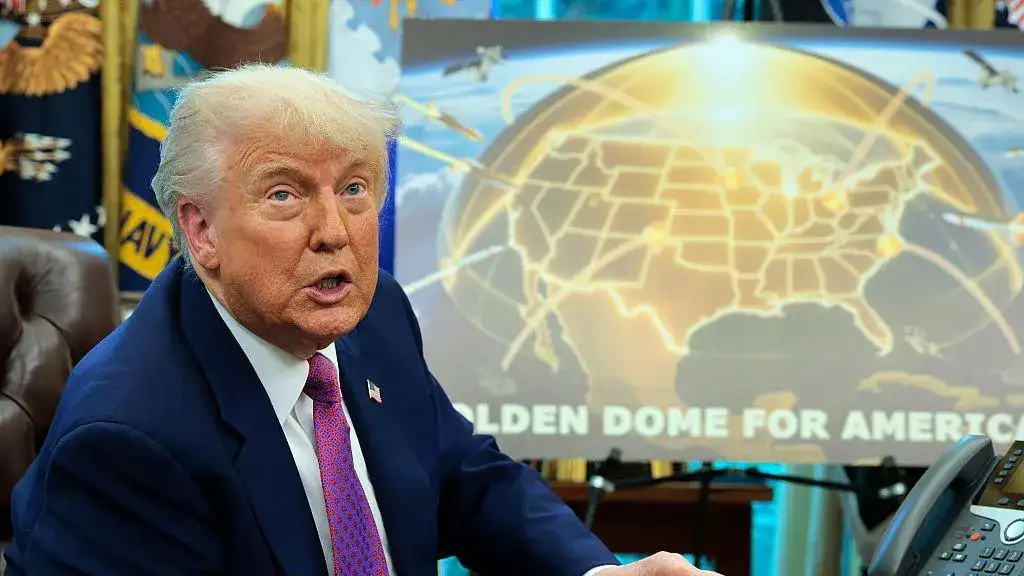
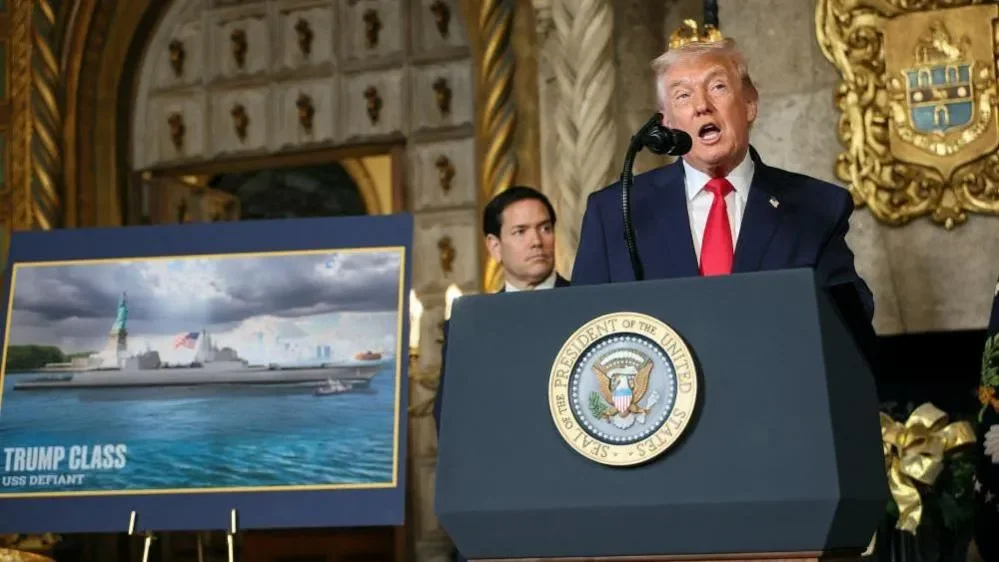
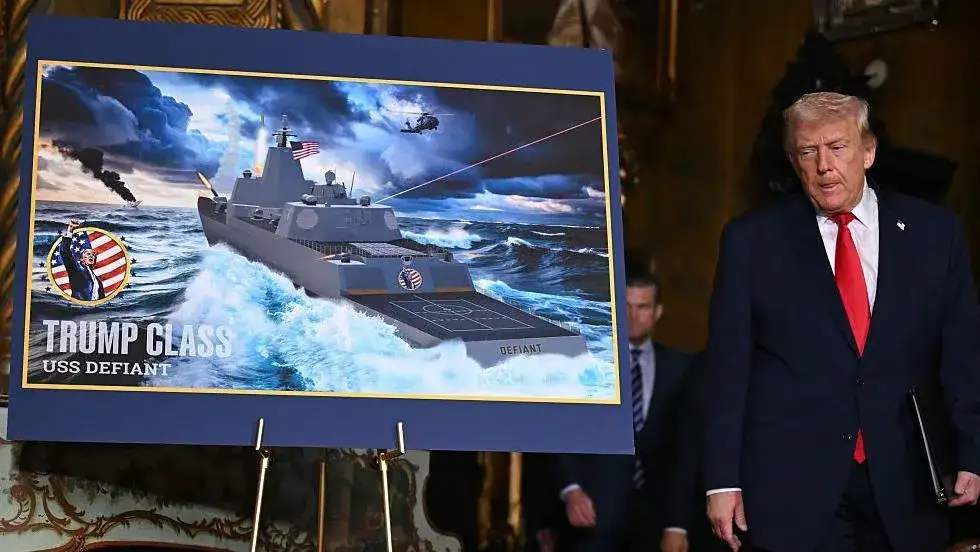
President Trump's budget proposal for 2027 lays out a significant redirection of federal resources, seeking $1.5 trillion for defense while simultaneously pushing for substantial reductions in domestic spending. The administration's blueprint signals a clear prioritization of military might over social programs, proposing cuts that could impact climate, housing, and education initiatives. This push for a fortified defense budget has been a consistent theme, with specific calls for enhanced domestic manufacturing of naval vessels, including the recently unveiled 'Trump-class' battleships, and the 'Golden Dome' missile defense system.
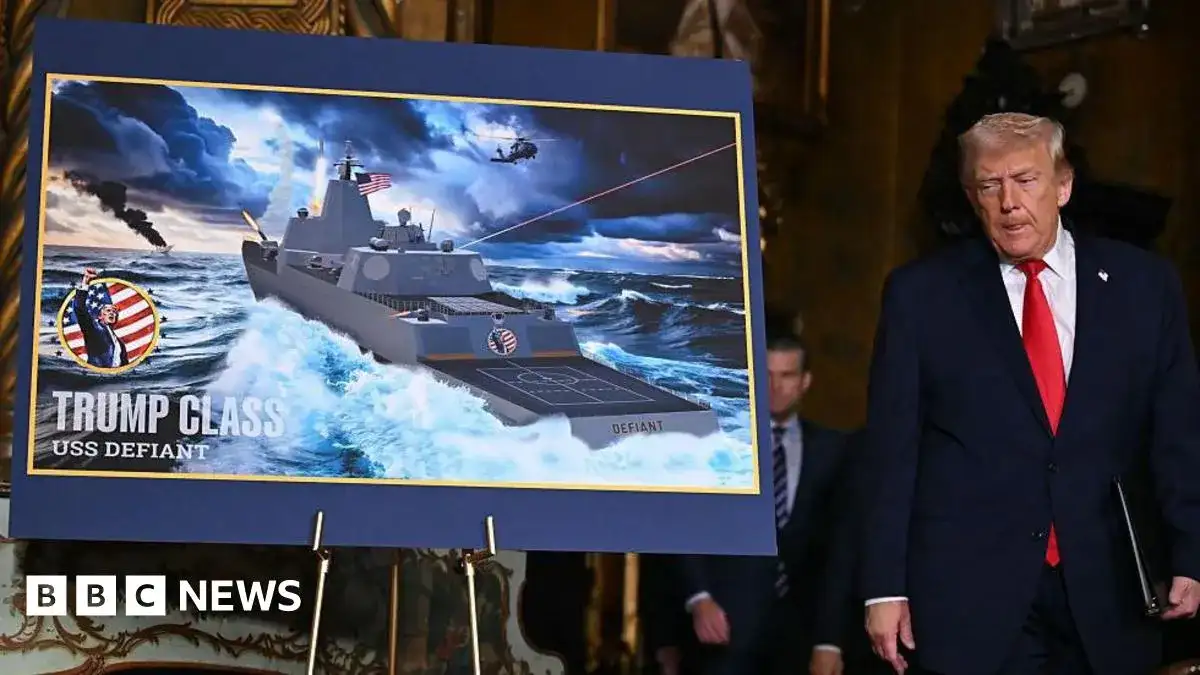
The proposed cuts to non-defense spending, reportedly around a fifth, have already met sharp criticism. Lawmakers, including Rep. Patty Murray, have characterized the budget as "morally bankrupt." The White House's strategy hinges on Republican allies in Congress to shepherd the increased defense allocation through the legislative process, mirroring tactics used in the previous year.
Read More: Taiwan Holds Nantou County Drills to Prepare for State Collapse
DOMESTIC SPENDING FACES SCRUTINY
The administration has openly stated its intention to curb spending on programs that funnel federal investment into lower-income communities. President Trump's remarks suggest a belief that certain responsibilities, such as daycare, should be managed and funded at the state level, implying a reduced federal role and a call for states to increase taxes to cover such costs. This approach underscores a fundamental philosophical divergence on the scope of federal responsibility in social welfare.
CONGRESSIONAL IMPASSE LOOMS
The budget arrives at a time of ongoing negotiation and disagreement between the House and Senate regarding current spending levels. Specific sticking points include funding for the Department of Homeland Security, with Democrats demanding alterations to immigration enforcement policies that Republicans are reportedly unwilling to accept. The legislative path forward for any presidential budget proposal is far from guaranteed, as Congress holds the ultimate power to set spending levels, often diverging significantly from the executive's initial requests. The timing of the proposal, following recent U.S.-led military actions, further contextualizes the emphasis on defense modernization.
Read More: High Court Halts John Doe Execution Over Evidence Claims
BACKGROUND
Past budget cycles have seen Congress maintain domestic spending at relatively stable levels, even when the President has advocated for steeper reductions. The current political climate, marked by partisan divides on key issues like immigration and budget priorities, suggests that the president's budget proposal will likely serve as a starting point for protracted negotiations rather than a foregone conclusion. The push for increased defense spending is framed by the administration as a necessary step to modernize the U.S. military for contemporary global threats.

.png)