Air Quality Plummets to "Hazardous" Levels
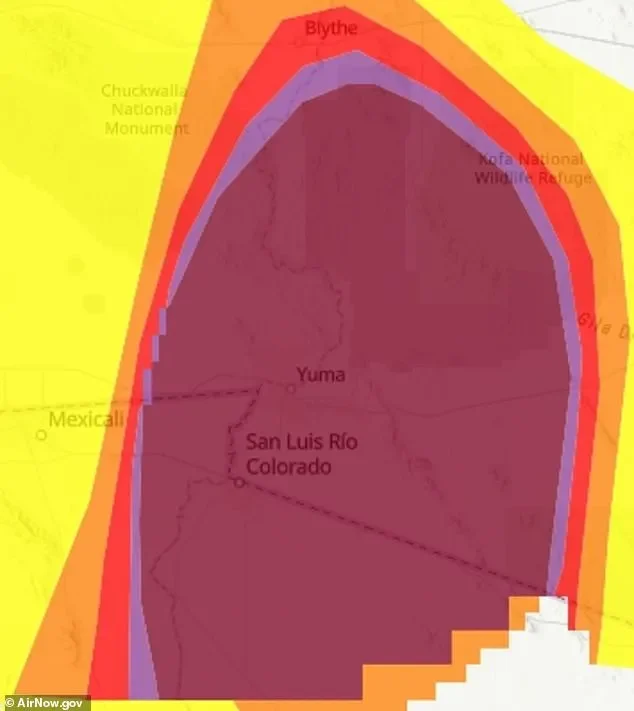
An estimated 80-mile-wide stretch of Arizona and California experienced "hazardous" air quality on Friday, April 3, prompting officials to issue urgent warnings for residents to stay indoors and seal their homes. The U.S. Environmental Protection Agency (EPA) classified the air quality as its worst rating, indicating a significant threat to public health. The affected zone encompasses areas from the U.S. southern border extending approximately 90 miles north, impacting cities like Yuma, Arizona, and reaching as far as Blythe, California. Over 200,000 people live within this dangerous air mass.
Calls for Shelter Amidst Toxins
Residents in the affected regions were advised to "lock windows NOW" and minimize outdoor activity. The air quality alert was expected to persist until at least 9 pm local time. The deterioration to "hazardous" levels is attributed to a substantial plume of air carrying dangerous toxins, specifically fine particulate matter.
Read More: Scientist Biruté Galdikas, Who Studied Orangutans for 50 Years, Dies at 79
Understanding Air Quality Metrics
The U.S. Air Quality Index (AQI), as reported by the EPA and accessible through tools like the 'AirNow Fire and Smoke Map', is a color-coded system designed to convey the healthfulness of the air. Ratings from 0-50 are considered good, 51-100 are moderate, and anything above 100 signals unhealthy conditions. The current situation in the Southwest has reached the upper echelons of this scale, marking an emergency condition.
Underlying Causes and Recommendations
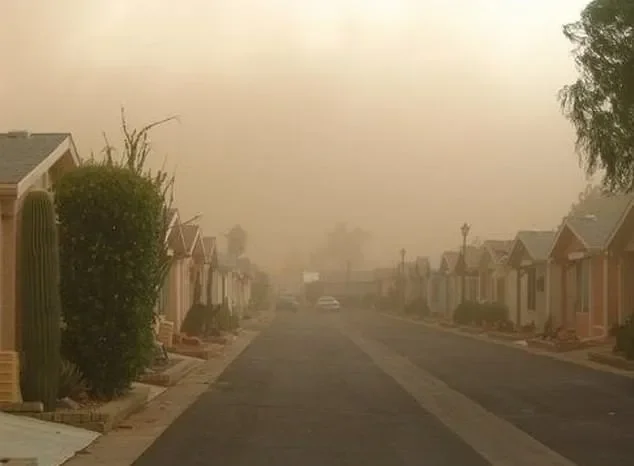
While dust storms along the U.S.-Mexico border are noted as a recurring issue, the scale and severity of this particular event triggered immediate public health advisories. Beyond sealing homes, individuals were urged to avoid activities that could further degrade indoor air quality, such as burning candles or incense. The use of air purifiers or filters was recommended to circulate cleaner air within residences. Some monitoring services, like Plume Labs, reportedly took their equipment offline during the peak of the event.
Read More: US Grey Market Peptide Use Rises, Doctors Warn of Unknown Risks