United States and Iranian officials have confirmed the loss of an F-15E Strike Eagle over Iranian territory on Friday. The aircraft, a two-seat multi-role platform, was reportedly engaged in combat operations when it was downed. A search and rescue mission is currently active, with reports suggesting multiple U.S. Air Force assets, including HC-130 tankers and HH-60G Pave Hawks, are operating in the region to recover the crew.

Core Signal: The destruction of the F-15E marks a significant tactical escalation, invalidating previous administrative claims that Iranian air defense systems had been effectively neutralized.
Current Operational Context
Personnel Status: Two airmen are believed to have been on board. Iranian state media has disseminated reports of a bounty offered for the capture of the surviving crew, though the exact status of the pilots remains unverified.
Wreckage Analysis: Digital media circulating from local sources exhibits debris consistent with an F-15E Strike Eagle, despite initial claims from some Iranian outlets identifying the airframe as an F-35.
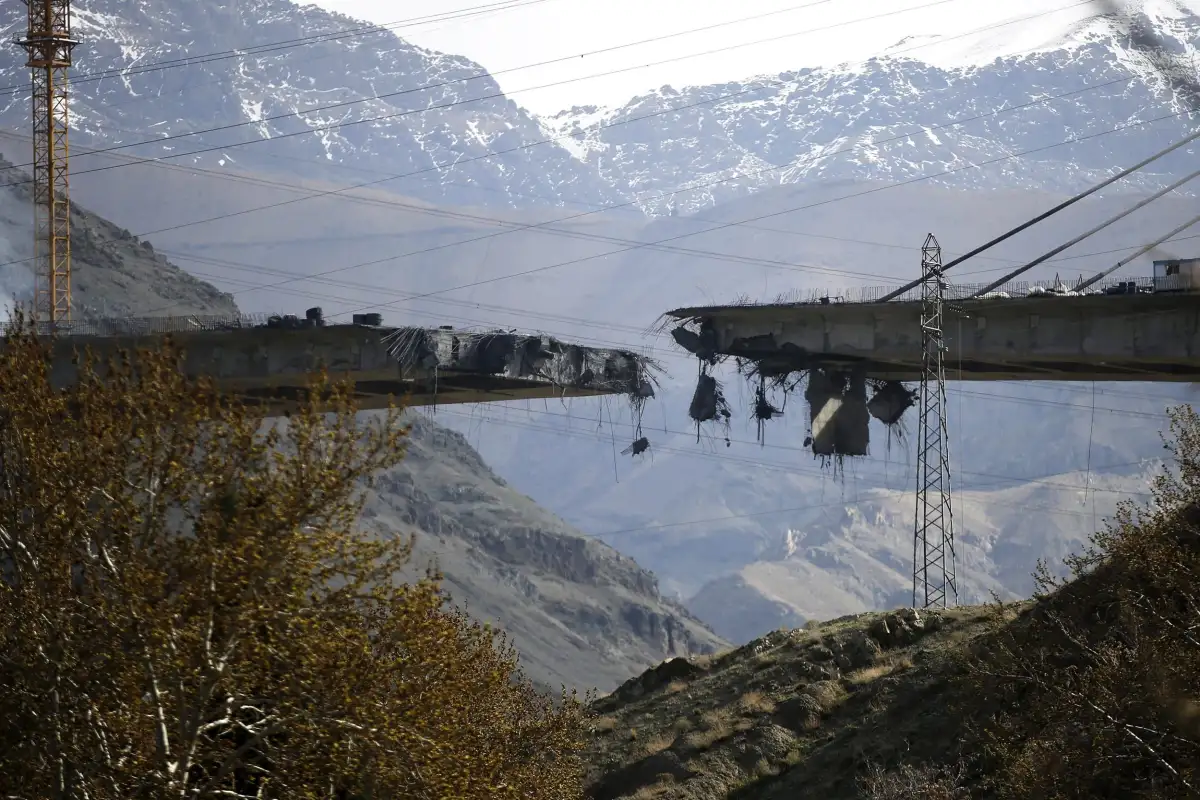
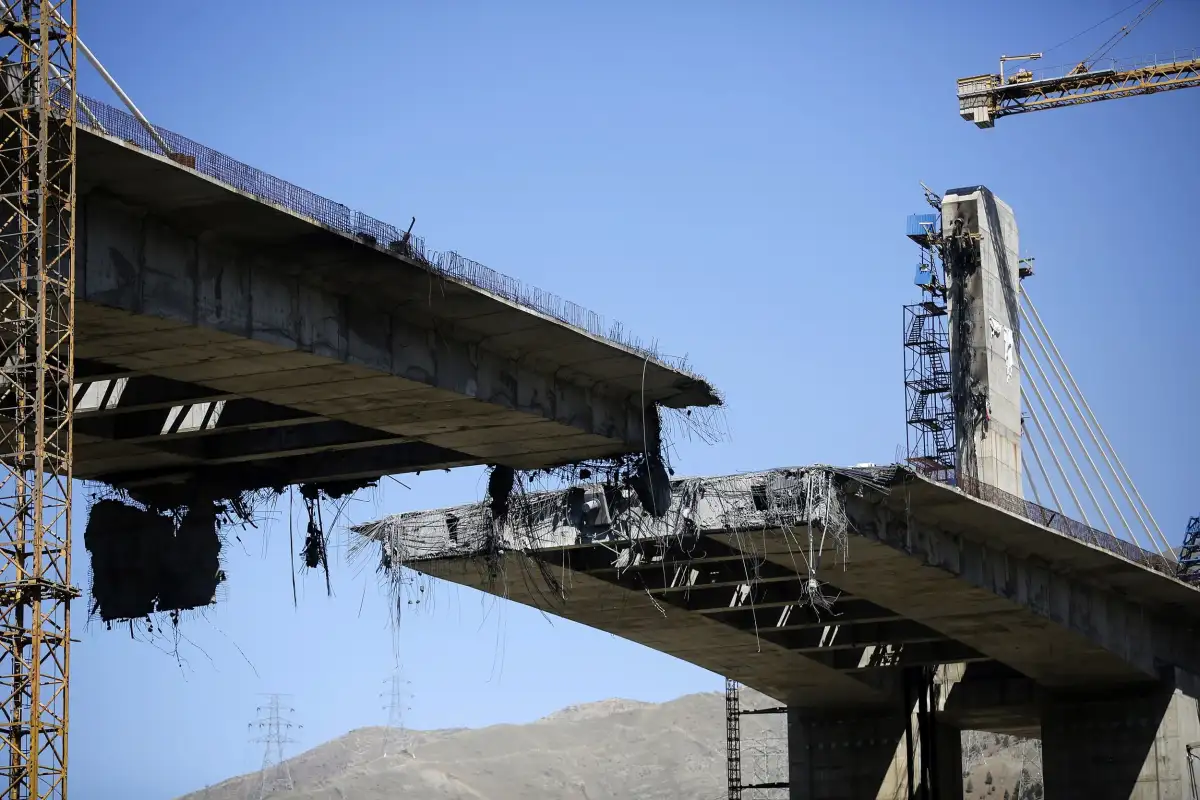
Escalating Theater: This incident follows a series of high-intensity kinetic strikes, including a recent assault on the B1 bridge near Tehran, which reportedly resulted in eight civilian casualties.
Strategic Divergence
The geopolitical discourse surrounding the event remains fractured and highly contentious:
| Actor | Stated Position |
|---|---|
| U.S. Administration | President Trump continues to frame the conflict through the lens of economic acquisition, specifically regarding the Strait of Hormuz and regional oil assets. |
| Iranian State Media | Frames the downing as a successful defense, actively broadcasting wreckage imagery to challenge the narrative of U.S./Israeli air superiority. |
| Independent Observers | Note the persistent volatility of the air corridor, where U.S. logistical and strike craft remain vulnerable to anti-access, area-denial (A2/AD) capabilities. |
Background and Escalation Path
The conflict, initiated on February 28, has seen consistent, if uneven, escalation. The U.S. and Israel launched operations ostensibly to secure the Strait of Hormuz, a waterway central to global hydrocarbon transit.
Read More: Pentagon Removes 180 Religious Data Points From Military Records
While President Trump has repeatedly characterized Iranian resistance as crumbling—suggesting on March 20 that the U.S. might no longer require the Strait—the reality on the ground contradicts these administrative projections. The downing of the F-15E is the most public failure of U.S. aerial dominance in the current campaign. As the search and rescue efforts unfold, the tension between the U.S. intent to force a deal and the mounting human and material costs continues to redefine the war’s trajectory.