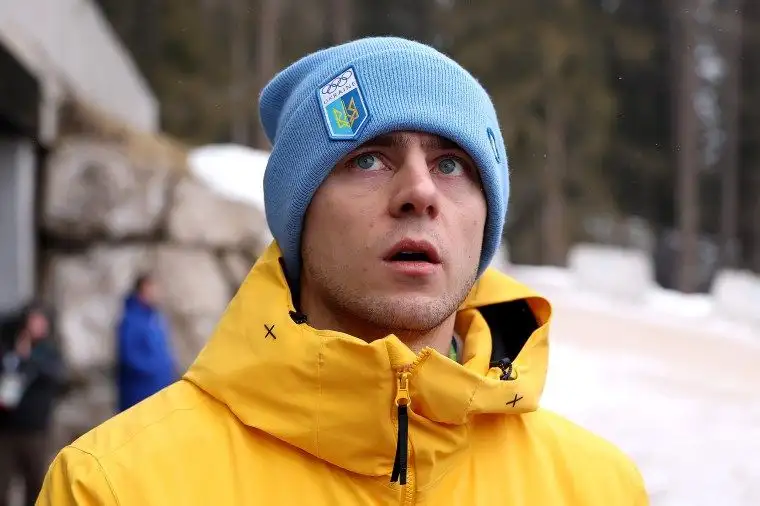
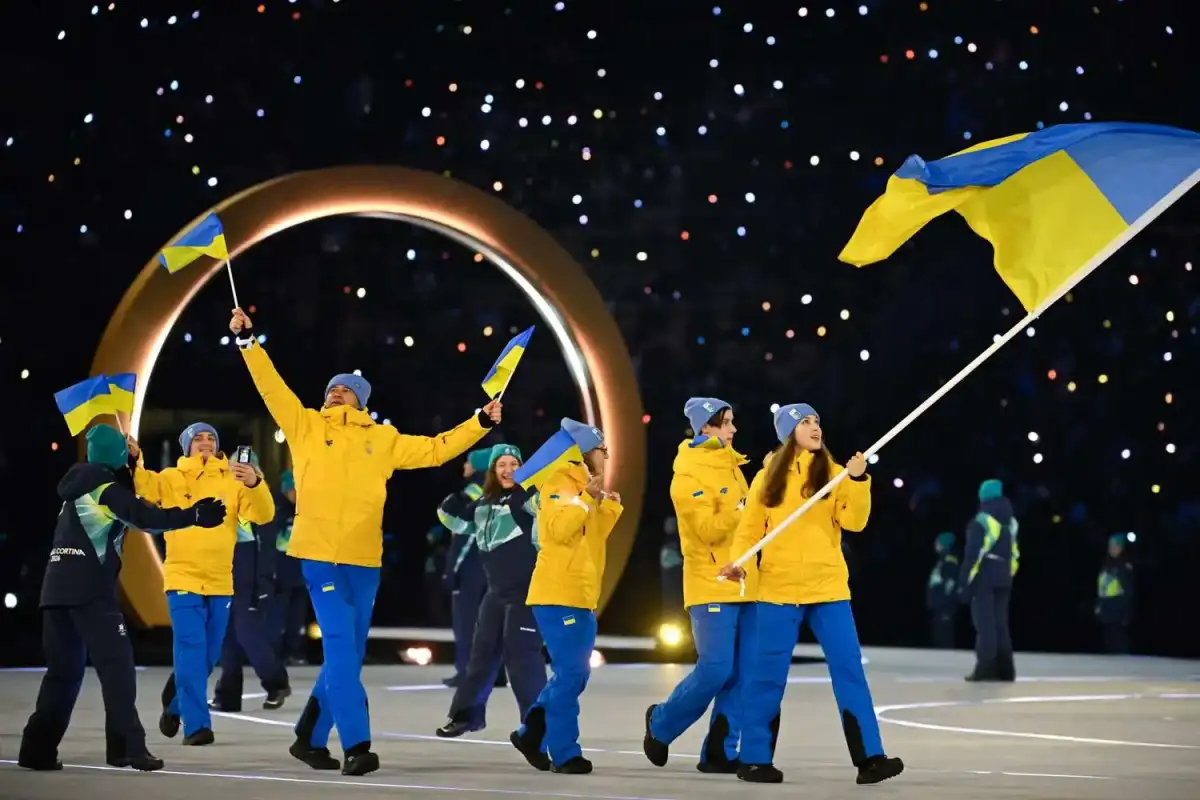
A Ukrainian skeleton athlete, Vladyslav Heraskevych, has been prevented from participating in the Milano Cortina 2026 Winter Olympics after refusing to remove a helmet bearing tribute to those killed in the war with Russia. The decision by the International Olympic Committee (IOC) came shortly before his scheduled competition, marking a significant moment in the ongoing intersection of sports and geopolitical events. Heraskevych, who served as Ukraine's flag bearer, stated that his stand was about more than just sport.

Background and Timeline of Events
The situation unfolded in the days leading up to the men's skeleton competition at the Winter Olympics.
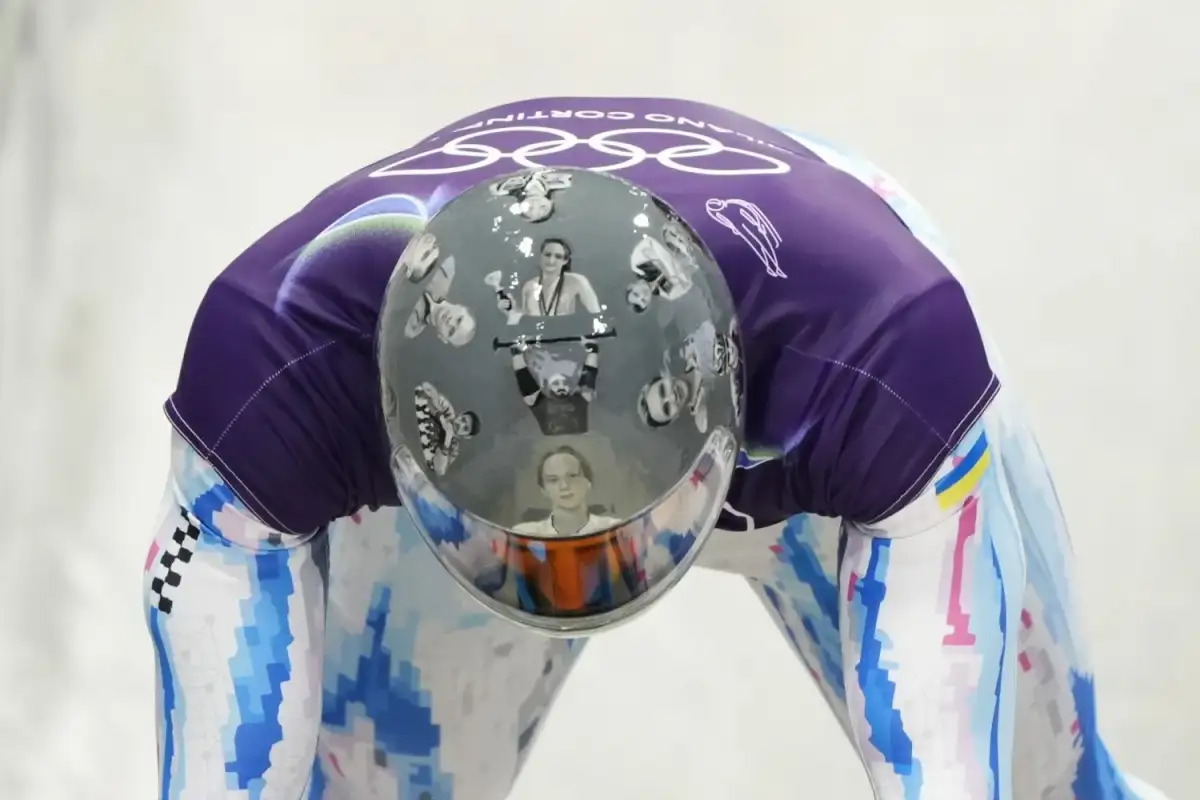
Early February 2026: Ukrainian skeleton racer Vladyslav Heraskevych began training sessions wearing a helmet decorated with images of athletes and others killed in the war in Ukraine. This action was intended as a protest and a way to raise awareness about the conflict.
IOC Contact: The International Olympic Committee (IOC) became aware of the helmet and contacted the Ukrainian Olympic Committee, citing Olympic rules that prohibit political demonstrations during events.
Athlete's Stance: Heraskevych expressed his intention to continue wearing the helmet, stating that "some things are more important than sports" and that he believed he had not violated any rules. He indicated he would not accept an alternative offer of wearing a black armband.
Direct Engagement: The IOC engaged directly with Heraskevych, including an in-person meeting on the morning of his scheduled competition with IOC President Kirsty Coventry. Despite these exchanges, no compromise was reached.
Disqualification Announcement: Shortly before the men's skeleton competition was due to start, the IOC announced that Heraskevych was "not allowed to participate… after refusing to adhere to the IOC athlete expression guidelines."
Evidence of Disagreement
Key pieces of information highlight the diverging positions of the athlete and the IOC.
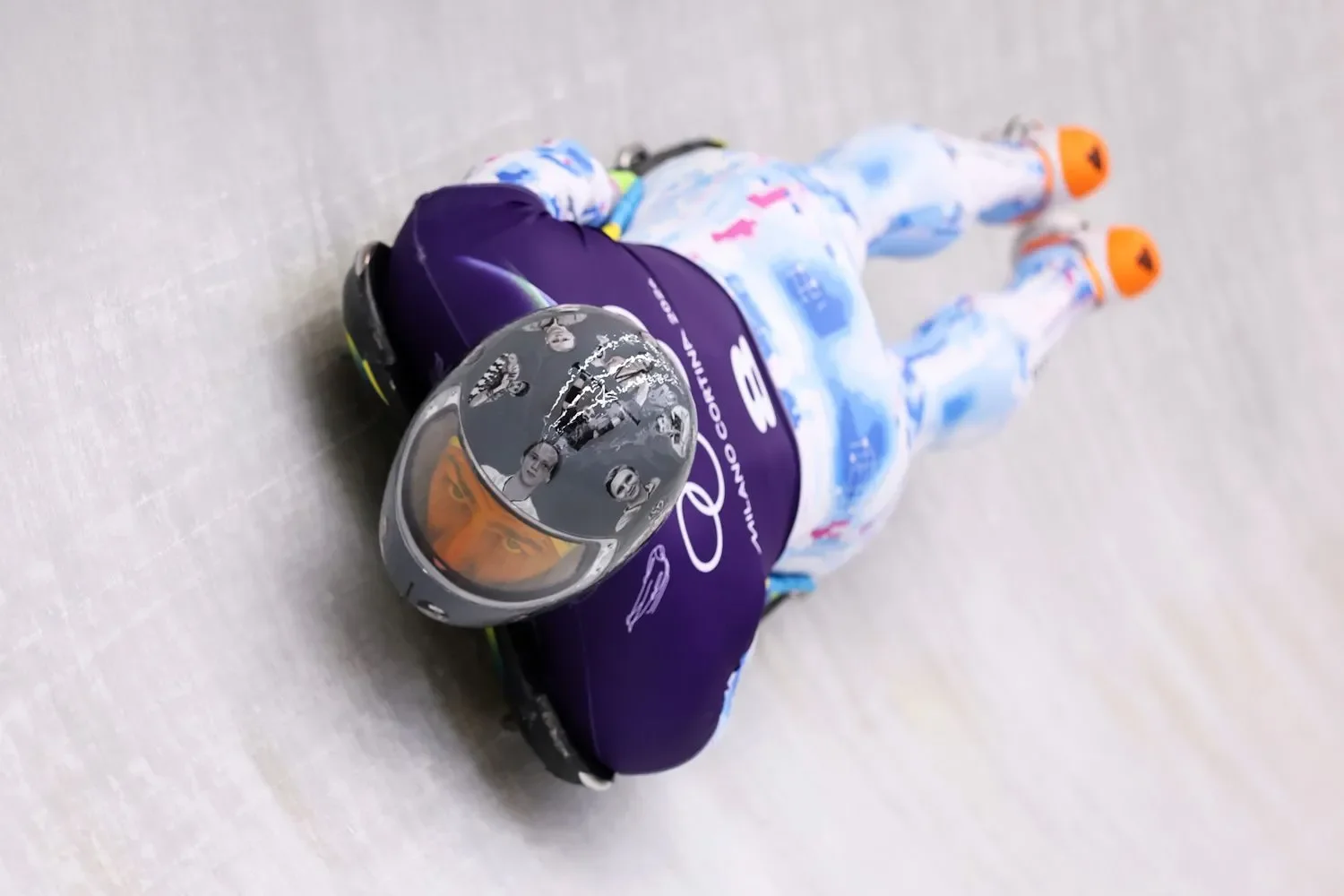
Heraskevych's consistent statements: He repeatedly declared his intention to wear the helmet. He told CNN, "I will wear it tomorrow and I will wear it for the race day." He also stated to Reuters, "I had donned the helmet in an effort to speak out about Russia's war on Ukraine."
IOC's official statement: The IOC stated Heraskevych was barred for "refusing to adhere to the IOC athlete expression guidelines." They also noted they were "very keen for Mr Heraskevych to compete" and had offered a compromise.
Meeting with IOC President: Kirsty Coventry met with Heraskevych on the morning of the competition. Reports indicate she was unable to change his mind, and she was later seen in tears speaking to reporters, suggesting the encounter was emotional.
Helmet's Imagery: The helmet reportedly featured images of fellow athletes killed in the war, including national teammate Dmytro Sharper and Youth Olympic medalist boxer Maksym Halinichev.
The Athlete's Declaration and IOC Guidelines
The core of the dispute centers on Vladyslav Heraskevych's commitment to his helmet's message and the IOC's athlete expression policies.
Heraskevych's Perspective: He viewed the helmet as a tribute and a necessary act of remembrance. He explicitly stated that he did not plan to wear an armband offered as an alternative by the IOC. He also drew a parallel to other instances, mentioning a Russian athlete with a Russian flag on their helmet who did not face penalties.
IOC's Position: The IOC maintained that Heraskevych’s helmet violated their guidelines on athlete expression, which aim to keep the Games free from political statements. The committee offered a compromise, suggesting a black armband as a permissible alternative. An IOC statement emphasized that Heraskevych "did not consider any form of compromise."
Attempts at Resolution and Compromise
Evidence suggests multiple efforts were made to resolve the situation before the athlete's disqualification.
Read More: FIFA World Cup 2026 Revenue Reaches $15 Billion With New Ticket Prices
IOC's Offer: The IOC proposed that Heraskevych wear a black armband as a compromise to allow him to compete. This was an attempt to acknowledge his desire for a tribute while adhering to regulations.
Heraskevych's Rejection: Heraskevych turned down the armband offer. He stated, "It’s not basic to put any sanctions or disqualifications or anything or penalties on me because we didn’t violate any rules." He reiterated his resolve to wear the helmet.
Direct Negotiations: The IOC reportedly engaged in "multiple exchanges and in-person meetings" with Heraskevych. The final meeting involved IOC President Kirsty Coventry herself.
Ukrainian Olympic Committee Support: Ukraine's Olympic Committee officially requested the IOC's permission for Heraskevych to wear the "helmet of remembrance," indicating institutional backing for the athlete's stance.
Expert Commentary and Wider Implications
The incident has drawn attention to the ongoing tension between political expression and the neutrality expected in international sports.
"Emptiness": Heraskevych described the outcome of his disqualification as "emptiness" after his meeting with Kirsty Coventry, signaling his deep disappointment and the personal impact of the decision.
"Olympic Games have always been Political Games": This assertion from one report suggests a historical context for such events, implying that the line between sport and politics is often blurred.
Impact on Athlete: The disqualification occurred shortly before his scheduled race, preventing him from competing as a medal contender. He has indicated he will appeal to the Court of Arbitration for Sport.
Conclusion and Future Steps
The disqualification of Vladyslav Heraskevych from the Milano Cortina 2026 Winter Olympics highlights a stark conflict between an athlete's desire to make a political statement and the IOC's strict rules on athlete expression. Despite multiple attempts at compromise, including an offer of a black armband and direct meetings with IOC leadership, Heraskevych remained firm in his decision to wear a helmet honoring victims of the war in Ukraine. The IOC cited his refusal to adhere to their guidelines as the basis for the disqualification. Heraskevych has stated his intention to appeal this decision. The situation underscores the enduring challenges of navigating geopolitical conflicts within the framework of international sporting events.
Sources
NBC News: Ukrainian star disqualified from Winter Olympics over helmet honoring war dead. Published: 1 minute ago. https://www.nbcnews.com/sports/olympics/ukraine-vladyslav-heraskevych-disqualified-winter-olympics-helmet-war-rcna258696
The Guardian: Winter Olympics 2026: Ukrainian athlete disqualified from skeleton over helmet tribute – live. Published: 14 minutes ago. https://www.theguardian.com/sport/live/2026/feb/12/winter-olympics-2026-day-six-live-action
CNN: Ukrainian Olympian tells CNN he will continue honoring athletes killed in war: ‘Some things are more important than sports’. Published: 1 day ago. https://edition.cnn.com/2026/02/10/sport/heraskevych-ukraine-helmet-olympics-ban
AP News: Ukrainian trains in helmet honoring fellow athletes killed in war. IOC says it's banned for race. Published: 1 day ago. https://apnews.com/article/ukraine-helmet-tribute-olympics-skeleton-c033a6f6a8a3ebcc86224d2c37344e8a
Olympics.com: Skeleton pilot Vladylsav Heraskevych not allowed to participate at Milano Cortina 2026 after refusing to adhere to the IOC athlete expression guidelines. Published: 8 hours ago. https://www.olympics.com/ioc/news/skeleton-pilot-vladyslav-heraskevych-not-allowed-to-participate-at-milano-cortina-2026-after-refusing-to-adhere-to-the-ioc-athlete-expression-guidelines
People: Ukrainian Skeleton Racer Wears Helmet Displaying Athletes Killed in War During Winter Olympics Training. Published: 2 days ago. https://people.com/ukraine-s-vladyslav-heraskevych-wears-helmet-displaying-athletes-killed-in-war-during-winter-olympics-training-11902791
CBS News: Ukrainian Olympian says he'll defy IOC and wear helmet showing compatriots killed in Russia's war. Published: 1 day ago. https://www.cbsnews.com/news/winter-olympics-ukraine-russia-war-vladyslav-heraskevych-skeleton-racer-helmet/
The Telegraph: Ukrainian athletes defy IOC and double down in helmet protest against Russia. Published: 2 days ago. https://www.telegraph.co.uk/winter-olympics/2026/02/09/ukrainian-athlete-vladyslav-heraskevych-anti-russian-helmet/?msockid=3d2ad7d77511601c04d7c129749061f8