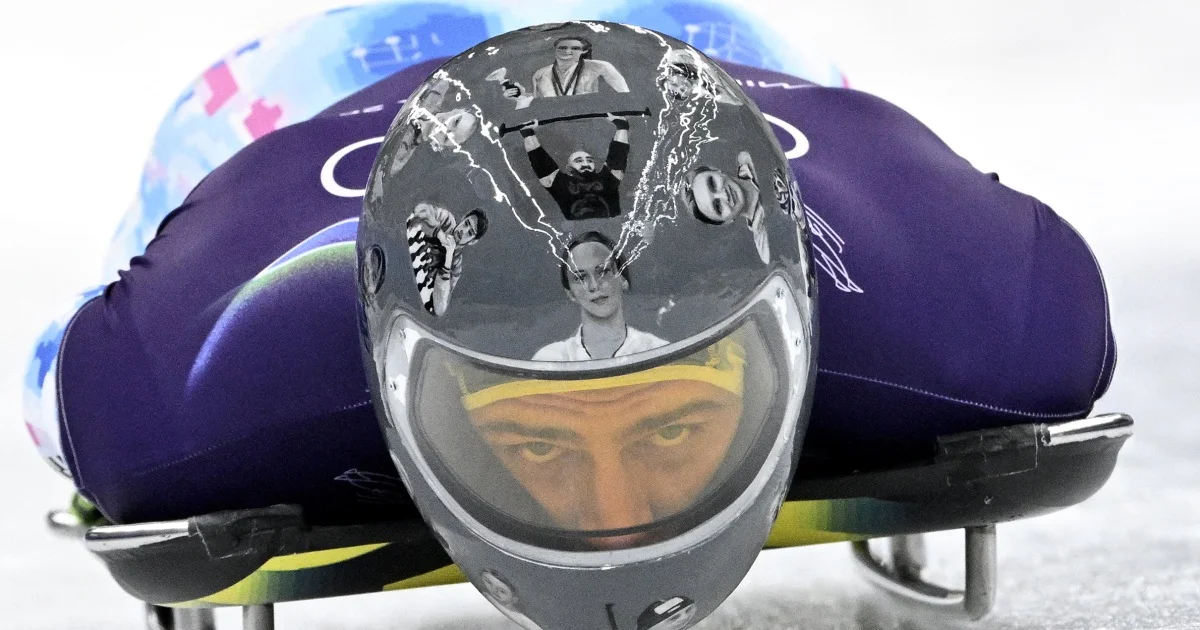
The 2026 Winter Olympics in Milan-Cortina is facing controversy as Ukrainian skeleton racer Vladyslav Heraskevych was disqualified just hours before his competition. The International Olympic Committee (IOC) deemed his helmet, which featured images of Ukrainian athletes killed in the ongoing war with Russia, a violation of rules against political statements within the field of play. Heraskevych, who was considered a medal contender, refused to compromise on his tribute, leading to his removal from the Games and immediate expulsion from the athletes' village.
Background and Timeline of Events
The incident unfolded on Thursday, the day Heraskevych was scheduled to compete in the men's skeleton event.
Prior to the Event: Heraskevych had been training and competing with a helmet that honored fallen Ukrainian athletes. This act was a direct response to the loss of life in his country due to the conflict with Russia.
IOC Ruling: The IOC, citing regulations on athlete expression, declared the helmet to be in contravention of the rules. While the IOC spokesperson Mark Adams expressed a desire for Heraskevych "to have his moment," he maintained that the helmet's imagery was not permissible on the field of play.
Meetings and Impasse: Multiple discussions were held between Heraskevych and IOC officials, including IOC President Kirsty Coventry. Reports indicate that Kirsty Coventry met with Heraskevych early on Thursday morning in an attempt to resolve the situation.
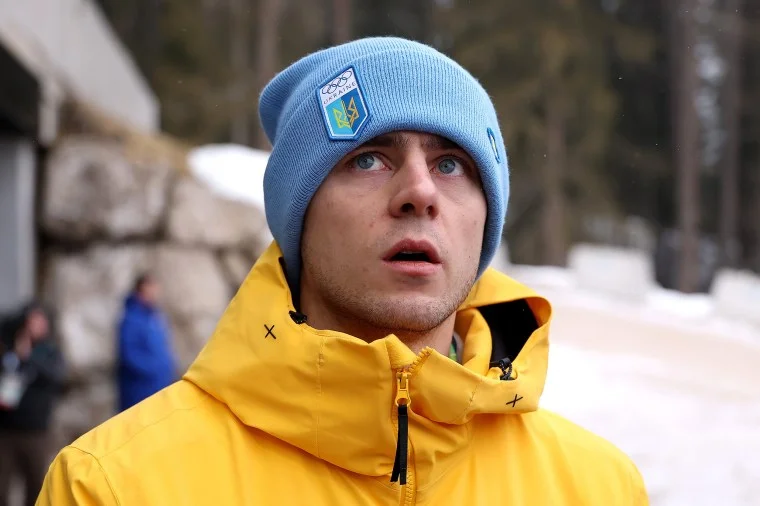
Heraskevych's Stance: Heraskevych remained steadfast in his decision to honor the sacrifices of his compatriots, stating his intent not to compromise on the issue. He believed it was important to pay tribute to those who had sacrificed their lives.
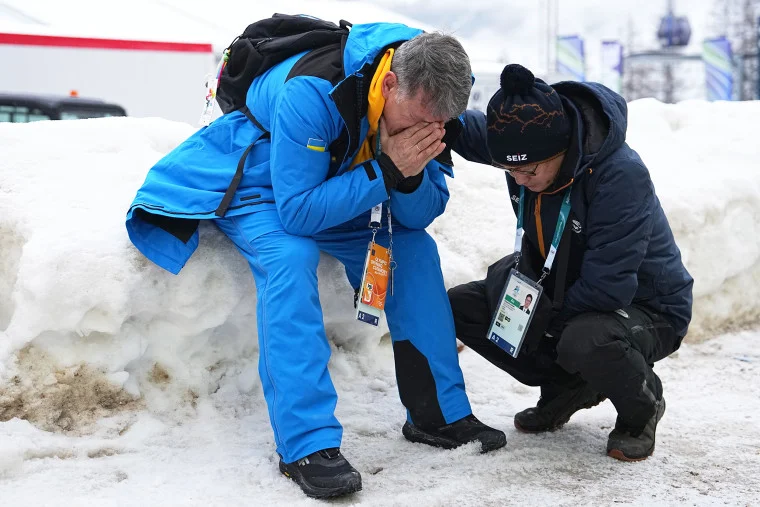
Disqualification: Following the failed attempts to reach a resolution, the IOC announced Heraskevych's disqualification less than an hour before his race was due to begin. He was informed of the decision at the sliding venue.
Appeal: Heraskevych has indicated plans to appeal the IOC's decision to the Court of Arbitration for Sport (CAS).
Athlete's Intent and IOC Regulations
Heraskevych's actions were driven by a desire to memorialize and honor fellow Ukrainian athletes and others who have lost their lives in the conflict. He explicitly stated that the helmet was a tribute to "people who sacrificed their lives because of this sacrifice, I’m able today to be here." He also noted that his national teammate Dmytro Sharper and boxer Maksym Halinichev were depicted on the helmet.
Read More: Italian Athletes Do Well at Home in Winter Olympics
The IOC, however, maintained that their decision was based on existing regulations governing athlete expression. According to the IOC, "any messaging, any form of messaging" is prohibited within the field of play. IOC spokesperson Mark Adams reiterated that the organization wanted Heraskevych to compete and "have his moment," but insisted the helmet's design was not permitted.
Conflicting Interpretations of "Political Statement"
The core of the dispute lies in the interpretation of what constitutes a prohibited "political statement."
Heraskevych's Perspective: A Personal Tribute
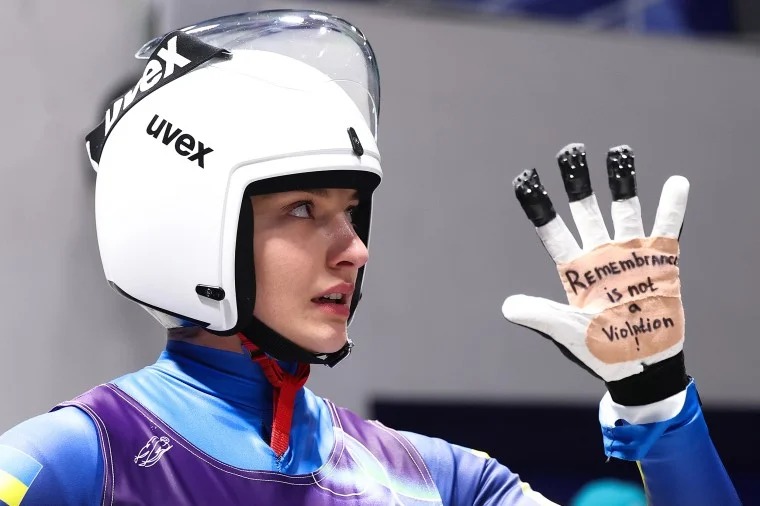
Heraskevych viewed his helmet as a personal memorial to fallen compatriots, an act of remembrance rather than overt political activism.
He argued that his tribute was a way to honor the sacrifices that enable him to participate in the Games.
He contrasted his situation with what he perceives as a lack of sanctions for Russian athletes previously displaying national symbols.
IOC's Position: Adherence to Rule 50
The IOC cited its athlete expression guidelines, which are informed by Rule 50 of the Olympic Charter. This rule generally prohibits political, religious, or racial propaganda or demonstrations.
The IOC's stance suggests that the imagery on Heraskevych's helmet, regardless of his intent, falls under the category of prohibited messaging within the competition arena.
IOC spokesperson Mark Adams stated, "Here we have rule regarding expression, so it's not Rule 50," implying a broader interpretation of expression rules.
Impact on the Athlete and Games
The disqualification has significant ramifications for Vladyslav Heraskevych.
Read More: Lindsey Vonn Hurt in Ski Race Crash
Medal Contention: Heraskevych was considered a strong contender for a medal in the men's skeleton event, making his exclusion a notable loss for the competition.
Olympic Experience: The stripping of his accreditation means he must leave the Olympic village immediately and is not permitted to return, curtailing his overall Olympic experience.
Symbolic Precedent: The decision has cast a shadow over the opening days of the Games, raising questions about the balance between athlete expression and the IOC's neutrality.
IOC President Kirsty Coventry reportedly expressed regret over the outcome, stating, "Sadly, we’ve not been able to find that solution." Her visible distress when speaking to reporters underscored the difficult nature of the situation.
Conclusion and Next Steps
The disqualification of Vladyslav Heraskevych from the 2026 Winter Olympics highlights a tense intersection between personal tribute and Olympic regulations. Heraskevych's insistence on honoring fallen Ukrainian athletes with his helmet led to an impasse with the IOC, ultimately resulting in his removal from the competition.
Read More: Ukraine Skeleton Player Removed from Olympics for Helmet Design
Immediate Consequence: Heraskevych has been barred from competing and removed from the Olympic village.
Legal Challenge: Heraskevych intends to appeal the IOC's decision to the Court of Arbitration for Sport (CAS), seeking a reversal of the disqualification.
Ongoing Debate: The incident is likely to fuel continued discussion about the scope of athlete expression and the IOC's enforcement of its rules, particularly in the context of international conflicts.
The resolution of Heraskevych's appeal will be a critical next step in understanding the implications of this event for future Olympic Games and athlete advocacy.
Sources Used:
ESPN: https://www.espn.com/olympics/story//id/47906420/ukraine-skeleton-racer-disqualfied-2026-winter-olympics-tribute-helmet - Provides details on the IOC ruling and Heraskevych's refusal to compromise.
The Guardian: https://www.theguardian.com/sport/2026/feb/12/ukraine-vladyslav-heraskevych-disqualified-winter-olympics-skeleton-helmet-protest-war-deaths - Mentions Heraskevych as a medal contender and the immediate departure requirement.
CNN: https://www.cnn.com/2026/02/12/sport/ukrainian-skeleton-withdrawn-olympics-helmet - Details Heraskevych's intent to honor sacrifices, IOC spokesperson's statement, and the planned appeal to CAS.
NBC News: https://www.nbcnews.com/sports/olympics/ukraine-vladyslav-heraskevych-disqualified-winter-olympics-helmet-war-rcna258696 - States the reason for disqualification based on IOC statement and highlights Heraskevych as the Ukrainian flag bearer.
Al Jazeera: https://www.aljazeera.com/sports/2026/2/12/ukraines-heraskevych-disqualified-from-olympics-skeleton-over-helmet - Explains the disqualification was for "repeatedly wearing helmet that depicts Ukrainian athletes killed in war with Russia" and notes the timing of the notification.
Washington Post: https://www.washingtonpost.com/sports/olympics/2026/02/12/vladyslav-heraskevych-ukrainian-helmet-olympics-skeleton/ - Describes Heraskevych being barred from the event for refusing to remove the helmet honoring those killed in Russia's invasion.
CBS News: https://www.cbsnews.com/news/winter-olympics-ukraine-russia-war-vladyslav-heraskevych-skeleton-racer-helmet/ - Mentions specific individuals depicted on the helmet and contrasts the situation with past events involving Russian flags.
AP News: https://apnews.com/article/ukraine-helmet-olympics-heraskevych-skeleton-1b5cecc43a5bc3f841c7d2b683bc771b - Details Heraskevych training in the banned helmet despite IOC warnings and the IOC's desire for him to express himself differently.
Read More: Spurs Look at Tactics and Player Choices