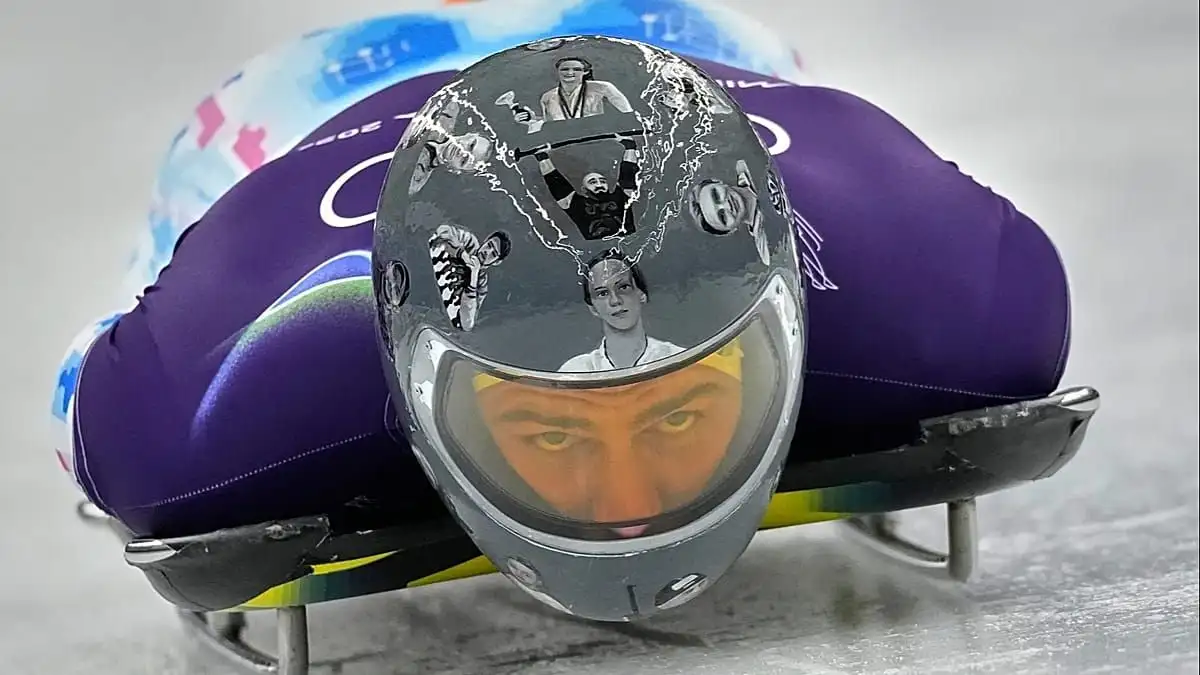
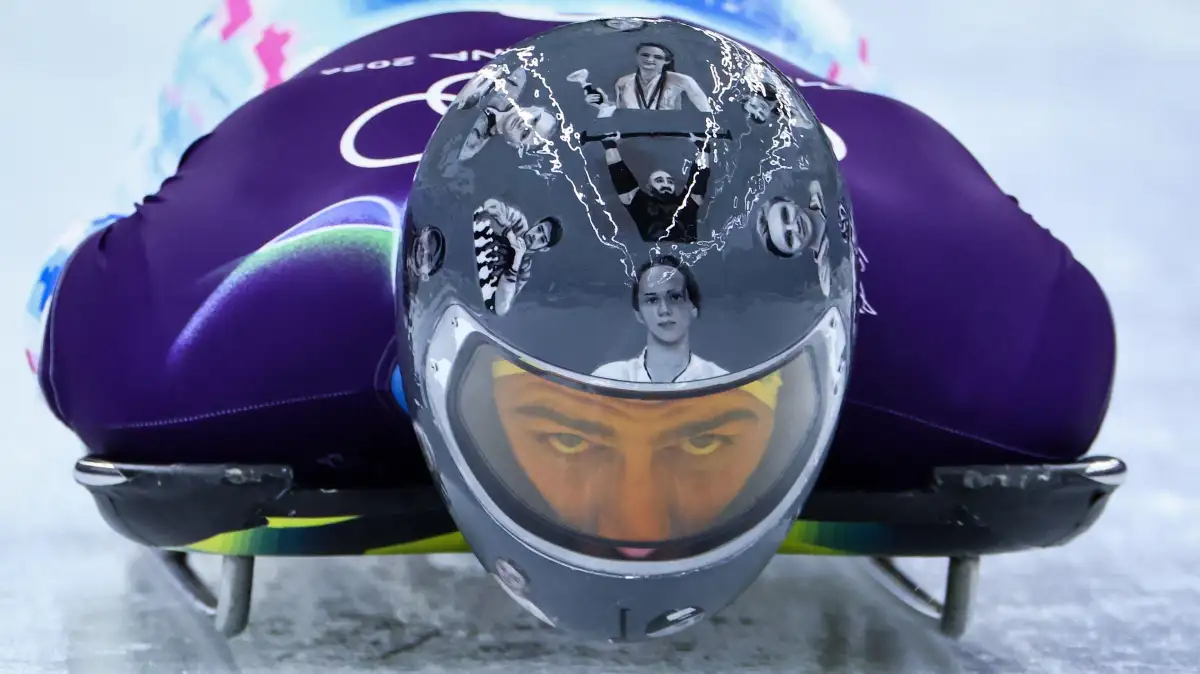
The International Olympic Committee (IOC) has banned Ukrainian skeleton racer Vladyslav Heraskevych from competing with a helmet that features images of athletes killed in the ongoing war in Ukraine. The decision stems from the IOC's interpretation of Rule 50.2 of the Olympic Charter, which prohibits political, religious, or racial propaganda in Olympic venues. Heraskevych maintains his tribute is an act of remembrance and not a political statement, leading to a standoff with the IOC.

Timeline of Events and Key Actors
The situation unfolded as Vladyslav Heraskevych, a 26-year-old Ukrainian skeleton athlete, prepared for the Winter Olympics.

Initial Use and IOC Engagement: Heraskevych began wearing a helmet adorned with images of Ukrainian athletes who have died during Russia's invasion. The IOC's president, Kirsty Coventry, met with Heraskevych to discuss the matter.
IOC's Stance and Offer: The IOC stated that the helmet contravened guidelines regarding political symbols and offered Heraskevych a compromise: wearing a black armband as a sign of remembrance. This offer was extended despite the IOC's general stance against armbands, indicating a willingness to find a solution.
Heraskevych's Refusal and Defiance: Heraskevych rejected the armband proposal, asserting his right to honor his fallen compatriots. He continued to wear the helmet during official training sessions, declaring his intention to wear it during the competition.
Ukrainian Support: The Ukraine Olympic Committee officially requested permission for Heraskevych to wear the "helmet of remembrance." Ukrainian President Volodymyr Zelenskyy publicly supported Heraskevych's actions.
IOC's Formal Ban: The IOC formally banned the helmet, citing Rule 50.2 of the Olympic Charter, which prohibits demonstrations or propaganda of any kind.
Rule 50.2 and Interpretations
Rule 50.2 of the Olympic Charter states: "No kind of demonstration or political, religious or racial propaganda is permitted in any Olympic sites, venues or other areas."
The IOC views the helmet's imagery as a violation of this rule, deeming it a form of political statement.
Heraskevych and the Ukrainian delegation argue that the helmet is a memorial and not political propaganda. They highlight instances of other athletes displaying personal tributes without facing sanctions.
Contrasting Athlete Tributes
Heraskevych's case brings to light past incidents where athletes have displayed personal tributes, leading to questions about the IOC's consistent application of its rules.
| Athlete Example | Nature of Tribute | IOC Action | Heraskevych's Claim |
|---|---|---|---|
| Vladyslav Heraskevych | Helmet with images of deceased Ukrainian athletes. | Banned; offered armband as compromise. | Claims his tribute is about remembrance, not politics, and questions selective enforcement. |
| Maxim Naumov (Figure Skater) | Held a photo of parents killed in a plane crash. | No reported sanctions. | Points to this as evidence that personal tributes are sometimes permitted. |
| Unspecified Athlete(s) | Displayed Russian flags or made political statements during events. | Reportedly faced no sanctions. | Argues that similar actions by others were not deemed violations, questioning the ban on him. |
Heraskevych's Position and Motivation
Heraskevych has expressed a strong commitment to honoring his deceased fellow athletes, even at the risk of disqualification.
Read More: FIFA World Cup 2026 Revenue Reaches $15 Billion With New Ticket Prices
"Some things are more important than sports," Heraskevych stated, underscoring his belief in the significance of his tribute.
He has articulated a sense of betrayal by the IOC, feeling that the organization is "betraying those athletes who were part of the Olympic movement, not allowing them to be honored."
Heraskevych mentioned specific individuals depicted on his helmet, including national teammate Dmytro Sharper and boxer Maksym Halinichev.
IOC's Rationale and Compromise Efforts
The IOC has emphasized its adherence to the Olympic Charter and its efforts to find a middle ground.
Kirsty Coventry, IOC president, met with Heraskevych, suggesting a desire to understand and address his concerns respectfully.
The IOC stated its keenness for Heraskevych to compete, indicating that the ban was not arbitrary.
The offer of a black armband was presented as a compromise to allow for remembrance without violating Rule 50.2.
The IOC spokesperson, Mark Adams, confirmed that the helmet contravened IOC guidelines about political symbols.
Broader Context of Conflict and Sports
The situation occurs against a backdrop of global conflicts and the complex relationship between sports and politics.
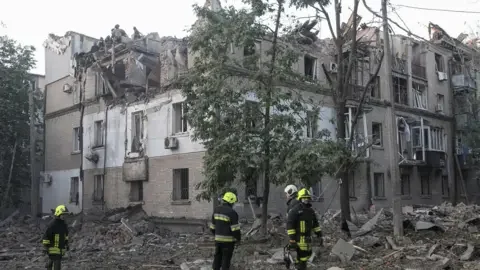
Ukraine's foreign ministry reported that over 650 Ukrainian athletes and coaches have been killed since Russia's full-scale invasion.
The IOC has cleared 13 Russian and 7 Belarusian athletes to compete as Individual Neutral Athletes, a decision that has also drawn scrutiny.
The IOC noted that "130 conflicts going on in the world," suggesting an awareness of the widespread geopolitical tensions impacting sports.
Conclusion and Implications
The ban on Vladyslav Heraskevych's helmet highlights the persistent challenge of navigating political expression within the apolitical framework of the Olympic Games.
Heraskevych's stance, supported by the Ukrainian government, underscores a deep-seated need for national remembrance and acknowledgment of sacrifice.
The IOC's rigid application of Rule 50.2, coupled with Heraskevych's perception of inconsistent enforcement in other cases, raises questions about fairness and transparency.
The IOC's offer of a black armband, while a concession, was insufficient for Heraskevych, who views his helmet as a more direct and meaningful tribute.
The situation forces a re-examination of how the Olympic movement balances its commitment to political neutrality with the personal and national expressions of its athletes during times of conflict.
Sources Used:
The Guardian: https://www.theguardian.com/sport/2026/feb/11/ukrainian-skeleton-athlete-helmet-protest-winter-olympics-ban
CNN: https://edition.cnn.com/2026/02/10/sport/heraskevych-ukraine-helmet-olympics-ban
CBS News: https://www.cbsnews.com/news/winter-olympics-ukraine-russia-war-vladyslav-heraskevych-skeleton-racer-helmet/
Associated Press: https://apnews.com/article/ukraine-helmet-tribute-olympics-skeleton-c033a6f6a8a3ebcc86224d2c37344e8a
USA Today: https://www.usatoday.com/story/sports/olympics/2026/02/10/ioc-bans-heraskevych-helmet-ukraine-olympics-skeleton-war-russia/88607918007/
Euronews: https://www.euronews.com/2026/02/10/ioc-bans-ukrainian-olympians-helmet-honouring-war-fallen-athletes
BBC Sport: https://www.bbc.co.uk/sport/articles/c6274mgve33o
RBC Ukraine: https://newsukraine.rbc.ua/news/ioc-bans-heraskevych-s-helmet-honoring-fallen-1770677675.html