OIL TERMINAL HIT AMID RISING TENSIONS
Iran has apparently targeted a facility producing jet fuel destined for the United Kingdom. Reports indicate an oil tanker, loaded with crude, was struck and set ablaze. This event, occurring in the midst of heightened regional hostilities, has cast a shadow over the stability of fuel supplies. The direct implications for Britain are still being assessed, but the disruption at a key energy node raises immediate concerns.
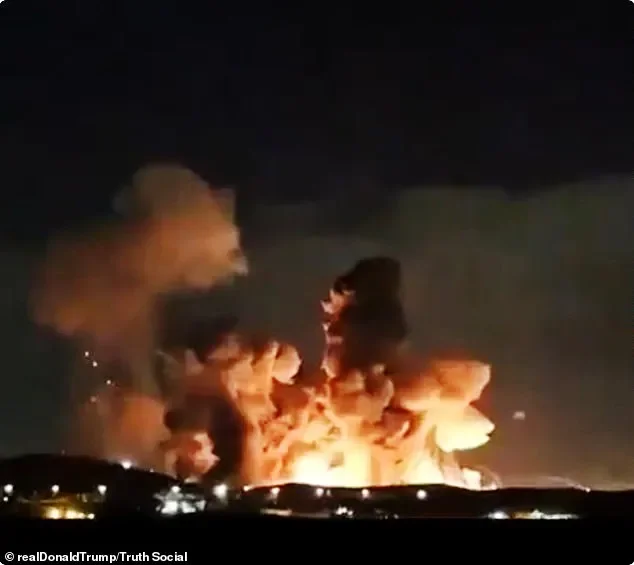
The strikes, reportedly by Iran, hit a plant manufacturing jet fuel intended for Britain. An oil tanker was also ablaze following an attack. This development underscores the escalating friction in the region and its potential to disrupt critical international trade routes. While the full scope of the impact remains unclear, the targeting of fuel production infrastructure points to a deliberate effort to affect global energy flows.
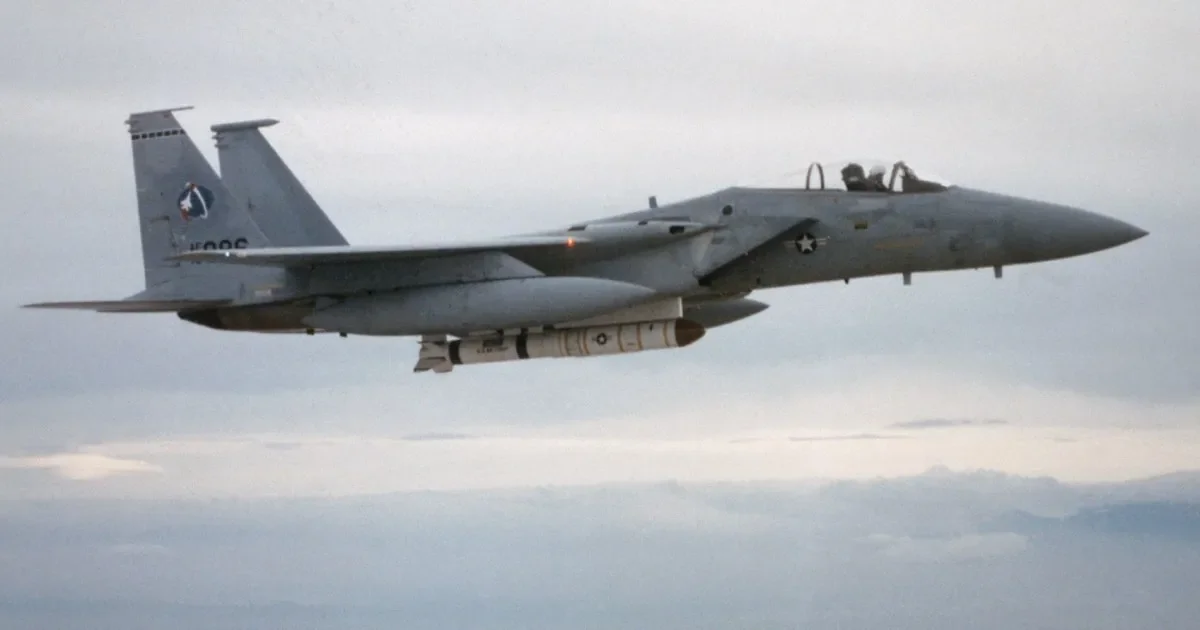
Read More: US F-15E Jet Crashes in Iran Friday, One Pilot Rescued
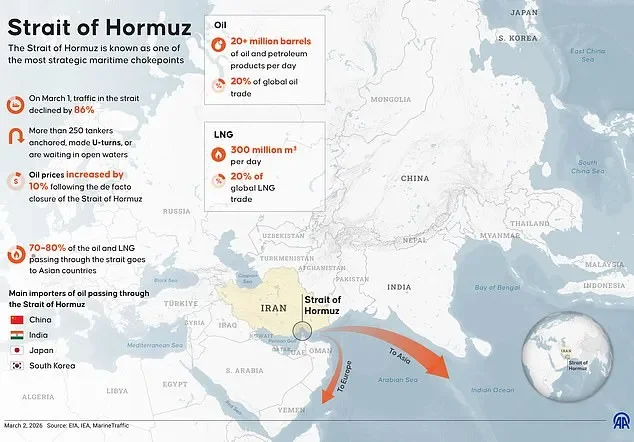
Supply Chains Under Strain
The ramifications of such actions extend beyond immediate availability. Analysts point to the fragility of aviation fuel systems, a point highlighted by the increased diesel prices at UK forecourts. Average prices have seen a significant jump since late February, a trend that could be exacerbated by further disruptions.
"Authorities in Dubai on Tuesday said Iran had attacked and set ablaze a fully loaded crude oil tanker."
While a global jet fuel collapse is considered "extremely unlikely," the events expose vulnerabilities. The capacity of refineries to rapidly adjust production is limited, meaning any significant interruption could lead to short-term shortages and price volatility.

International Posturing and Defence Deployments
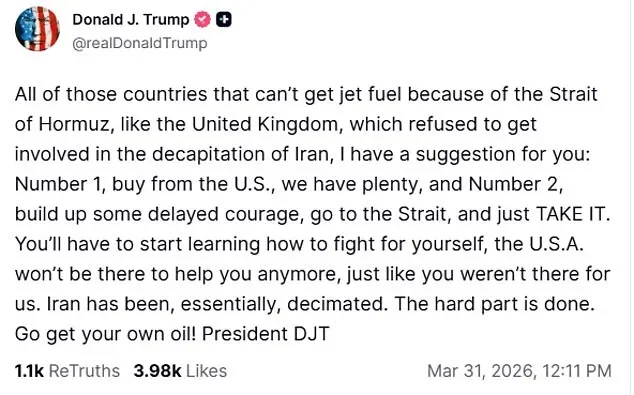
Amidst these events, Donald Trump has reiterated calls for other nations to "step up" their involvement in securing routes like the Strait of Hormuz. His pronouncements, often delivered via social media, suggest a broader expectation of international cooperation in managing regional security.
The United Kingdom itself has taken steps to bolster its defences. This includes deploying warplanes to locations like Cyprus and Qatar. These moves are framed as measures to reinforce national defences should tensions escalate further, particularly in response to potential Iranian counterattacks.
Read More: Philippines Energy Emergency: Fuel Reserves Low, Prices High After Iran Conflict
"The UK is not thought to be preparing to support the US in any military offensive against Iran, but has deployed six F-35 warplanes to Cyprus, and sent four Typhoon jets to Qatar, as part of efforts to bolster its own defences should an attack occur."
Discussions surrounding the use of British bases, such as Diego Garcia and RAF Fairford, for potential US operations against Iran have surfaced. However, reports suggest the UK has not formally agreed to allow such strikes from its territory.
Background: A Shifting Geopolitical Landscape
The current tensions are rooted in a complex interplay of regional rivalries and international interventions. Iran has issued explicit warnings against foreign military support for Israel, identifying forces of the United States, United Kingdom, and France in the region as legitimate targets if they interfere with retaliatory actions. This threat signals Tehran's intent to deter further external involvement in its ongoing disputes. The US, with its extensive military presence in the Middle East, finds itself at the centre of these strategic calculations.
Read More: US Helicopters Hit Near Iran Border During Rescue, Reports Say
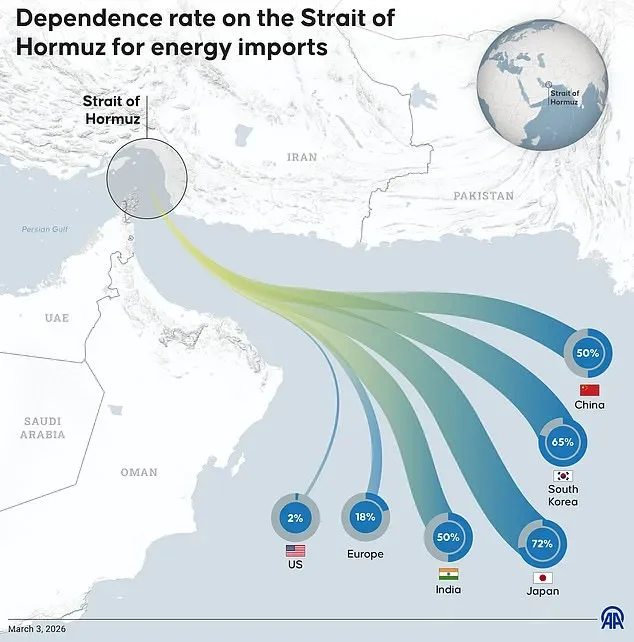
The events also highlight the intricate relationship between the UK and the US regarding military cooperation. While the UK asserts its independent stance on allowing its bases to be used for offensive operations, it simultaneously deploys its own air assets to the region, signaling a commitment to regional stability and its own security interests. The economic implications, including the potential for rationing of fuel and even food, remain a significant undercurrent, drawing attention to the vulnerability of nations reliant on the free passage of goods through critical maritime chokepoints like the Strait of Hormuz.