MANILA — The Philippines has formally declared a state of national energy emergency, signaling a grave depletion of fuel reserves and signaling the cascading economic pressures of a protracted conflict involving Iran. The declaration, made Tuesday, grants the government enhanced authority to manage dwindling supplies and mitigate wider economic destabilization. Energy Secretary Sharon Garin indicated that the nation possessed roughly 45 days of fuel remaining, a figure underscoring the urgency of the situation.

The Philippine government's declaration of a national energy emergency directly stems from severe disruptions to global oil deliveries and soaring prices attributed to the ongoing war involving Iran. This move places the Philippines at the forefront of an unfolding energy crisis gripping Asian nations, many of whom are staunch US allies navigating the perilous economic fallout from the conflict. The administration of President Ferdinand Marcos Jr. is now empowered to pursue direct fuel purchases and implement stringent measures to ensure what it terms "energy stability."
Read More: Solaris Energy SEI Stock Price Forecast Reaches $91.98 by July 2027
WIDESPREAD DISCONTENT AND TRANSPORT STRIKES
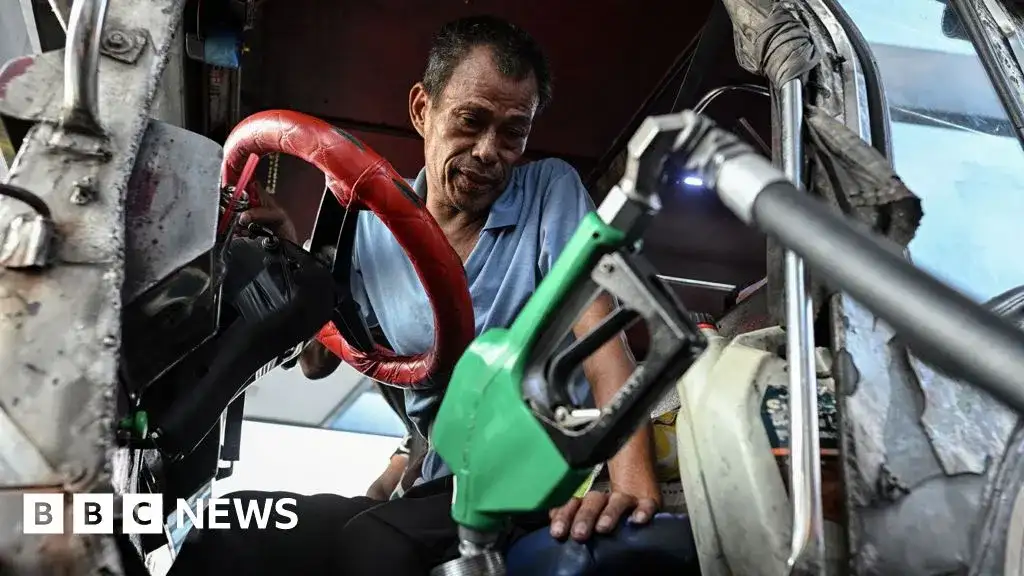
The gravity of the fuel shortage has ignited public frustration, manifesting in planned nationwide transport strikes. Over 20 transport organizations, representing a significant portion of public utility vehicle operators, are set to conduct a two-day work stoppage this Thursday and Friday. Their demands are direct: a reduction in fuel prices, suspension of fuel excise taxes, and an adjustment in fare rates to reflect current economic realities. Leaders like Mar Valbuena, chairman of the transport group Manibela, have voiced widespread discontent, lamenting a perceived lack of government responsiveness to their grievances.
GEOPOLITICAL RECALIBRATIONS AND DEPENDENCIES
The crisis has also sharpened geopolitical focus, with reports suggesting a potential acceleration of ties between Manila and Beijing. President Marcos Jr. has alluded to the possibility of reaching agreements with China regarding disputed energy resources in the South China Sea, a proposition gaining traction in the context of strained energy access. This potential shift comes as China, leveraging its resources and diplomatic maneuvering, is perceived to be in a position to court US allies facing economic strain.
Read More: Philippines uses Starlink satellites for cell service
Meanwhile, the Philippine Coast Guard's interaction with its Chinese counterpart, concerning confidence-building measures in the South China Sea, has drawn scrutiny. Critics point to the subordination of the Coast Guard to civilian authority, suggesting that such initiatives might serve broader geopolitical strategies influenced by external powers.
GLOBAL CONTEXT AND FUTURE UNCERTAINTIES
The Philippines is not alone in confronting these economic tremors. Across Asia and beyond, nations are implementing "fuel austerity" measures. China has reportedly restricted overseas fuel shipments to safeguard domestic inventories. Japan, for instance, has announced plans to release oil from its emergency reserves. Experts caution that even an eventual cessation of hostilities will likely be followed by lingering effects of production halts and infrastructure damage, continuing to impact oil and gas supply chains globally.
The current predicament for the Philippines highlights its inherent vulnerability, characterized by a lack of strategic energy reserves and a heavy reliance on private importers and overseas refinery capacity. The unfolding situation echoes earlier patterns of economic disruption experienced by US allies during periods of geopolitical tension, suggesting a recurring theme of unintended consequences impacting nations aligned with US foreign policy initiatives.
Read More: Summer AC Settings: Save Money by Raising Thermostat