Ukraine appears to be escalating its attacks, hitting Russian oil facilities and advancing deeper into Russian territory with drones. These strikes, targeting infrastructure up to 2,000 kilometers from the Ukrainian border, coincide with reports of record monthly losses for Russia, potentially exceeding its recruitment capacity. The Ukrainian military's utilization of drones has become a defining element, disrupting Russian communications and posing a significant challenge to their coordination.
Drone Warfare Redefines Front Lines
The strategic deployment of drones marks a significant tactical shift. Ukraine's growing superiority in drone warfare, coupled with the disruption of Russian internal communications and the alleged dismantling of Starlink terminals in occupied areas, has reportedly weakened Russian troop coordination across the front.
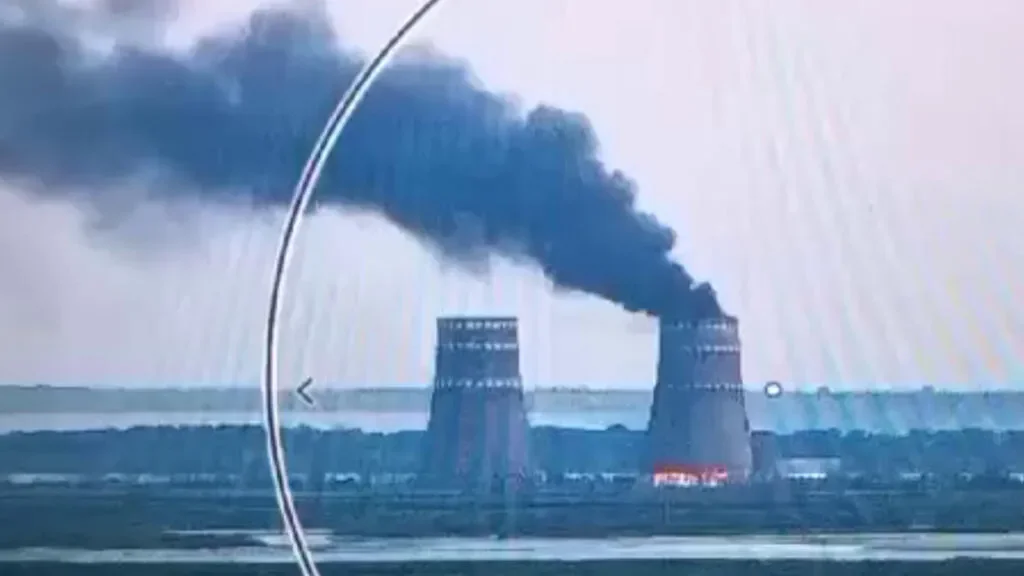
Zaporizhzhia Nuclear Plant Faces Drone Strikes
The Zaporizhzhia nuclear power plant, currently under Russian control, has been struck by drones. The International Atomic Energy Agency (IAEA) confirmed the incidents, which reportedly caused a breach in a machine room wall but did not damage essential equipment. An earlier attack also targeted the plant's transport workshop. The plant's location on the Dnieper River places it on a natural front-line boundary between Ukrainian and Russian forces.
Read More: Russia's attacks up 37% in May, but Ukraine land gains stop
Conflict Stalemate Persists
More than four years into the conflict, the war between Russia and Ukraine remains largely a war of attrition, characterized by entrenched positions. Moscow continues to demand recognition of its annexation of Ukrainian territories, Ukraine's military neutrality, and an end to Western support. The conflict has devolved into a protracted struggle mired in the difficult terrain of Eastern Europe.