
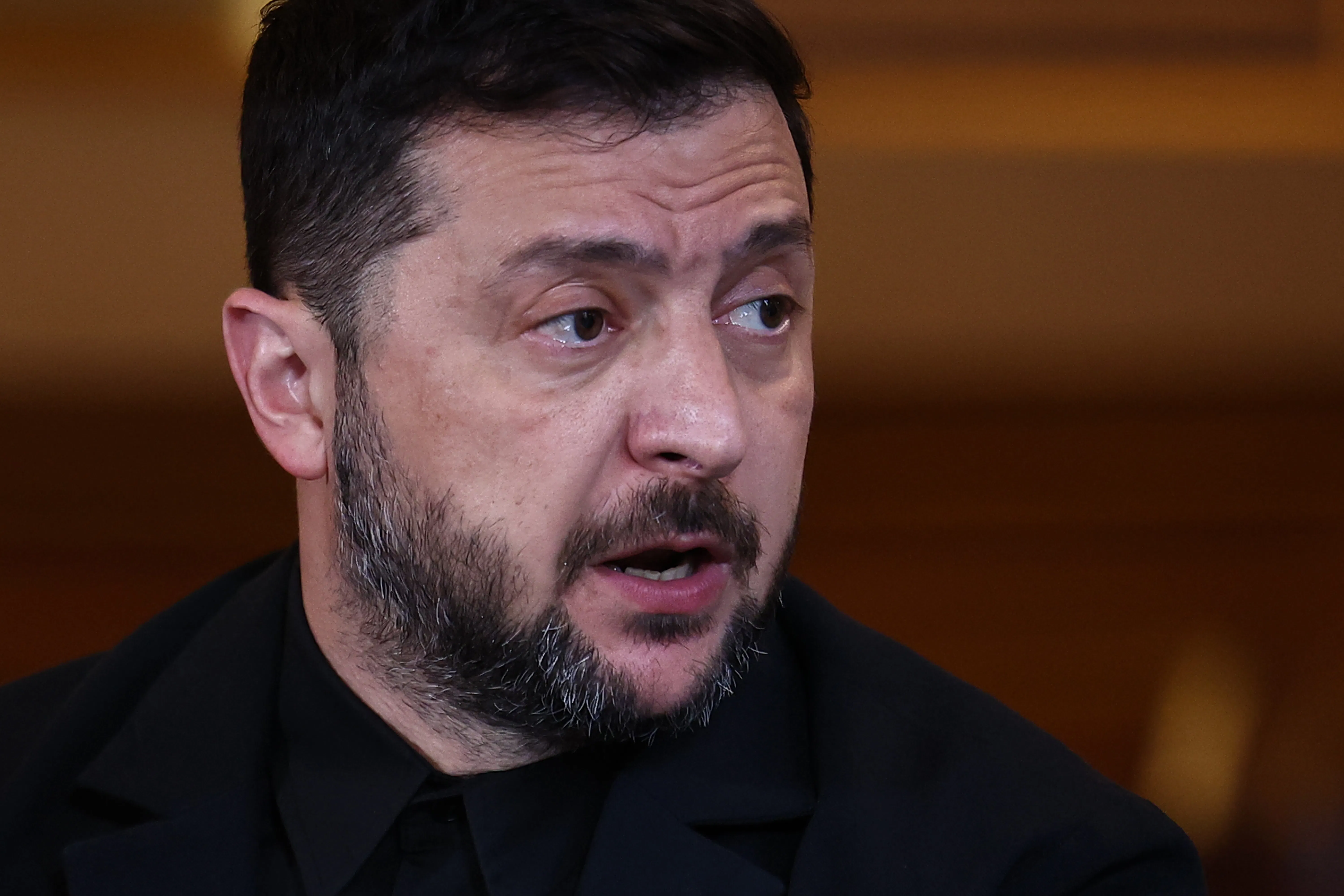
As of May 20, 2026, the kinetic struggle between Ukraine and Russia has evolved into a war of attrition centered on critical energy infrastructure. President Volodymyr Zelenskyy has intensified a campaign of long-range drone strikes aimed at degrading Russia’s ability to process and export crude oil. These actions are positioned by Kyiv as direct, punitive measures following intensified Russian bombardments of Ukrainian civilian and energy targets.
Ukrainian military operations have successfully compromised an estimated 20% of Russia’s total oil refining capacity since early 2025. The impact of these strikes is visible across the Russian interior, where local fuel shortages and disrupted supply chains have forced the state to redistribute refinery output.
| Impact Area | Status/Effect |
|---|---|
| Refining Capacity | Reduced by approx. 20% |
| Operational Scale | 21 of 38 major refineries hit |
| Economic Lever | Constraints on crude export revenue |
The Calculus of Retaliation
The escalation cycle has reached a state of perpetual response. Following the recent destruction of a Kyiv residential building that resulted in 24 fatalities, Zelenskyy formally vowed that such acts would not "go unpunished." In the immediate aftermath, Ukrainian drones hit the Ryazan oil refinery, a facility critical to domestic fuel stability.
Read More: Russia's attacks up 37% in May, but Ukraine land gains stop
"We hit a certain number of their refineries; they've got a problem. When they started to restore and saw the queues of cars, they redistributed the volumes to other refineries." — Volodymyr Zelenskyy
The objective, as stated by Security Service (SBU) sources, remains two-pronged:

Military Neutralization: Choking off fuel supplies destined for the front lines.
Economic Attrition: Reducing the hard currency Export Revenues that fund the Russian state’s invasion.
Global Pressures and Infrastructure
While Ukraine pushes to degrade the Russian energy sector, the geopolitical context remains strained. Earlier this spring, Zelenskyy acknowledged that some international allies had urged a scaling back of these strikes, citing concerns over a volatile global fuel market. Despite these requests, the Ukrainian position is that these tactical attacks will only cease if Russia terminates its systematic targeting of Ukraine’s power grid and grain infrastructure.
The fragility of the current situation is underscored by the reliance of global markets on Russian energy exports. While nations like China and India continue to purchase Russian crude, and European states remain tethered to specific gas streams, the disruption to Russia's refined product exports creates a complex ripple effect that neither side shows a willingness to pause.
Read More: Solaris Energy SEI Stock Price Forecast Reaches $91.98 by July 2027
Background ContextThe campaign against Russian oil assets became a primary Military Doctrine shift in 2025. This strategy serves as an asymmetric counter to the ongoing Russian destruction of Ukraine's energy network. With Ukraine now relying on external fuel imports via Poland, Greece, Lithuania, and Turkey, the protection of domestic power assets has become as vital as the degradation of Russian refining capability.