A somber ruling has ended Ukrainian skeleton athlete Vladyslav Heraskevych's bid to compete in the Milan Cortina Olympics, following a denial of his appeal to wear a helmet honoring those lost in the war with Russia. The decision, by the Court of Arbitration for Sport (CAS), centers on the International Olympic Committee's (IOC) rules against political expression. Heraskevych had used the helmet to display the faces of over 20 athletes and coaches killed since the invasion. His disqualification, initially issued shortly before competition, now stands.
Background
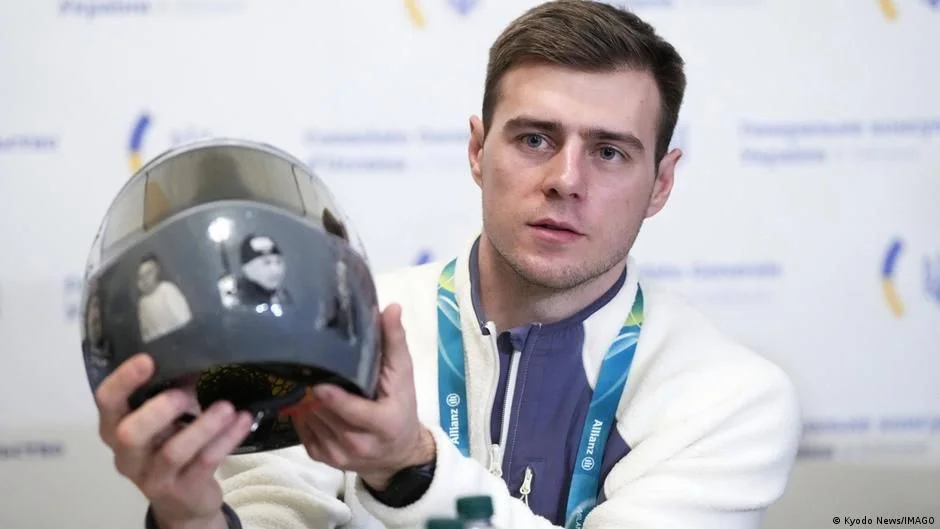
Vladyslav Heraskevych, a skeleton athlete representing Ukraine, was disqualified from the Milan Cortina Olympics on Thursday, February 13th, 2026. The cause for his removal from the competition was his intention to wear a specially designed helmet during the races. This helmet featured images of more than 20 Ukrainian athletes and coaches who have died since Russia's full-scale invasion of Ukraine. Heraskevych had used the helmet during training runs leading up to the event.
The International Olympic Committee (IOC) cited Rule 50 of the Olympic Charter, which prohibits "any kind of demonstration or political, religious or racial propaganda in any Olympic sites, venues or other areas," as the basis for the disqualification. Heraskevych maintained that his helmet was a tribute and a remembrance, not a political statement.
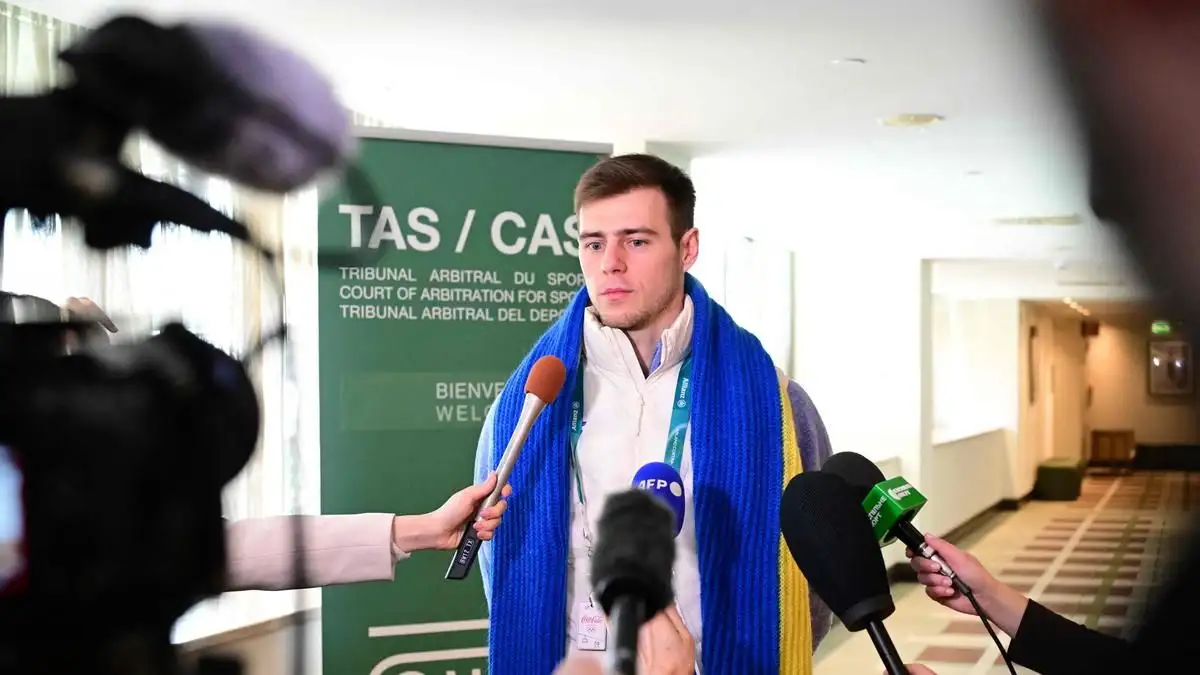
Following his disqualification, Heraskevych pursued an appeal through the Court of Arbitration for Sport (CAS), the highest sports court. The appeal was heard on Friday, February 14th, 2026.
Read More: Ben Simmons Olympic Return Rumors for 2026 Games

Evidence Presented
Disqualification Notice: Heraskevych was disqualified approximately 45 minutes before the start of the competition on Thursday.
IOC Stance: IOC President Kirsty Coventry reiterated that the disqualification was justified because Heraskevych insisted on bringing his "messaging" to the field of play. She also met with Heraskevych on Thursday.
Heraskevych's Position: Heraskevych stated his helmet was a "remembrance, not a political statement" and intended to wear it throughout the competition. He also noted seeing prohibited Russian flags at events, despite the IOC's policy.
CAS Ruling: The CAS, through a sole arbitrator, denied Heraskevych's appeal, siding with the IOC's policy.
Accreditation Issues: Heraskevych reported his accreditation being revoked and then returned on Thursday, which he found "puzzling." The CAS did agree he should keep his accreditation.
Helmets and Symbolism
Heraskevych's helmet was a focal point of the controversy. It bore images of over 20 Ukrainian athletes and coaches killed in the conflict. This visual display was central to the IOC's determination that it violated their rules on political expression. Heraskevych, however, saw it as a way to honor the fallen and ensure their memory was not forgotten during the Games.
"I think it’s the wrong side of history for the IOC."
— Vladyslav Heraskevych
The IOC, through Kirsty Coventry, has emphasized the need to control the messages athletes share. The organization's Rule 50 is the primary policy cited in these instances.
The Legal Challenge
Heraskevych took his case to the Court of Arbitration for Sport (CAS), the ultimate judicial body in international sports. He presented his arguments on why he believed he should be allowed to compete with his tribute helmet. The CAS, however, ultimately upheld the IOC's decision.
Read More: 22 Civilians Killed in Russian Missile Attack on April 7 2026
"CAS did agree that Heraskevych should keep his accreditation. Sole arbitrator had no choice but to side with IOC policy."
— Reporting on the CAS decision
While the CAS denied the appeal regarding the disqualification itself, it did rule that Heraskevych should retain his accreditation for the Games. This aspect of the ruling has been described as puzzling by some observers, given the disqualification from competition.
Broader Reactions
The decision and Heraskevych's disqualification have elicited reactions beyond the immediate legal proceedings.
Fan Support: Fans wearing Ukrainian flags expressed disappointment with the ruling but showed support for Heraskevych.
Teammate Solidarity: Fellow Ukrainian lugers knelt and held up their helmets in a show of support for Heraskevych.
Presidential Recognition: Ukrainian President Volodymyr Zelenskyy awarded Heraskevych the Order of Liberty for his "selfless service to the Ukrainian people, civic courage and patriotism in upholding the ideals of freedom and democratic values."
Heraskevych himself appeared to accept the finality of the decision, stating, "Looks like this train has left."
Expert Analysis
The case highlights a persistent tension between athletes' desire for personal expression and the IOC's strict policies on political statements during the Olympics. Kirsty Coventry, as IOC President, has consistently voiced the organization's position on maintaining a neutral environment. The CAS's decision to uphold the IOC policy suggests a firm adherence to Rule 50, even when the expression is intended as a memorial.
Read More: Olympian Eyes MCG Slide After Paris Games
"Meanwhile, his disqualification was justified because he insisted on bringing his messaging — a tribute helmet — onto the field of play, International Olympic Committee President Kirsty Coventry reiterated on Friday."
— Article 6, The Hindu
The ruling implies that the intent of the athlete, while understood, does not supersede the IOC's interpretation of its rules regarding what constitutes permissible expression within the Olympic framework.
Conclusion and Implications
The Court of Arbitration for Sport's denial of Vladyslav Heraskevych's appeal signifies the end of his participation in the Milan Cortina Olympics. The decision reinforces the IOC's stance on Rule 50, prioritizing a politically neutral environment over individual athlete expressions, even those with deeply personal and commemorative meaning.
While Heraskevych will not compete, his actions have brought attention to the plight of those affected by the war in Ukraine and the complexities of athlete expression within international sports governance. The incident underscores the challenges faced by athletes who wish to use their platform for remembrance or advocacy within the stringent guidelines of bodies like the IOC. The return of his accreditation, juxtaposed with his disqualification, presents a complex outcome that warrants further observation of how such situations are handled in future sporting events.
Read More: Ukraine gets 100 Patriot missiles with $1 billion EU loan for defense
Key Findings:
Heraskevych's appeal to wear a tribute helmet was denied by CAS.
The disqualification was based on IOC's Rule 50 regarding political expression.
Heraskevych viewed the helmet as a memorial, not a political act.
CAS upheld the IOC policy, though Heraskevych's accreditation was restored.
Implications: The ruling reaffirms the IOC's strict interpretation of its rules on athlete expression and the potential consequences for those who deviate from them. It also highlights the ongoing debate about the boundaries of political speech in sports.
Sources Used
USAToday: https://www.usatoday.com/story/sports/olympics/2026/02/13/ukrainian-athlete-court-appeal-denied-vladyslav-heraskevych-helmet-honoring-war-dead/88662123007/ (Article 1) - Provided details on Heraskevych's intent, the helmet's imagery, and the disqualification.
CBC Sports: https://www.cbc.ca/sports/olympics/winter/ukrainian-skeleton-athlete-heraskevych-s-appeal-denied-by-court-of-arbitration-9.7088093 (Article 2) - Detailed the CAS ruling, accreditation issue, and Heraskevych's puzzlement.
AP News: https://apnews.com/article/ukraine-helmet-olympics-ioc-e30925eeee2bb557ab22e2671070e856 (Article 3) - Focused on Heraskevych taking his case to the highest court and the CAS agreement on accreditation.
CNN: https://www.cnn.com/2026/02/13/sport/ukrainian-skeleton-reinstated-vladyslav-heraskevych-olympics (Article 4) - Reported on the disqualification timing, IOC's reasoning, fan reactions, and presidential recognition.
New York Post: https://nypost.com/2026/02/13/sports/vladyslav-heraskevychs-olympic-disqualification-for-helmet-tribute-upheld/ (Article 5) - Explained the IOC's Rule 50, Heraskevych's acceptance of fate, and his view on the IOC's position.
The Hindu: https://sportstar.thehindu.com/other-sports/vladyslav-heraskevych-ukraine-winter-games-helmet-cas-appeal-disqualification-milan/article70628141.ece (Article 6) - Included Coventry's reiteration of justification and discussion of how messages are shared.