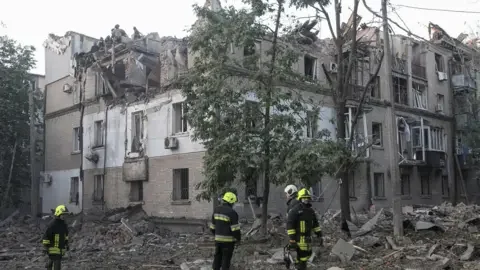
The exclusion of Ukrainian skeleton racer Vladyslav Heraskevych from the Milano Cortina Winter Games, over a helmet design honoring athletes killed in Russia's invasion, has triggered sharp criticism from Ukraine's leadership and ignited debate about the International Olympic Committee's (IOC) role in politically charged events. Heraskevych, who was prevented from competing after refusing to alter the helmet's design, has accused the IOC of fueling Russian propaganda. Ukraine's President Volodymyr Zelensky has publicly denounced the IOC's decision, with government officials threatening legal action and questioning the organization's impartiality.
Timeline of Events and Key Players
The controversy unfolded rapidly in the days leading up to Heraskevych's scheduled competition.

Initial Stance: Ukrainian skeleton racer Vladyslav Heraskevych expressed his intention to compete using a helmet that featured a tribute to Ukrainian athletes killed in the ongoing conflict with Russia. This design was considered by the IOC to be a violation of its rules regarding political or symbolic statements.
IOC Intervention: The IOC, through its president Kirsty Coventry, engaged in direct talks with Heraskevych in a bid to find a resolution. These meetings, described as last-ditch attempts, occurred on the morning of his competition.
Offers and Rejections: The IOC proposed alternatives, including allowing Heraskevych to wear a plain black armband or to carry his helmet into the post-race press area (mixed zone). Heraskevych rejected these proposals, asserting his desire to honor fallen athletes directly.
Disqualification: Following Heraskevych's refusal to change his helmet, the IOC's disciplinary commission officially withdrew his accreditation, barring him from competing.
Ukrainian Response: Ukraine's government reacted swiftly and strongly. President Zelensky publicly condemned the IOC's decision. The Ministry of Foreign Affairs called the disqualification a blow to the IOC's reputation, and the Ministry of Sports threatened legal action.
IOC Justification: An IOC spokesperson, Mark Adams, stated that the organization could not take a stand on every global conflict, citing approximately 130 ongoing conflicts worldwide.
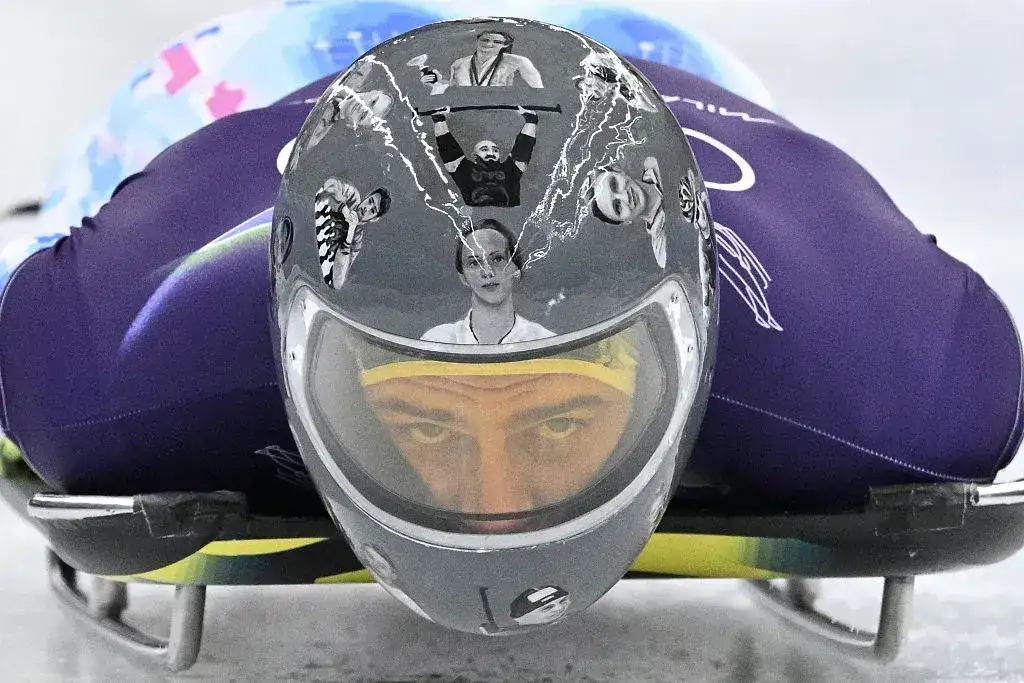
The Contested Helmet and Its Imagery
The focal point of the dispute is the helmet worn by Vladyslav Heraskevych.

Design Elements: The helmet featured imagery intended to commemorate Ukrainian athletes who have lost their lives as a result of Russia's full-scale invasion.
Athlete's Intent: Heraskevych articulated his intention as an act of remembrance and honor for his fellow athletes, stating, "People are still dying and this is not good." He viewed his helmet not as a violation but as a necessary tribute.
IOC's Interpretation: The IOC maintained that the helmet's design contravened their regulations, which generally prohibit political or propaganda statements during the Games.
Conflicting Views on Neutrality and Expression
The incident highlights a recurring tension between the IOC's mandate for political neutrality and athletes' desires to express their personal convictions amidst global events.
Read More: Ben Simmons Olympic Return Rumors for 2026 Games

The IOC's Position
The IOC emphasized its commitment to remaining apolitical, even in the face of significant geopolitical conflicts.
Global Conflicts: IOC spokesperson Mark Adams noted the widespread nature of global conflicts, implying a challenge in policing such expressions universally.
Alternative Offers: The IOC presented its alternative proposals—an armband or carrying the helmet—as attempts to accommodate Heraskevych's sentiment without violating its rules.
Focus on Respectful Dialogue: While stating the disciplinary commission made the decision, the IOC also acknowledged a "respectful conversation" between Heraskevych and Kirsty Coventry, suggesting an effort to find common ground.
Ukraine's Accusations
Ukraine's government and its athletes have accused the IOC of hypocrisy and of indirectly supporting Russia's narrative.
"Hypocrisy" Claim: Heraskevych himself stated he does not believe his helmet violated IOC rules and criticized the organization for what he perceived as hypocrisy.
Fueling Propaganda: Heraskevych also claimed the IOC's actions were inadvertently "fuelling Russia's propaganda."
Blow to Reputation: Ukraine's Foreign Minister, Andrii Sybiha, described the disqualification as damaging to the IOC's standing.
Diplomatic and Legal Repercussions
The disqualification has prompted strong reactions from Ukrainian officials, including elevated state honors and threats of legal challenges.
Presidential Award: President Zelensky awarded Vladyslav Heraskevych the Order of Freedom, a high state honor, recognizing his actions.
Ministerial Statements: Ukraine's Sports Minister, Matvii Bidnyi, confirmed plans to appeal the disqualification and, alongside the Foreign Minister, strongly denounced the IOC's decision.
Fan Dismay: Ukrainian fans present at the skeleton venue also expressed their displeasure with the IOC's ruling.
Conclusion: A Clash of Principles
The disqualification of Vladyslav Heraskevych has underscored the difficult balance the IOC faces in navigating the intersection of sport, politics, and human rights. While the IOC maintains its stance on neutrality and adherence to established rules, Ukraine views the decision as a suppression of legitimate expression during a time of national crisis. The offer to allow Heraskevych to retain his accreditation despite his disqualification suggests an attempt by the IOC to mitigate the fallout, yet the fundamental disagreement over the helmet's symbolism remains. Ukraine's threat of legal action indicates a potential for further international scrutiny of the IOC's decision-making processes.
Read More: 22 Civilians Killed in Russian Missile Attack on April 7 2026
The Kyiv Independent: Published 1 day ago. Provides details on President Zelensky awarding Heraskevych the Order of Freedom and the Foreign Minister's comments.🔗 https://kyivindependent.com/ukrainian-skeleton-racer-disqualified-at-olympics-for-helmet-honoring-athletes-killed-in-russias-war/
RFI: Published 17 hours ago. Reports on President Zelensky's criticism and fan reactions, detailing IOC President Kirsty Coventry's meeting with Heraskevych.🔗 https://www.rfi.fr/en/olympic-games/20260212-zelensky-blasts-olympics-ban-for-ukrainian-athlete-over-memorial-helmet
The Guardian: Published 1 day ago. Features Heraskevych's statement on the IOC fueling propaganda and quotes IOC spokesperson Mark Adams on global conflicts.🔗 https://www.theguardian.com/sport/2026/feb/12/ukraine-vladyslav-heraskevych-disqualified-winter-olympics-skeleton-helmet-protest-war-deaths?u
Le Monde: Published 1 day ago. Details Ukraine's denunciation of the ban, President Zelensky's criticism, and the Sports Minister's threat of legal action.🔗 https://www.lemonde.fr/en/international/article/2026/02/12/2026-winter-olympics-ukrainian-skeleton-racer-heraskevych-banned-over-memorial-helmet67504184.html
Al Jazeera: Published 1 day ago. Reports on Heraskevych's disqualification over the helmet depicting athletes killed in the war and his statement about missing his "Olympic moment."🔗 https://www.aljazeera.com/sports/2026/2/12/ukraines-heraskevych-disqualified-from-olympics-skeleton-over-helmet
AP News: Published 3 days ago. Covers Heraskevych's desire to compete with the helmet and the IOC's offer of a black armband as a compromise.🔗 https://apnews.com/article/ukraine-helmet-tribute-olympics-skeleton-c033a6f6a8a3ebcc86224d2c37344e8a
RTL Today: Published 17 hours ago. Details President Zelensky's remarks and IOC President Kirsty Coventry's unsuccessful attempts to persuade Heraskevych to change his helmet.🔗 https://today.rtl.lu/sport/international/zelensky-blasts-olympics-ban-for-ukrainian-athlete-over-memorial-helmet-1707858011