The 2026 Winter Olympics are proving to be a complex event, marked by surprising athletic victories alongside notable controversies and accusations. As nations vie for glory on the global stage, several incidents have drawn significant attention, shifting focus from pure sport to the governance and conduct within athletic competitions. These situations highlight the intense pressure and scrutiny inherent in elite-level sport.
The Vancouver Canucks beat the Edmonton Oilers in a hockey game.
The Maple Leafs lost to the Boston Bruins.
An Uneasy Climate on the Ice
Amidst the athletic competitions, a specific contest has generated notable friction. A round-robin match in men's curling between Canada and Sweden, the defending champions, resulted in Canada securing a victory. However, the outcome was not without its contentious moments. Reports suggest that accusations of cheating were made, and profanities were exchanged during the game. This exchange points to the high stakes involved even in the preliminary stages of the tournament.
Read More: Hockey Star Jocelyne Larocque Wants More Indigenous Athletes to Succeed
Canada defeated Sweden in men's curling.
The match was reportedly marred by accusations of cheating and profanities.
Beyond the Curling Match: A Spectrum of Incidents
The curling match is one of several events capturing attention for reasons beyond athletic achievement. Other incidents have raised questions and sparked debate:

Ski Jumping Suit Alterations: Allegations have surfaced regarding ski jumpers allegedly using reinforced thread in their jumpsuits to gain an advantage. Further reports suggested a more unusual tactic, with male ski jumpers purportedly injecting hyaluronic acid into their genitalia. This was reportedly to make them appear larger, influencing how their competition suits were measured and fitted, and consequently, how they were assessed for compliance with regulations. The International Ski and Snowboard Federation (FIS) has been noted as addressing gear screening with new rules and oversight.
FIS has introduced new rules and oversight for gear screening.
This follows reports of altered jumpsuits and alleged use of hyaluronic acid.
Ukrainian Skeleton Athlete's Helmet: Vladyslav Heraskevych, a Ukrainian skeleton athlete, was reportedly removed from the Olympics. His attempt to wear a helmet honoring athletes killed during Russia's invasion of his country is cited as the reason. This incident brings the geopolitical context into the sporting arena.
Vladyslav Heraskevych was reportedly removed from the Olympics.
The removal is linked to his intention to wear a helmet honoring fallen Ukrainian athletes.
Allegations in Other Sports: There are also mentions of broader accusations, including athletes being accused of injecting an acid serum into their genitalia, and a Norwegian athlete confessing to cheating on a partner, which he feared detracted from a teammate's success. The details surrounding these specific situations remain under scrutiny.
Reports mention allegations of athletes injecting an acid serum.
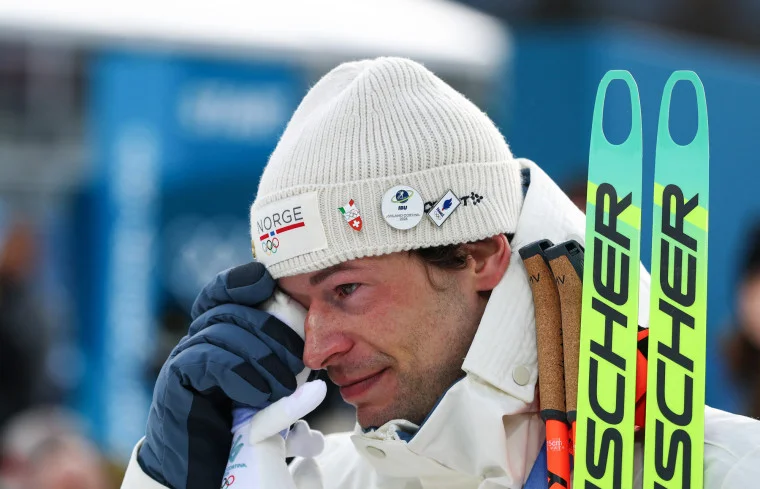
A Norwegian athlete admitted to infidelity, expressing concern about its impact on his team.
Examining the Claims
The array of incidents suggests a complex environment at the 2026 Winter Olympics. The allegations concerning ski jumping suits, if substantiated, point to a calculated attempt to manipulate equipment regulations. The use of reinforced threads and the described method involving hyaluronic acid are sophisticated means to circumvent technical rules. The FIS's stated intention to enhance gear screening and appoint an equipment expert indicates a proactive response to such concerns.
Read More: Many Couples Compete Together at the 2026 Winter Olympics

"We will also bring in a coordinator to oversee the gear screening, and former Austrian ski jumper Mathias Hafele will work as an equipment expert. It is part of the sport." – Bruno Sassi, FIS Spokesman, via Associated Press.
The situation involving Vladyslav Heraskevych presents a divergent type of controversy, rooted in political expression rather than athletic rule-breaking. His removal highlights the delicate balance between national identity, political statements, and the apolitical ideal often associated with the Olympic Games.
The accusation of cheating in the Canada-Sweden curling match, though less detailed in the provided information, is a direct claim of unsportsmanlike conduct during competition. The use of profanities suggests a breakdown in sportsmanship.
Expert Perspective and Broader Implications
These events, taken collectively, contribute to a narrative of a Winter Olympics grappling with multifaceted challenges. The incidents range from alleged technical rule violations to matters of athletic conduct and political expression.
Read More: Matt Weston Wins Gold in Skeleton for Team GB
Divergent Allegations: The nature of the claims varies significantly, from deliberate manipulation of sports equipment to interpersonal infidelity and accusations within a specific game.
Regulatory Scrutiny: The response from governing bodies, such as the FIS's increased oversight in ski jumping, suggests an awareness of potential infractions and a move towards stricter enforcement.
Olympic Ideals: The Ukrainian athlete's situation raises questions about the space for political expression within the Olympic framework and the enforcement of regulations concerning such displays.
Conclusion
The 2026 Winter Olympics are marked by a series of notable events that extend beyond the athletic performances. Allegations of rule-bending in ski jumping, the expulsion of a Ukrainian athlete, and accusations of unsportsmanlike conduct in curling are among the prominent issues. These situations underscore the intense scrutiny and complexities inherent in major international sporting events, necessitating thorough investigation and adherence to established rules and principles of fair play. The implications of these events may influence future regulations and the public perception of the Games.
Sources:
NBC News: Reports on Olympic events, including a curling match.
https://www.nbcnews.com/sports/olympics/sports-desk-new-olympic-cheating-scandal-rcna258409
USA Today (FTW): Discusses various scandals at the Winter Olympics.
https://ftw.usatoday.com/story/sports/olympics/2026/02/12/winter-olympics-scandals-ice-dance/88642930007/
Newsweek: Lists major controversies and scandals at the Winter Olympics.
https://www.newsweek.com/sports/biggest-controversies-scandals-winter-olympics-2026-11490467
Indy100: Explains the "penisgate" scandal in ski jumping.
https://www.indy100.com/sport/winter-olympics-ski-jumping-cheating-penis-explained
Cosmopolitan: Provides an explanation of "penisgate" at the 2026 Winter Olympics.
https://www.cosmopolitan.com/entertainment/celebs/a70260830/2026-winter-olympics-penisgate-new-rules/
ABC News Australia: Features quick sports updates, including cheating admissions.
https://www.abc.net.au/news/2026-02-11/sport-quick-hits-winter-olympics-day-four-cheating-nauov-tribute/106329142
Read More: Rugby League Games Have Unfair Calls, People Are Unhappy