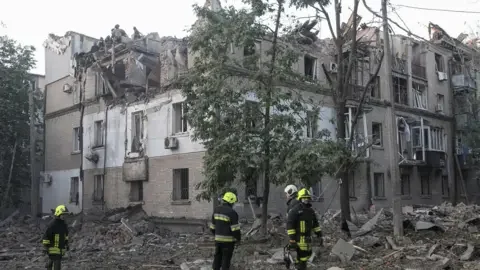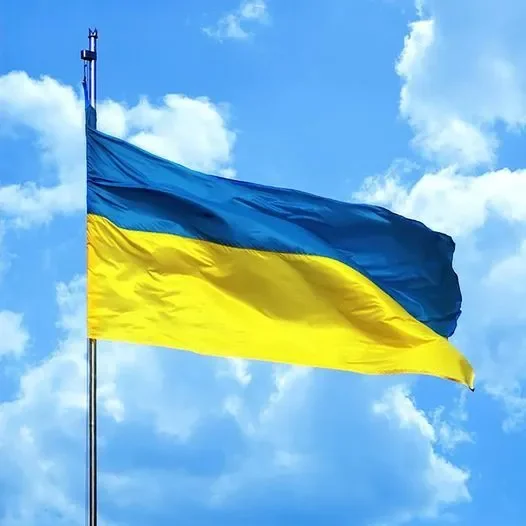
A Ukrainian athlete's attempt to honor fallen compatriots at the Winter Olympics has led to his disqualification, sparking widespread criticism of the International Olympic Committee's (IOC) decision-making process.
Context: A Helmet of Remembrance
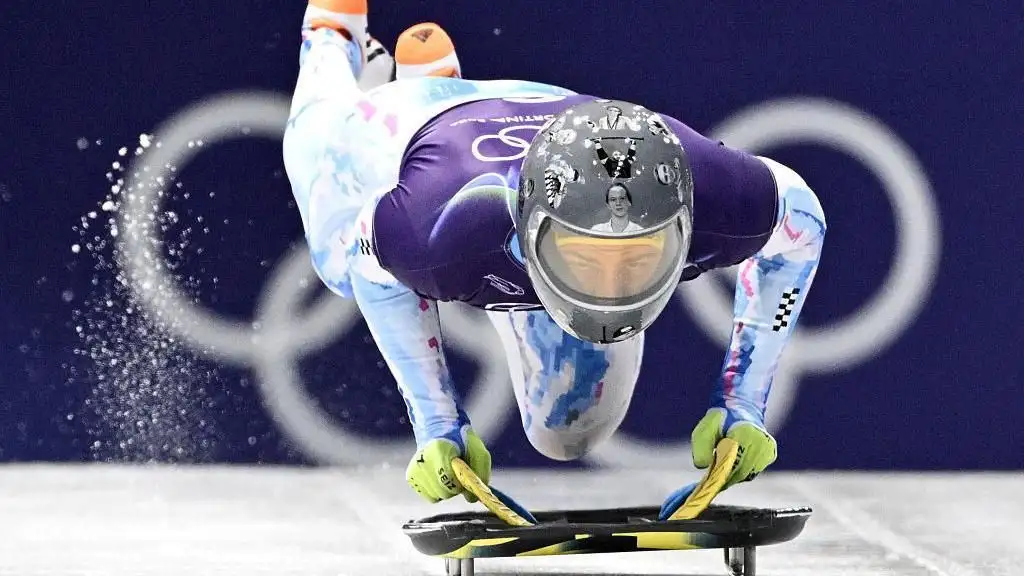
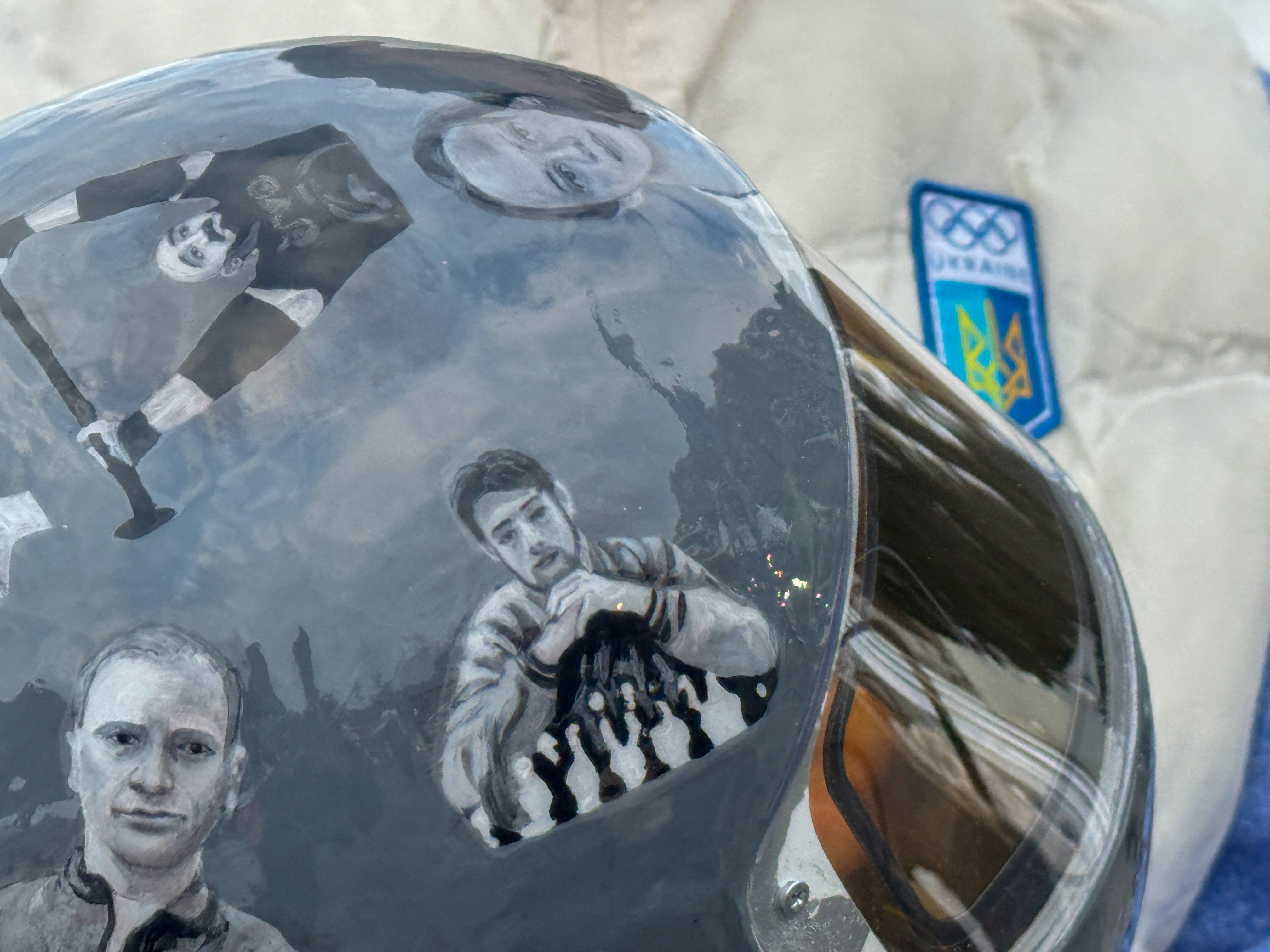
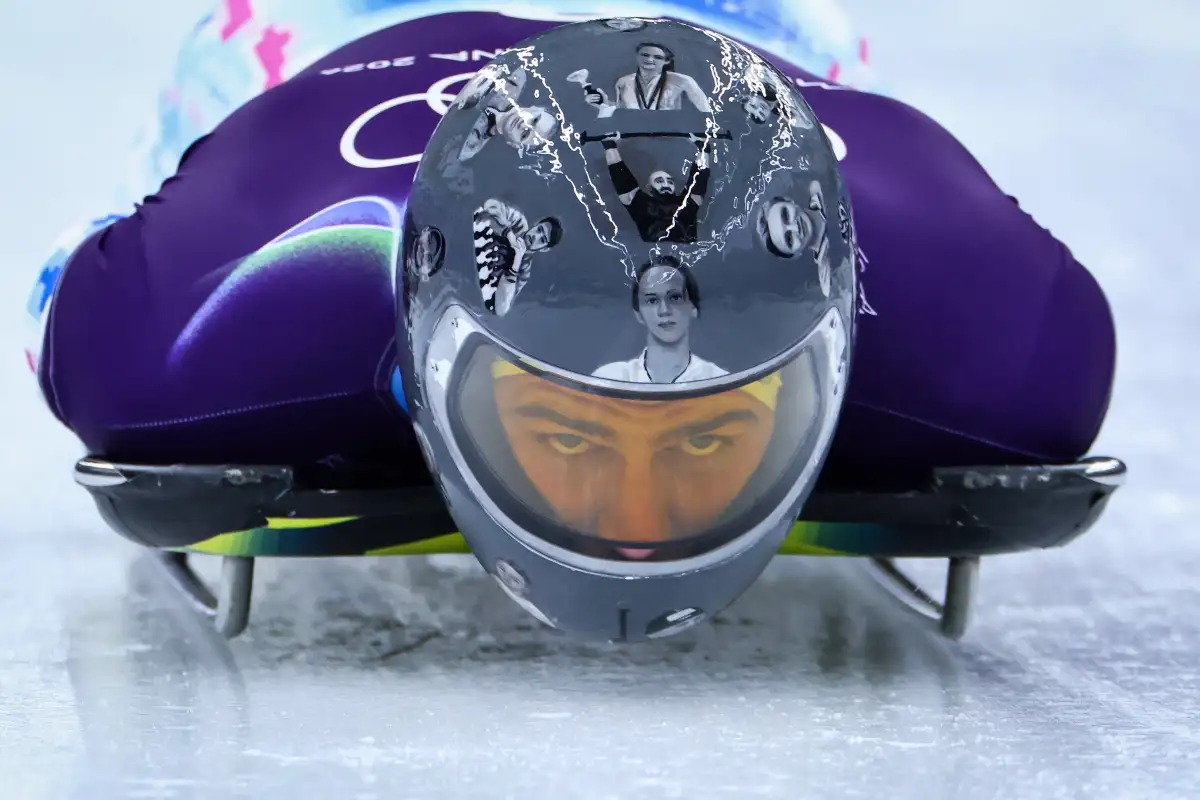
Vladyslav Heraskevych, a skeleton racer for Ukraine, was barred from competing in the 2026 Winter Olympics after he refused to remove a helmet adorned with images of Ukrainian athletes killed in the war with Russia. The IOC stated that the helmet contravened Article 50 of the Olympic Charter, which prohibits political statements during the Games. Heraskevych maintained that the helmet was a symbol of remembrance, not political expression.
The ban was announced on Tuesday, just before his scheduled heats.
Heraskevych had worn the helmet during practice runs in Cortina.
IOC President Kirsty Coventry met with Heraskevych and his father in an effort to persuade him to change his helmet, but their discussion proved unfruitful.
The IOC's Stance and Heraskevych's Response
The International Olympic Committee (IOC) defended its decision, with spokesperson Mark Adams asserting that rules must be followed to avoid "chaos." The IOC stated it was "very keen" for Heraskevych to compete but insisted the helmet's design was non-compliant.
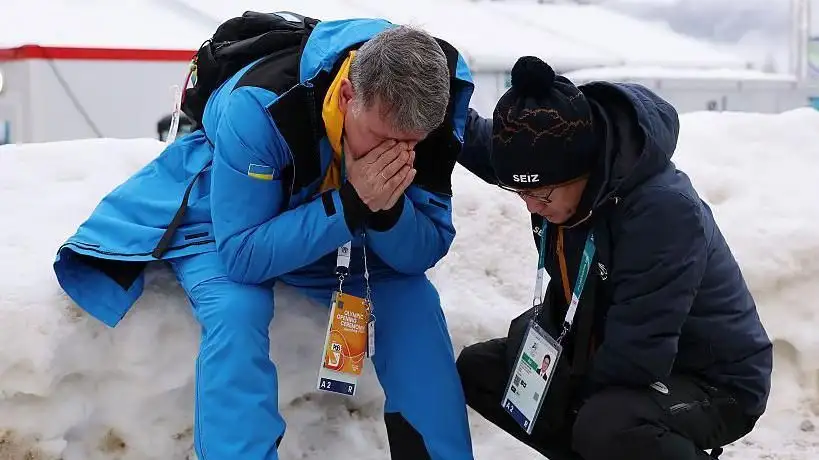
Heraskevych, however, remained resolute.
"I will not get my Olympic moment."
He expressed that the situation played into Russian propaganda and that he would not compromise his message.
The IOC initially removed Heraskevych's accreditation, though this decision was later reversed, allowing him to remain at the Games.
Adams indicated that the IOC handles numerous global conflicts and cannot take a stand on all of them.
Broader Repercussions and Accusations
The disqualification has drawn sharp criticism from various figures, including former and current Olympic athletes. Double Olympic gold medallist Lizzy Yarnold, commentating for the BBC, stated that the IOC owes Heraskevych an apology.
Read More: FIFA World Cup 2026 Revenue Reaches $15 Billion With New Ticket Prices
Ukrainian President Volodymyr Zelensky accused the Winter Olympics of "playing into Russia’s hands" by banning the helmet.
The Ukrainian delegation argued that the helmet represented remembrance, not political display.
Heraskevych described the situation as "emptiness" and accused the IOC of fueling Russia's propaganda.
Analysis of the IOC's Guidelines on Athlete Expression
The IOC's actions are rooted in its Guidelines on Athlete Expression, which fall under Article 50 of the Olympic Charter. These guidelines aim to maintain the neutrality and apolitical nature of the Olympic Games.
IOC's Argument: The IOC contends that allowing such displays could lead to a slippery slope of political statements, disrupting the Games' intended spirit. They emphasize the need for a universal application of rules.
Heraskevych's Counterpoint: Heraskevych and his supporters argue that honoring those lost in a war is a human gesture, not inherently political, and that the IOC's strict interpretation silences a legitimate expression of grief and solidarity.
Contrasting Views on the Definition of "Political Statement"
The core of the dispute lies in the interpretation of what constitutes a "political statement" versus an act of remembrance or personal expression.
IOC's Perspective: The committee appears to view any display related to an ongoing conflict as inherently political, regardless of intent, to uphold strict neutrality.
Critics' Perspective: Many, including Yarnold and Ukrainian officials, believe the IOC's stance is an overreach, failing to acknowledge the human element of the situation and inadvertently amplifying Russia's narrative by silencing Ukrainian mourning.
Expert Commentary: A Misstep by the IOC?
Commentators and athletes have voiced strong opinions on the IOC's handling of the situation.

"The IOC owe him an apology." - Lizzy Yarnold, Double Olympic Gold Medallist
This sentiment is echoed by many who believe the IOC's rigid adherence to its rules has overshadowed the human tragedy involved. The IOC's spokesperson, Mark Adams, defended the decision, citing the need for rule adherence to prevent widespread issues, yet this justification has not appeased critics.
Read More: 22 Civilians Killed in Russian Missile Attack on April 7 2026
Conclusion: A Matter of Interpretation and Impact
The disqualification of Vladyslav Heraskevych has cast a shadow over the 2026 Winter Olympics. While the IOC points to the Olympic Charter and the need for neutrality, critics argue that the decision is a rigid interpretation that overlooks the context of war and national mourning.
The incident highlights the ongoing tension between maintaining the apolitical nature of the Games and allowing athletes to express personal or national sentiments, especially in times of conflict.
The IOC's decision has been widely condemned, with prominent figures suggesting the committee should apologize to the athlete.
The broader implications for athlete expression at future Games remain a point of contention.
The Independent: https://www.independent.co.uk/sport/winter-olympics/ukrainian-banned-helmet-skeleton-vladyslav-heraskevych-b2918413.html
Daily Mail: https://www.dailymail.co.uk/sport/winterolympics/article-15552655/Ukrainian-helmet-Winter-Olympics-Milan-Cortina-Vladyslav-Heraskevych-disqualify.html
The Telegraph: https://www.telegraph.co.uk/winter-olympics/2026/02/12/winter-olympics-2026-ukrainian-skeleton-helmet-ioc/
The Guardian: https://www.theguardian.com/sport/2026/feb/12/ukraine-vladyslav-heraskevych-disqualified-winter-olympics-skeleton-helmet-protest-war-deaths
Primetimer: https://www.primetimer.com/news/who-is-vladyslav-heraskevych-and-why-was-he-disqualified-from-winter-olympics
Politico: https://www.politico.eu/article/olympic-chiefs-ban-ukrainian-racer-who-wanted-to-wear-helmet-honoring-war-dead/
BBC Sport (Video): https://www.bbc.com/sport/videos/cze03jgylepo