As of May 16, 2026, the medical establishment has coalesced around a standardized directive: the delegation of routine vascular measurement from the clinical setting to the domestic sphere. The widespread promotion of FDA-cleared monitoring devices—such as those produced by Omron, Withings, and Qardio—is now framed as a primary instrument for longitudinal cardiovascular management.

Core data signals that clinical utility rests on device validation and user discipline rather than the hardware alone. The consensus from professional bodies like the American Heart Association (AHA) maintains that intermittent office readings are insufficient, suggesting that a home-generated, cumulative data set provides a more accurate physiological portrait for practitioners.

The Regulatory and Technical Framework
The integration of these tools into standard health regimens relies on a set of rigid technical expectations to ensure the data is actionable for physicians:

Validation Standards: Professionals advise prioritizing devices with FDA clearance or formal clinical validation to ensure consistency.
Methodological Rigor: Readings are highly sensitive to user posture, cuff placement, and timing. Deviations in technique render the output statistically unreliable.
Clinical Thresholds: Acute readings of 180/120 mmHg remain the binary indicator for emergency intervention (911), regardless of the device used.
Market Landscape and Data Utility
| Device Feature | Practical Utility |
|---|---|
| Connectivity | Wi-Fi/Bluetooth enables remote monitoring and cloud export. |
| Form Factor | Upper-arm cuffs remain the AHA-preferred design. |
| Diagnostic Flags | Integrated detection (e.g., AFib, irregular rhythm) alerts users to secondary conditions. |
Critique of Self-Surveillance
While marketing literature frames home monitors as a "secret weapon," the reality of medical self-tracking involves a degree of administrative labor. The shift towards Remote Patient Monitoring (RPM) codes means that consumer data is now being funneled directly into billing and reimbursement structures.
Read More: Cruise Ships Spread Sickness Quickly, But People Still Book
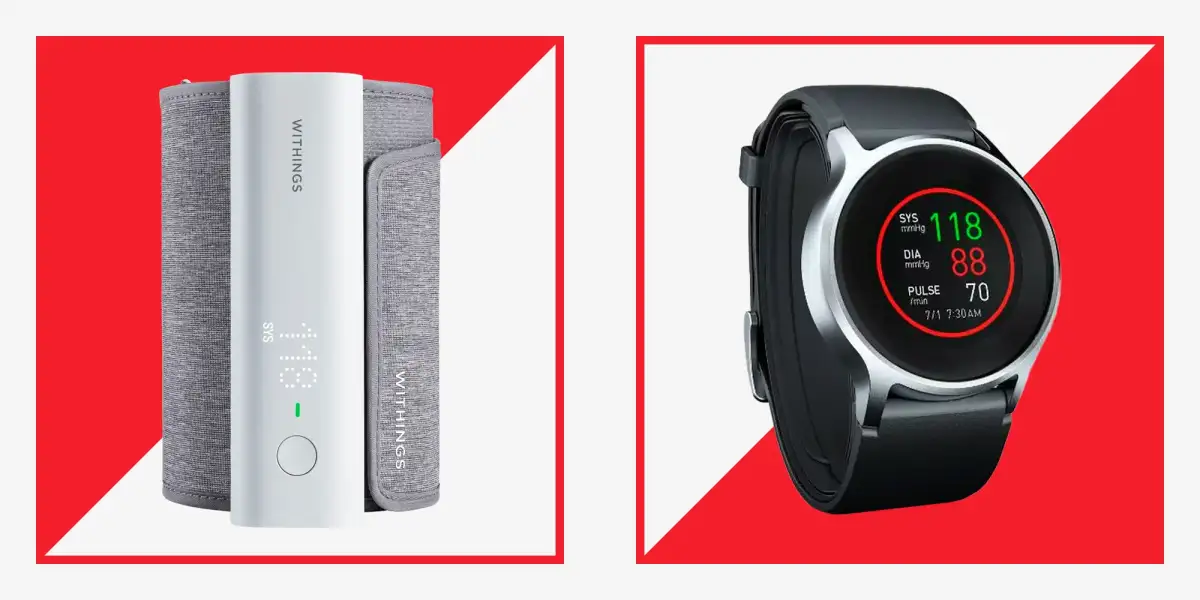
Data Density: The shift from annual screenings to daily data logs creates a "treasure trove" for providers, yet it also places the burden of precision entirely on the consumer.
Risk of False Precision: Consumers often mistake frequency for accuracy. Even with "smart" devices, the failure to follow prescribed resting protocols before a measurement can induce significant variance, potentially leading to unnecessary alarm or false reassurance.
The current proliferation of these tools—ranging from budget-tier devices like the Omron Iron to premium wireless units—indicates that vascular health is being treated as a high-frequency, digitized asset. The technology functions not merely as a diagnostic, but as a mandatory bridge between the private home and the bureaucratic requirements of modern healthcare providers.