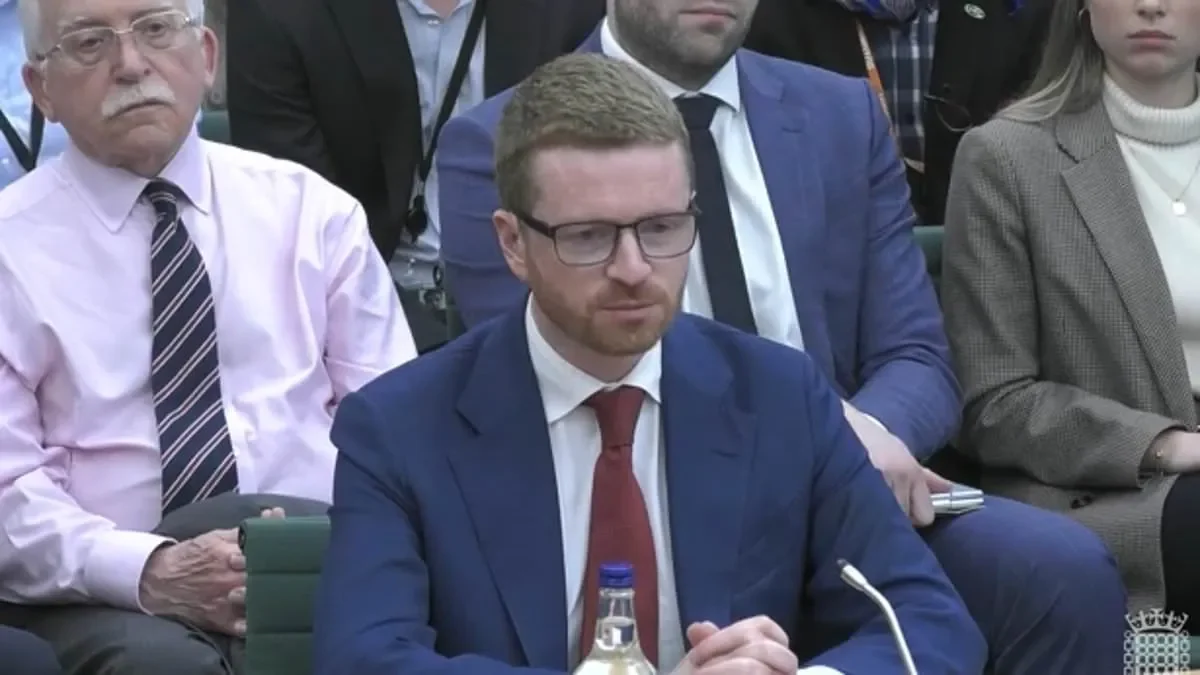
Government officials remain conspicuously silent on the potential abolition of primary school Standard Assessment Tests (SATs), despite mounting pressure from parents, educators, and even public figures. The Department for Education has refused to definitively state whether the assessments, particularly those for Year 2 and Year 6 pupils, will be scrapped, citing an ongoing review of the national curriculum and assessment framework. This ambiguity arrives as various groups decry SATs as detrimental to young learners, especially those with special educational needs and disabilities (SEND).
The ongoing refusal to commit to abolishing primary SATs, while simultaneously acknowledging their controversial nature, positions the government in a state of persistent indecision, deferring definitive action pending a broader curriculum review.
While the Conservative party's shadow education secretary, Laura Trott, has pointed to broader challenges in educational standards and the need to address a "huge disadvantage gap," she has also voiced concerns over the Labour government's spending priorities, referencing the cancellation of programs like the Latin Excellence Programme. Bridget Phillipson, the Secretary of State for Education, has been a central figure in these discussions, facing criticism for the £90 million advertising budget while decisions on assessments for young children remain pending.
Read More: Google Learn About AI Tool Released April 2026 For Simple Learning
The crux of the dissent against SATs centers on the anxiety and harm they purportedly inflict. Reports indicate that 76% of children with SEND fail SATs, with a significant majority of their parents asserting that these failures negatively influence school attendance and foster a sense of inadequacy. Actor Anna Maxwell Martin has joined forces with SEND parent groups to pen an open letter to Phillipson, describing primary exams as "actively harmful" and a "systemic failing." The letter highlights how the current system pushes children with SEND towards failure, offering only superficial accessibility improvements for certain tests rather than a fundamental re-evaluation of assessment methods.
Read More: Tess Daly wears wedding ring in London after split from Vernon Kay
A report from November 2021, published by TES, also detailed how the existing system of five national tests throughout primary education creates a considerable workload for teachers and leaders without demonstrably improving teaching and learning. This report advocated for a shift towards online assessments, seen in other nations, to enhance reliability and reduce the burden on schools, suggesting a "new approach is needed to reduce the pressure on school leaders and the school curriculum while also improving the accuracy and fairness of primary school assessments." Nick Brook, deputy general secretary of the school leaders' union NAHT, echoed this sentiment, stating that "the way in which government currently holds primary schools to account through national pupil testing undoubtedly does more harm than good."
Despite these widespread calls for reform and abolition, a March 2025 article from Netmums reported that the national curriculum review indicated Key Stage 2 SATs are set to continue, as they are deemed compulsory for Year 6 pupils. This assertion suggests that, despite the vocal opposition and critique, the fundamental structure of primary assessments may remain unchanged, with minor adjustments rather than outright removal being the more probable outcome. Petitions to scrap or overhaul Year 6 SATs have also surfaced, with one archived petition noting the existence of another similar petition, suggesting a persistent public desire for change that has yet to translate into definitive governmental action.
Read More: OCDSB approves $3.5M budget deficit on April 7 2026 under oversight