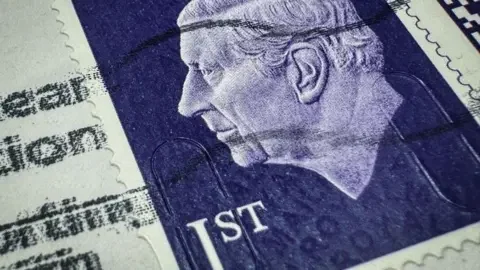
The price of a first-class stamp is set to increase to £1.80 next month, marking yet another upward adjustment by Royal Mail. This comes as the postal service continues to falter in meeting its delivery targets, a performance that has drawn criticism from various consumer advocacy groups and prompted parliamentary scrutiny.

Royal Mail, in its announcement, cited the escalating costs associated with mail delivery, coupled with a decline in letter volumes and an expansion in the number of addresses it serves. Richard Travers, managing director of letters at Royal Mail, stated that price adjustments are considered "very carefully," attempting to strike a balance between "affordability and the rising cost of delivering mail." However, this explanation arrives as the company faces mounting pressure.

Persistent Delivery Shortfalls
The latest price hike follows a recent quarterly report where Royal Mail again confirmed it had failed to meet its delivery performance benchmarks. This pattern of underperformance has been a recurring theme, leading to significant public concern over the reliability of the postal service. Members of Parliament are expected to question Royal Mail executives regarding these persistent delivery issues, with some reports suggesting that mail is being delivered in "batches" rather than on a consistent schedule.
Read More: Elon Musk's Terafab to Make Chips for Tesla and SpaceX by 2025

Royal Mail has also been engaged in "intensive talks" with the Communications Workers Union (CWU) concerning the rollout of changes to the universal service. These potential alterations include piloting the cessation of second-class letter deliveries on Saturdays and shifting service to every other weekday, a move that has already been approved by Ofcom for implementation across 35 delivery offices.

A Decade of Escalating Costs
The current proposed price of £1.80 represents a substantial increase from a decade ago, when a first-class stamp cost 64p. Over the past six years alone, the price of a first-class stamp has seen eight rises, equating to a 137% increase. Similarly, second-class stamps have also experienced multiple price adjustments.
Critics argue that such price increases should be contingent upon demonstrable improvements in service delivery. One commentary suggested that "higher prices must come with higher standards – increases should be tied to Royal Mail’s performance on the doorstep." The regulator, Ofcom, has indicated that it cannot indefinitely approve price rises without a corresponding enhancement in service quality.
Read More: BT Adds £13.09 Charge to Landline Bills for UK Customers Starting Next Month
Background: The Shifting Landscape of Mail Delivery
Royal Mail's operational challenges appear rooted in a confluence of factors. Declining volumes of traditional letters, contrasted with an expanding number of delivery points, strain the existing infrastructure and logistics. The company's need to maintain a nationwide delivery network for a declining physical mail volume while facing rising operational costs has led to a complex financial equation. The ongoing negotiations with the CWU over service changes underscore the internal and external pressures shaping the future of mail delivery in the UK.