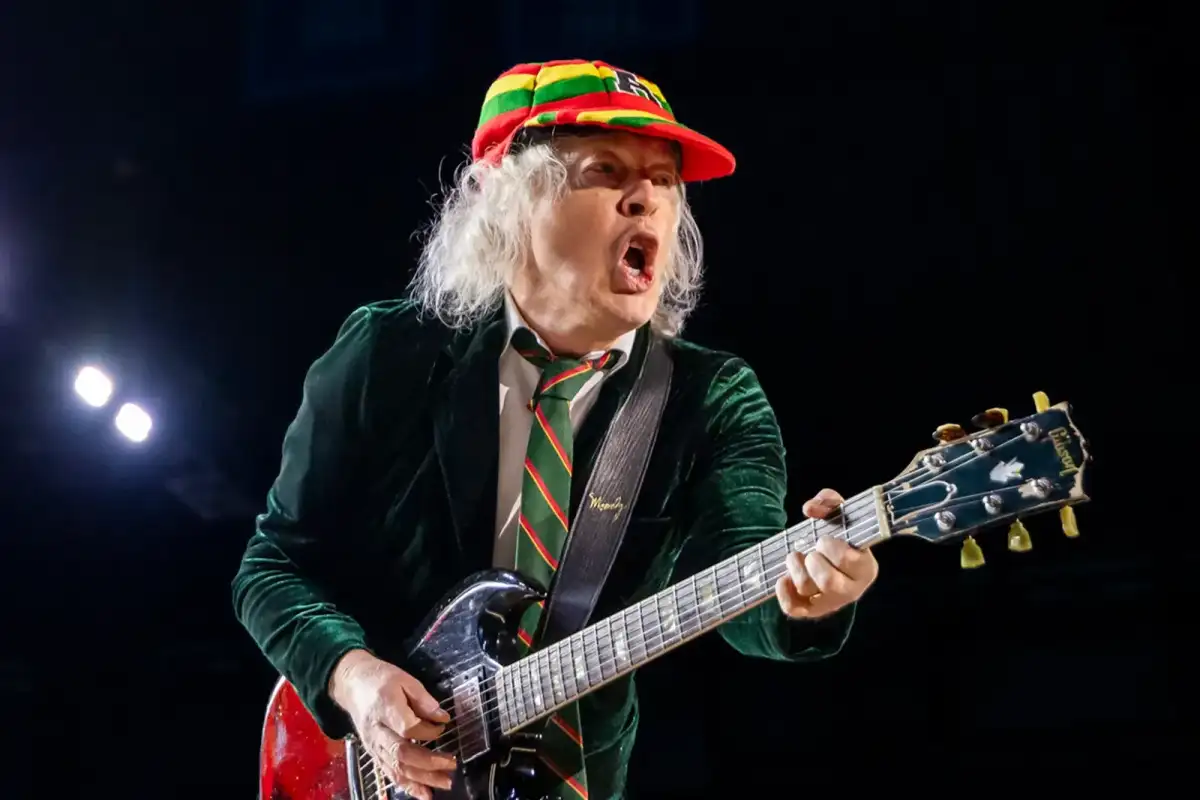
The 2026 Eurovision Song Contest concluded in Vienna, marked by institutional tension and a poor showing for the United Kingdom. UK entrant Sam Battle, known as Look Mum No Computer, finished in last place with effectively no public support, while the presence of Israeli artist Noam Bettan acted as a focal point for audience hostility.

Performance and Public Response
The event at the Wiener Stadthalle featured a variety of aesthetic choices ranging from Alexandra Capitanescu’s (Romania) industrial pop-metal to the performance art of Lion Ceccah (Lithuania). However, the spectacle was heavily shaded by the ongoing protest movement regarding the inclusion of Israel.

Audience reception: Noam Bettan faced audible booing and shouting from sections of the crowd, notably during quiet intervals of his track Michelle.
UK outcome: Sam Battle secured a near-total rejection from the voting public, mirroring persistent patterns for British entries in recent cycles.
Contextual participants: Other notable acts included Antigoni Buxton representing Cyprus and Delta Goodrem representing Australia.
| Performer | Country | Note |
|---|---|---|
| Sam Battle | UK | Finished last; received 'nul points' |
| Noam Bettan | Israel | Faced vocal crowd opposition |
| Antigoni Buxton | Cyprus | Former reality television personality |
| Delta Goodrem | Australia | Established recording artist |
The Political Atmosphere of the Contest
The Eurovision event operated under a shadow of widespread calls for exclusion, as viewers and activists directed their dissatisfaction toward the Israeli delegation. The boycott sentiment was present throughout the week, intensifying the scrutiny on performers who chose to proceed despite the political climate.
Read More: Paul McCartney and Bruce Springsteen impact on rock music legacy 2026

"The inclusion of Israel has effectively re-framed the musical competition as a site of civic friction, overshadowing the technical production values of the semi-finals and the grand final."
Institutional Mechanics
The United Kingdom, France, Italy, and Germany retain status as the 'Big Four' contributors, providing the bulk of the contest's financing. This ensures their automatic qualification for the final, regardless of semi-final outcomes. Despite this structural advantage, the UK's inability to capture the popular vote continues to trigger internal discourse regarding the nation’s musical curation and its reception within the European cultural framework.

The result serves as a signal of both the public’s indifference to the current British entry and a wider fragmentation within the Eurovision fan base, split between the desire for artistic performance and the reality of global political entanglements.