The High Court in the United Kingdom has determined that the government's decision to classify the activist group Palestine Action as a terrorist organization was unlawful. This ruling stems from a legal challenge brought forth by the group's co-founder, Huda Ammori, arguing the ban was a disproportionate use of anti-terrorism laws. While the ban remains in place pending an appeal, the High Court's judgment represents a significant moment for civil liberties campaigners who contend the proscription wrongly criminalized political dissent.
Background of the Proscription
In June 2025, the UK government announced its intention to ban Palestine Action under anti-terrorism legislation. This move, which came into effect on July 5, 2025, placed the group in the same category as organizations like ISIL (ISIS) and al-Qaeda. It made being part of or supporting Palestine Action a criminal offense. The decision to proscribe Palestine Action was noted as unprecedented for a direct action protest group.
Read More: England World Cup Match: Pubs Open Until 5 AM Monday

The government’s justification for the ban, as presented in court submissions, aimed at "stifling organisations concerned in terrorism and for members of the public to face criminal liability for joining or supporting such organisations." However, the Home Office also stated that the ban did not prevent individuals from protesting against actions in Gaza or in support of Palestinians.
The ban immediately attracted widespread criticism from human rights organizations and prompted a civil disobedience campaign, during which, according to one report, over 2,000 individuals were arrested.

Legal Challenge and Court's Findings
Huda Ammori, co-founder of Palestine Action, initiated a legal challenge against the ban. The High Court heard the case over three days. Ammori's legal team argued that the ban was unprecedented and drew comparisons to the tactics of the suffragettes.
In its judgment, the High Court, presided over by Judge Victoria Sharp, ruled that the decision by then-Home Secretary Yvette Cooper to ban Palestine Action was "disproportionate." This finding suggests that the government's action exceeded what was reasonably necessary to achieve its stated objectives.
Read More: Man Dies After Setting Fire Outside UN in Protest
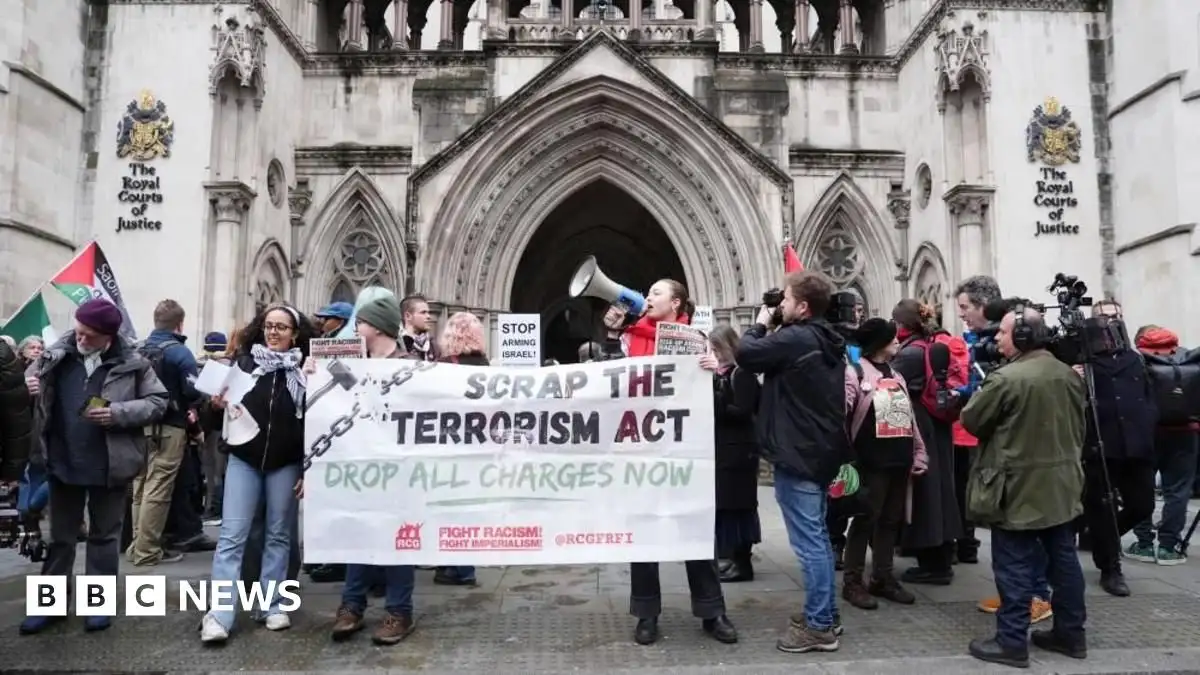
The core of the court's finding is that the ban's application was disproportionate, a legal standard requiring the government's action to be balanced against the rights affected.
Implications and Ongoing Status
The High Court's ruling is viewed as a substantial win for civil liberties advocates who had argued the ban represented an overreach of government authority and could set a dangerous precedent for using anti-terror laws against protest movements. Palestine Action itself has declared the ruling a "monumental victory both for our fundamental freedoms here in Britain and in the struggle for freedom for the Palestinian people."
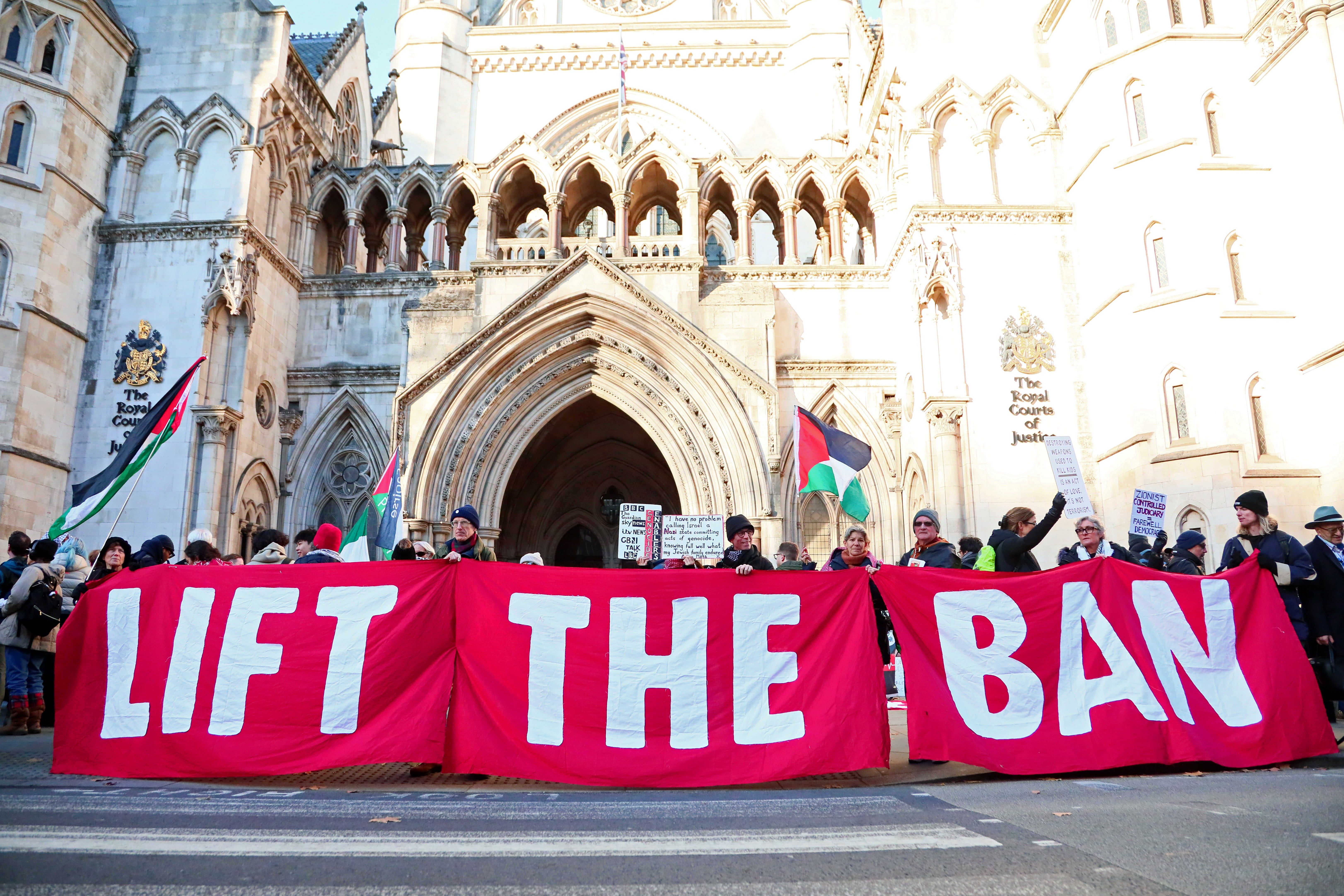
Despite the High Court's declaration that the ban was unlawful, it remains in effect for the present. This is due to an ongoing appeal process, meaning Palestine Action is still proscribed while this legal avenue is pursued. The Home Office had previously attempted to block Ammori's challenge from proceeding in the Court of Appeal in October 2025.
Read More: Prince Andrew Seen With Large Facial Bruise Near Norfolk Home
Divergent Views on the Ban
The controversy surrounding the ban highlights a significant divergence in perspectives:
| Perspective | Rationale | Evidence/Arguments Presented |
|---|---|---|
| Government (Home Office) | To prevent terrorism and hold individuals supporting designated organizations accountable under anti-terrorism laws. | Stated aim of "stifling organisations concerned in terrorism"; argued ban did not impede legitimate protest. |
| Palestine Action & Civil Liberties Groups | The ban is an excessive and unlawful overreach, criminalizing legitimate political dissent and setting a dangerous precedent for protest movements. | Argued the ban was unprecedented for a protest group, disproportionate, and a threat to fundamental freedoms and free speech. Comparisons made to historical activist groups. |
| High Court Ruling | The government's decision, while potentially aimed at legitimate concerns, was disproportionate in its application to Palestine Action under existing anti-terrorism legislation. | Found the ban's severity to be disproportionate, leading to the declaration of unlawfulness. |
Expert and Stakeholder Reactions
The ruling has drawn strong reactions from stakeholders:
Huda Ammori, co-founder of Palestine Action, described the judgment as "a monumental victory both for our fundamental freedoms here in Britain and in the struggle for freedom for the Palestinian people." She also characterized it as "one of the most extreme attacks on free speech in recent British history."
Civil liberties campaigners have welcomed the decision, seeing it as a validation of their concerns about the government's use of anti-terrorism powers against protest movements.
The Home Office is pursuing an appeal, indicating their continued belief in the necessity and legality of the ban.
Conclusion and Next Steps
The UK High Court's ruling that the ban on Palestine Action was unlawful marks a significant legal and political development. While the immediate effect is limited due to the ongoing appeal, the judgment underscores judicial scrutiny of government actions under anti-terrorism legislation.
The immediate next step is the appeal process, which will determine the final legal status of the ban on Palestine Action.
The case is likely to fuel ongoing debates about the balance between national security, counter-terrorism measures, and the rights to freedom of expression and association in the UK.
Further analysis will be required to understand the long-term impact of this ruling on the application of anti-terror laws to political activism.
Sources
CNN: https://edition.cnn.com/2026/02/13/uk/uk-palestine-action-ban-gbr-uk-intl
Context: Published the most detailed summary of the court's reasoning and the broader implications for civil liberties.
The Guardian: https://www.theguardian.com/uk-news/live/2026/feb/13/high-court-to-rule-on-lawfulness-of-home-offices-decision-to-proscribe-palestine-action-live
Context: Provided real-time updates and detailed the unprecedented nature of the ban on a direct action protest group.
Al Jazeera: https://www.aljazeera.com/news/2026/2/13/uk-decision-to-ban-palestine-action-as-terror-group-unlawful-court-says
Context: Captured the strong statement from Palestine Action's co-founder and highlighted the comparison to groups like al-Qaeda and ISIL.
Sky News: https://news.sky.com/story/palestine-action-wins-high-court-challenge-over-groups-ban-as-terrorist-organisation-13506220
Context: Provided context on the legal action initiated by Huda Ammori and the comparison made by her legal team to the suffragettes.
The National: https://www.thenationalnews.com/news/2026/02/13/uks-palestine-action-ban-is-unlawful-high-court-rules/
Context: Included details of the Home Office's defense arguments and the timeline of the legal challenge.
Financial Times: https://www.ft.com/content/ed064c1a-9237-407b-813a-70f4fa48b129
Context: Verified the ruling as unlawful, though the summary provided was not extensive for detailing the case's specifics.
Independent: https://www.independent.co.uk/news/uk/home-news/palestine-action-ban-terror-proscription-b2919200.html
Context: Confirmed the High Court ruling that the terror ban was unlawful.