Tensions Rise Over Conservation Efforts and Indigenous Rights in Nagarahole
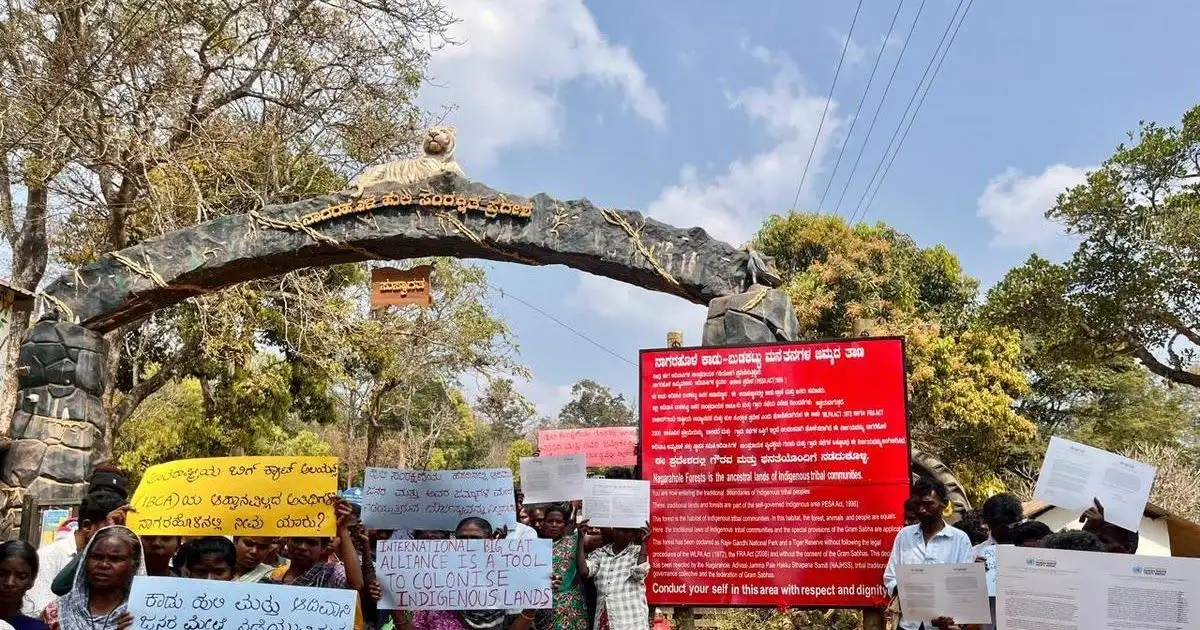
Recent events in the Nagarahole Tiger Reserve have brought to the forefront a complex interplay between wildlife conservation, tourism, and the rights of indigenous communities. A ban on jungle safaris, initially implemented due to a series of fatal tiger attacks, is now being strongly advocated for by tribal groups. These communities are also vocal in their opposition to the International Big Cat Alliance (IBCA), viewing it as a mechanism for further exploitation of their ancestral lands and resources. The situation highlights a long-standing dispute over land rights and conservation methodologies, with tribal federations asserting their historical connection to the land and their traditional practices as integral to its protection.
Background: A History of Conflict and Conservation
The Nagarahole Tiger Reserve, a significant wildlife habitat in Karnataka, has been a site of ongoing debate regarding land ownership and conservation strategies. Tribal communities, including the Jenu Kuruba, Betta Kuruba, Paniya, and Yerava, have resided in these forests for generations, maintaining cultural and spiritual ties to the land. Their claims are supported by traditional governance systems and recognized under Indian law, specifically the Panchayats (Extension to Scheduled Areas) Act and the Forest Rights Act, 2006.
Read More: Orangutan Mothers Plan Playdates for Babies in Borneo
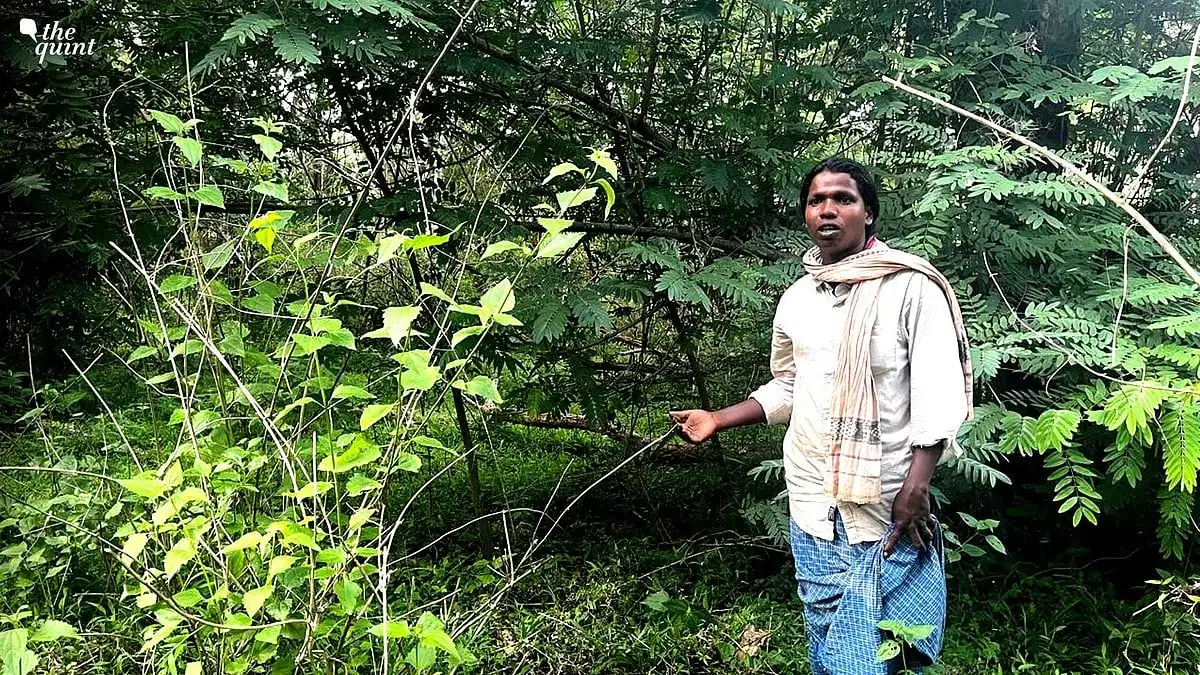
Establishment of Protected Areas: The area was declared a reserved forest in the 19th century and later designated as a national park and tiger reserve. This process, according to tribal federations, has led to the dispossession of indigenous peoples from their ancestral lands.
Voluntary Tribal Relocation Programme: Some tribal members who were relocated under this program are now seeking rights over forest land, alongside those who remain within the reserve, leading to further complexities.
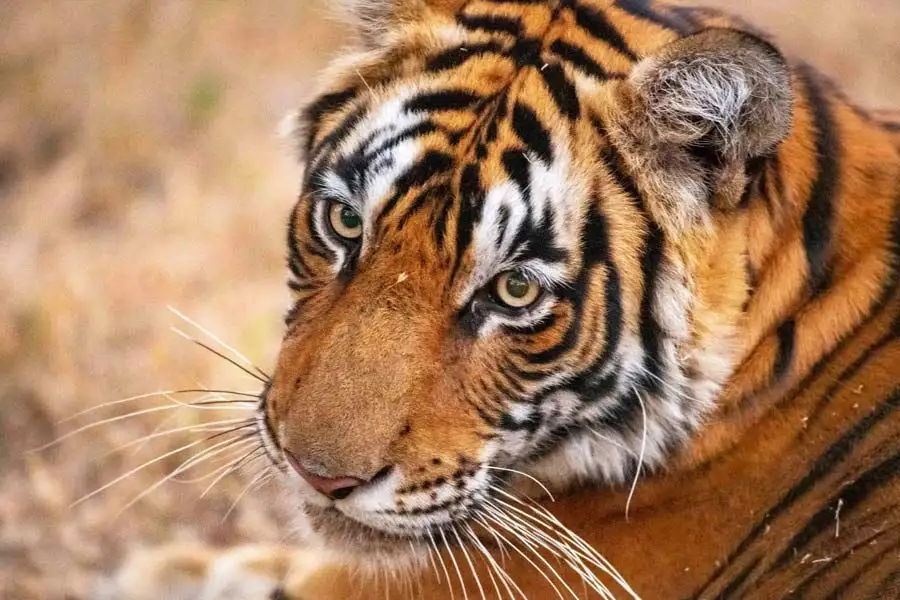
Recent Tiger Attacks: A series of fatal tiger attacks in late 2025, including the deaths of three farmers in October and November, prompted the Karnataka government to suspend safari operations in Nagarahole and the adjacent Bandipur Tiger Reserve. Trekking activities in conflict-prone areas were also halted.
Evidence of Discontent and Calls for Action
Multiple reports indicate a unified stance among tribal groups regarding the safari ban and the IBCA.
Support for Safari Ban: Ramakrishna, a member of the Nagarahole Adivasi Jammapaale Hakku Sthapana Samithi (NAJHSS), explicitly stated, "Hence, the ban on safaris must continue.” This call is echoed by the collective opposition from various tribal communities.
Condemnation of IBCA: The NAJHSS, representing grama sabhas in Nagarahole, has broadly condemned the International Big Cat Alliance. They describe it as a "tool to legitimise extraction of forests, people and animals" and a "facade to further occupy indigenous lands and intensify their exploitation." The alliance's conservation methods are characterized as "based on exclusion and extraction."
Allegations of Forest Department Practices: Ramakrishna also alleged that the Forest Department was clearing trees to improve animal sightings, which he views as a move to facilitate "extractive agendas."
Human Rights Concerns: The NAJHSS noted that the IBCA summit took place amidst "global outrage over climate change and biodiversity loss, and in particular when indigenous people on whose territories protected areas have been imposed are facing severe human rights violations.”
Denial of Rights: The collective of Adivasis stated that the denial of their ancestral lands and rights, and the subsequent violation of their human rights, cannot be justified in the name of conservation. They are demanding legal recognition of their community forest rights and habitat rights under the Forest Rights Act, 2006, which they claim have been unlawfully denied.
Historical Dispossession: Reports suggest that forest officials have filed cases and issued threats against community members for conducting sacred rituals, and that dispossession has been ongoing since the area was first declared a reserved forest.
The International Big Cat Alliance: A Point of Contention
The IBCA has become a focal point for tribal opposition, with the NAJHSS and other indigenous groups articulating strong grievances against it.

Perceived Exploitation: The alliance is seen not as a conservation initiative but as a means to legitimize the exploitation of natural resources and indigenous populations.
Exclusionary Practices: Their conservation models are described as relying on exclusion and extraction, rather than inclusive, community-based approaches.
Government Involvement: The NAJHSS has accused the Ministry of Environment, Forest and Climate Change, the National Tiger Conservation Authority, and various conservation groups of playing a role in advancing these perceived extractive agendas.
Traditional Conservation and Modern Challenges
Tribal communities assert that their long-standing presence in Nagarahole has been characterized by a deep understanding of the ecosystem and sustainable practices.
Holistic Belief Systems: Communities like the Jenu Kuruba and Beta Kuruba have lived in Nagarahole for generations, traditionally conserving forests and wildlife through customary practices and belief systems that treat humans, animals, and forests as interconnected equals.
Sacred Natural Sites: Many animal species and natural features in the region are worshipped as deities and protected through traditional governance systems.
Conflict with Official Practices: Despite this, the federation alleges that forest officials have filed cases and issued threats against community members even for conducting sacred rituals.
Safari Ban: A Response to Immediate Threats
The suspension of jungle safaris was a direct reaction to an escalating human-wildlife conflict.
Triggering Event: The killing of a farmer by a tiger in Mysuru district on November 7, 2025, led to the immediate order by Karnataka Forest Minister Eshwar Khandre to halt safaris.
Wider Scope: The ban also included trekking activities in areas prone to human-wildlife conflict, indicating a broader concern for public safety.
Resource Deployment: Forest staff, including those assigned to safari duties, were redeployed to assist in the operation to capture the tiger involved in the attacks.
Expert Analysis and Indigenous Perspectives
The ongoing situation draws attention to the efficacy and ethics of current conservation paradigms.
Critique of Exclusionary Models: The tribal groups' condemnation of the IBCA highlights a critique of conservation models that prioritize wildlife protection through the exclusion of local communities, potentially leading to human rights violations and unsustainable practices.
Advocacy for Rights-Based Conservation: Their demands for community forest rights and habitat rights under the Forest Rights Act, 2006, emphasize a shift towards a rights-based approach to conservation, where indigenous knowledge and rights are central.
Historical Context: As noted by tribal federations, the continuous dispossession since the area became a reserved forest points to a legacy of colonial-era conservation policies that often disregarded indigenous land tenure and livelihoods.
Conclusion: Unresolved Land Rights and Conservation Debates
The current situation in Nagarahole is a microcosm of broader challenges in wildlife conservation, particularly concerning the rights of indigenous peoples. The continued safari ban, supported by tribal communities, underscores their deep-seated concerns about the management of their ancestral lands. The strong opposition to the International Big Cat Alliance suggests a fundamental disagreement on conservation methodologies, with indigenous groups viewing it as a perpetuation of exploitative practices.
Read More: Man Dies After Setting Fire Outside UN in Protest
Key Demands: The primary demands from the tribal federations include the continuation of the safari ban and the legal recognition of their community forest rights and habitat rights.
Underlying Issues: The core of the dispute lies in the unresolved issues of land rights, the acknowledgment of traditional conservation practices, and the equitable implementation of conservation policies.
Future Implications: The stance taken by the tribal communities and the government's response will likely shape future conservation efforts in Nagarahole and other protected areas, potentially influencing how international conservation initiatives engage with indigenous populations and their ancestral territories.
Sources
The Hindu: "Tribals of Nagarahole call for continuing safari ban, condemn International Big Cat Alliance"
Deccan Herald: "Karnataka: Tribals oppose big cat alliance event in Nagarahole"
Counterview: "Indigenous federation protests Big Cat Alliance meet in Karnataka forests"
Link: https://www.counterview.net/2026/02/indigenous-federation-protests-big-cat.html
Deccan Chronicle: "Jungle Safaris Suspended In Nagarahole And Bandipur Tiger Reserve"
The Quint: "'We Exist': The Haunting Plea For Tribal Land Inside Nagarhole Tiger Reserve"
Telegraph India: "Nagarahole, Bandipur safaris halted after tiger attack kills farmer in third such death in a month"
The News Minute: "After fatal tiger attacks, Karnataka stops safaris in Bandipur, Nagarhole"
The Hindu (Bangalore): "Nagarahole Adivasi federation condemns Big Cat Summit"
New Indian Express: "Illegal occupation inside Nagarahole tiger reserve; tribals demand land rights"