Shifting Enforcement in Response to Legal Challenge
The Metropolitan Police have announced a change in their approach to handling protests supporting the group Palestine Action. This adjustment follows a recent High Court ruling that deemed the government's decision to proscribe the group as unlawful. While the group remains proscribed pending a government appeal, the police will now focus on gathering evidence rather than making immediate arrests for expressing support. This decision highlights a tension between maintaining public order and respecting freedom of expression, particularly in the context of a contentious political issue.
Background of Proscription and Protest Activity
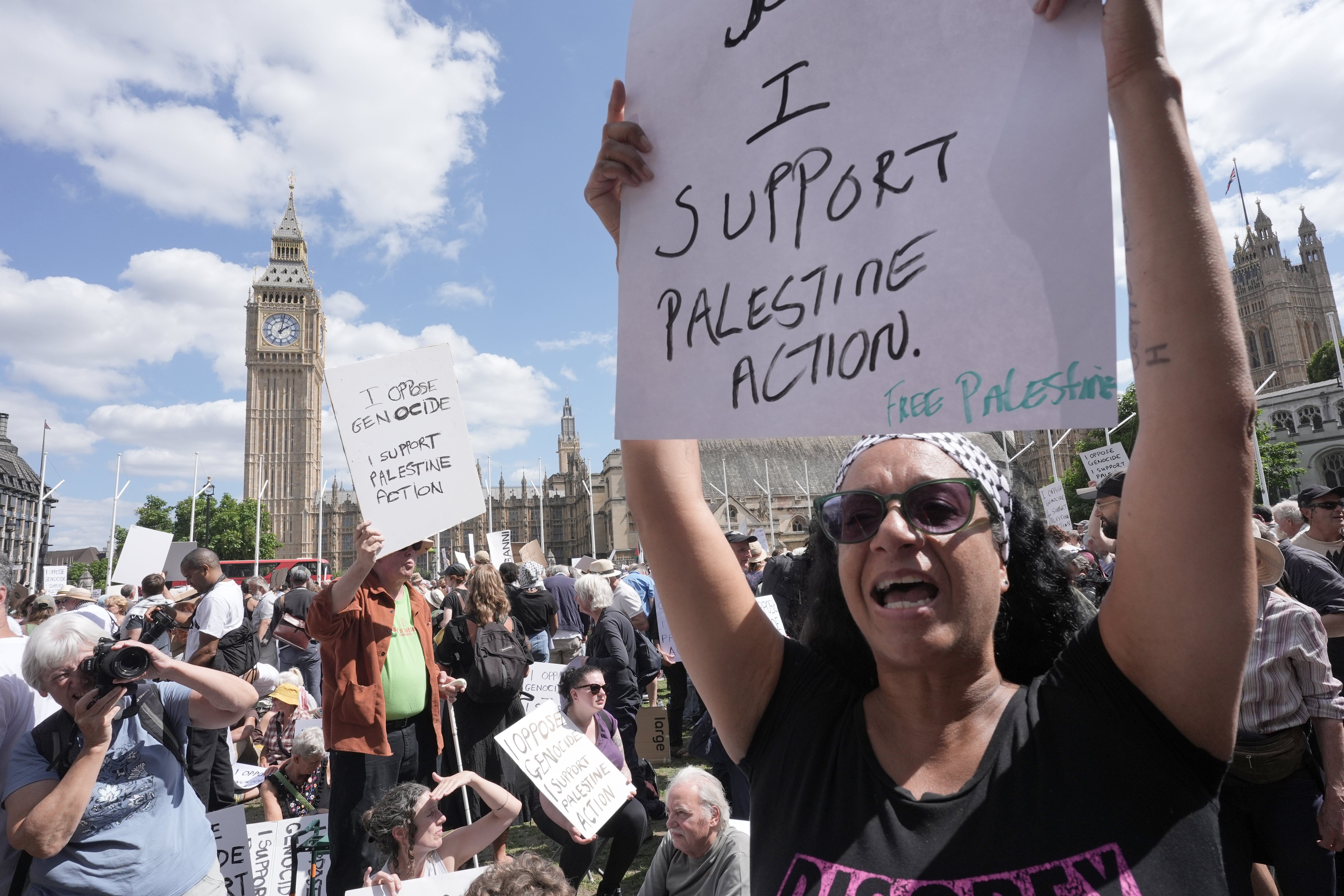
Palestine Action was proscribed by the government, a move described as an attempt to ban the group as a terrorist organization. This decision stemmed from actions attributed to the group, including activists entering RAF Brize Norton and damaging military aircraft with paint. Following this proscription, the Metropolitan Police implemented a policy of arresting individuals found expressing support for Palestine Action, leading to a significant number of arrests at various demonstrations.
Read More: England World Cup Match: Pubs Open Until 5 AM Monday
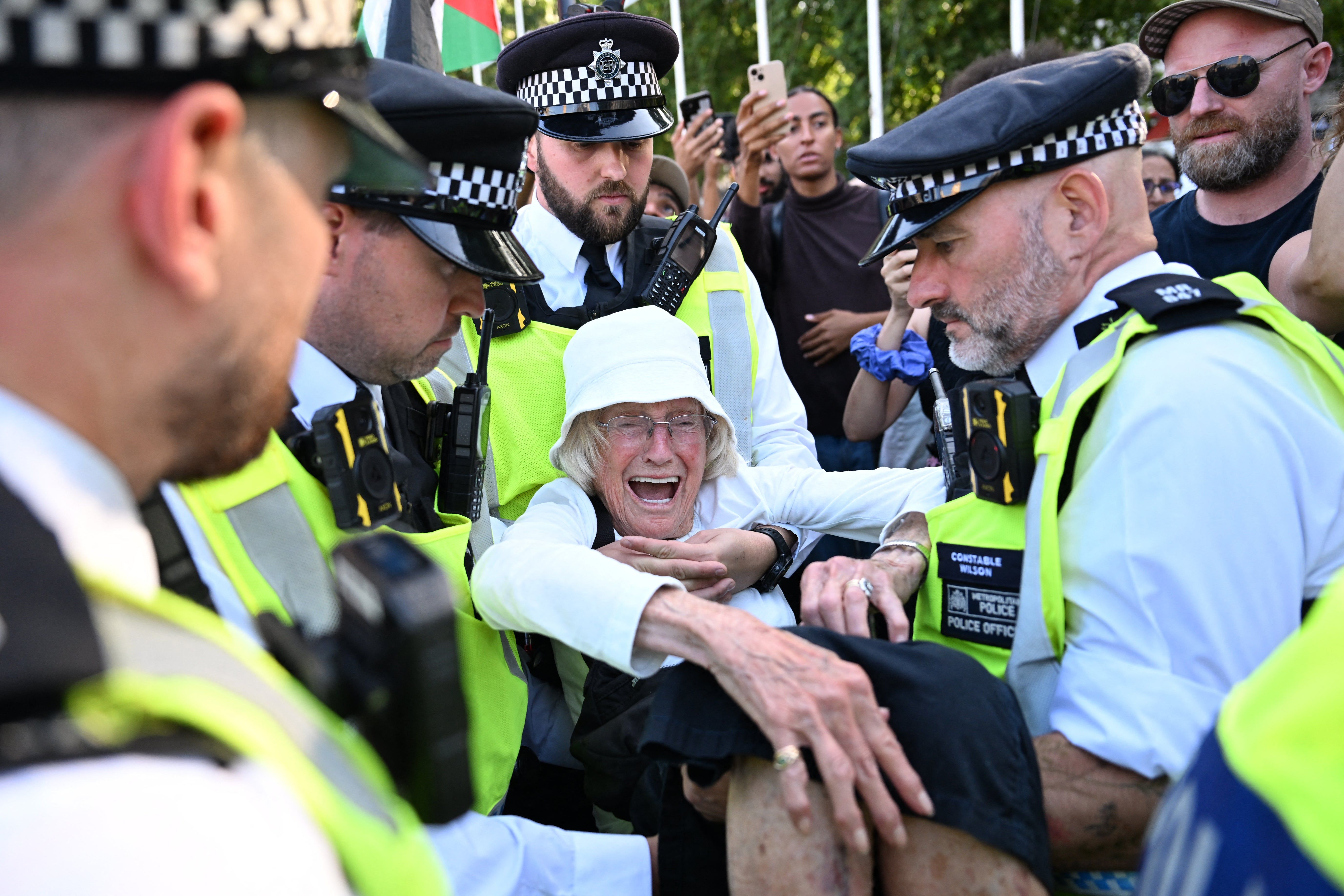
Previous Arrests: Reports indicate substantial arrest figures.
In one instance, 522 protesters were arrested for holding placards stating, "I oppose genocide, I support Palestine Action."
Another event saw nearly 500 arrests in central London.
Subsequently, arrest numbers rose to 890 at a demonstration against the ban.
A further protest resulted in at least 532 arrests.
These arrests were often made under laws related to supporting a proscribed organization.
The scale of these arrests necessitated significant police resources, with thousands of officer shifts dedicated to policing protests.
The High Court's Intervention
The High Court has now intervened, ruling that the government's decision to outlaw Palestine Action was unlawful. Judges indicated that the scale and nature of the group's activities did not meet the threshold required for such a proscription.

Key findings of the court:
The government's decision to proscribe Palestine Action was deemed unlawful.
However, the ban remains in effect pending a government appeal.
This ruling has been hailed by supporters of Palestine Action and civil liberties advocates as a victory for fundamental freedoms and a defense against the misuse of anti-terror legislation to stifle criticism of Israel.
Metropolitan Police's New Operational Stance
In light of the High Court's findings, the Metropolitan Police have revised their immediate enforcement strategy.
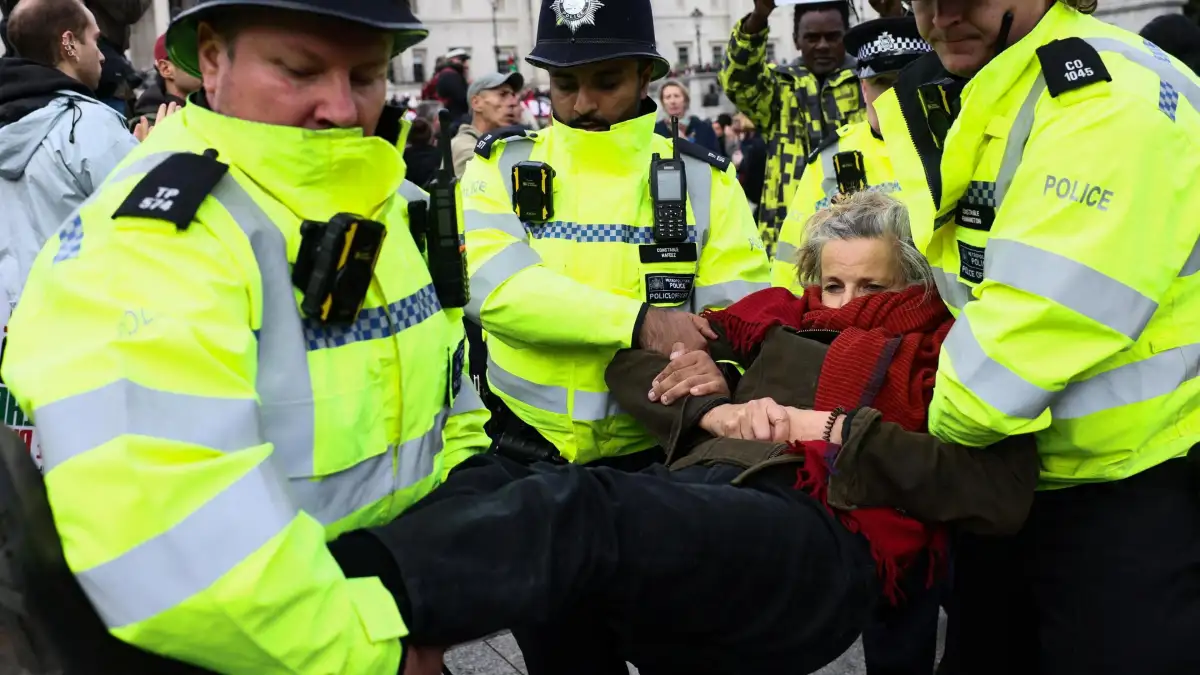
"Officers will continue to identify offences where support for Palestine Action is being expressed, but they will focus on gathering evidence of those offences and the people involved to provide opportunities for enforcement at a later date, rather than making arrests at the time." - Metropolitan Police Statement
This revised approach emphasizes evidence collection over immediate detention for the specific act of expressing support.
Key changes in police action:
Continued Identification: Police will still note instances where support for Palestine Action is expressed.
Evidence Gathering Focus: The priority will be to collect evidence for potential future enforcement.
Non-Arrest for Expression of Support: Immediate arrests for simply expressing support will be avoided.
Intervention for Other Offenses: Arrests will still occur if protesters engage in activities deemed unlawful, such as intimidation, property damage, violence, or inciting racial hatred.
Implications of the Ruling and Evolving Strategy
The High Court's decision and the Metropolitan Police's subsequent operational adjustment introduce a complex dynamic. While the proscription technically remains in force, the practical effect on street-level enforcement regarding expressions of support has changed.
Legal Uncertainty: The impending government appeal means the status of Palestine Action as a proscribed group is not definitively settled.
Freedom of Speech Debate: The ruling has amplified discussions about the balance between national security measures and the rights to free speech and protest. Civil liberties groups argue that the government has used anti-terror laws to suppress legitimate dissent.
Resource Allocation: The previous heavy reliance on mass arrests for expressing support represented a significant deployment of police resources. The shift to evidence gathering may alter these resource demands.
The situation suggests a period of legal and operational transition, where the lawful boundaries of protest and expression in relation to Palestine Action are being actively contested and redefined.
Read More: Woman's face went numb: Stroke symptoms missed as migraine in London
Sources Used:
Met Police Statement: https://news.met.police.uk/news/met-response-to-high-court-ruling-on-palestine-action-506156 - Official statement from the Metropolitan Police detailing their response to the High Court ruling.
The Guardian Live Update: https://www.theguardian.com/uk-news/live/2026/feb/13/high-court-to-rule-on-lawfulness-of-home-offices-decision-to-proscribe-palestine-action-live - Live reporting that includes the Met Police's statement and reactions from activists.
AP News Report: https://apnews.com/article/britain-palestine-action-high-court-2fbb7f5e2e090881193b9328323d2ec4 - Reports on the High Court ruling and its implications for civil liberties.