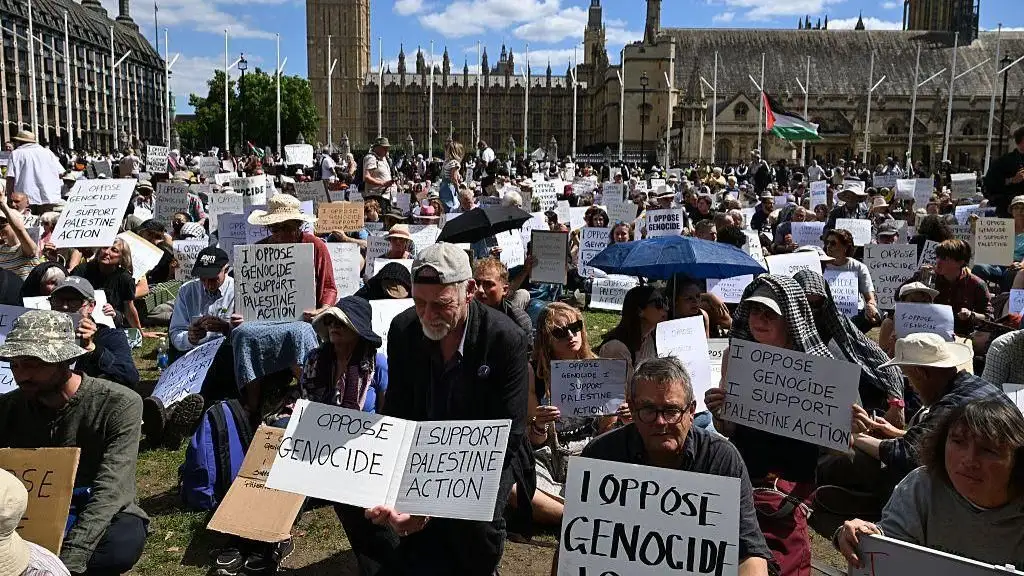
A significant legal ruling has found the UK government's decision to ban the activist group Palestine Action under anti-terrorism laws to be unlawful. This decision follows a legal challenge brought by the group's co-founder, Huda Ammori. The ban, which made membership and support of the group a criminal offense, had been in place since July 5, 2025.
The Legal Battle Over Palestine Action's Proscription
The Home Office proscribed Palestine Action, placing it alongside organizations like Islamic State, a move that sparked considerable debate and protests. The group's co-founder, Huda Ammori, initiated legal proceedings to contest this decision.
Initial Ban: The ban was enacted on July 5, 2025, following an incident where activists damaged two Voyager planes at RAF Brize Norton. This action was claimed by Palestine Action.
Legal Challenges: Huda Ammori launched a legal challenge. While she initially lost a bid to temporarily block the ban, she was later granted permission by the High Court to proceed with a judicial review of the Home Secretary's decision.
Government Appeals: The government attempted to prevent this judicial review. The Court of Appeal, however, dismissed the government's bid to block the challenge, allowing the case to move forward. The Home Office then sought and was granted permission to appeal this decision by the Court of Appeal.
Final Ruling: The High Court has now ruled the ban itself to be unlawful.
Evidence of Unlawfulness
The High Court's recent judgment has determined the proscription of Palestine Action to be unlawful. This ruling follows a series of legal stages:
Permission to Challenge: Huda Ammori was granted permission to proceed with a judicial review in July 2025. This permission was based, in part, on arguments that the ban might conflict with the right to free speech and that consultation with Palestine Action might have been warranted before the ban was imposed.
Court of Appeal's Role: The Court of Appeal played a crucial role by dismissing the government's attempts to prevent the judicial review. Judges indicated that alternative, faster legal routes to challenge a ban were not explicitly ruled out by Parliament, even with a slower appeal process available.
High Court's Final Decision: The High Court has now ruled definitively against the lawfulness of the ban. This means that categorizing Palestine Action alongside terrorist organizations under anti-terrorism legislation has been found to be an incorrect application of the law in this instance.
Ramifications of the Ruling
The High Court's decision to declare the ban on Palestine Action unlawful carries significant implications:
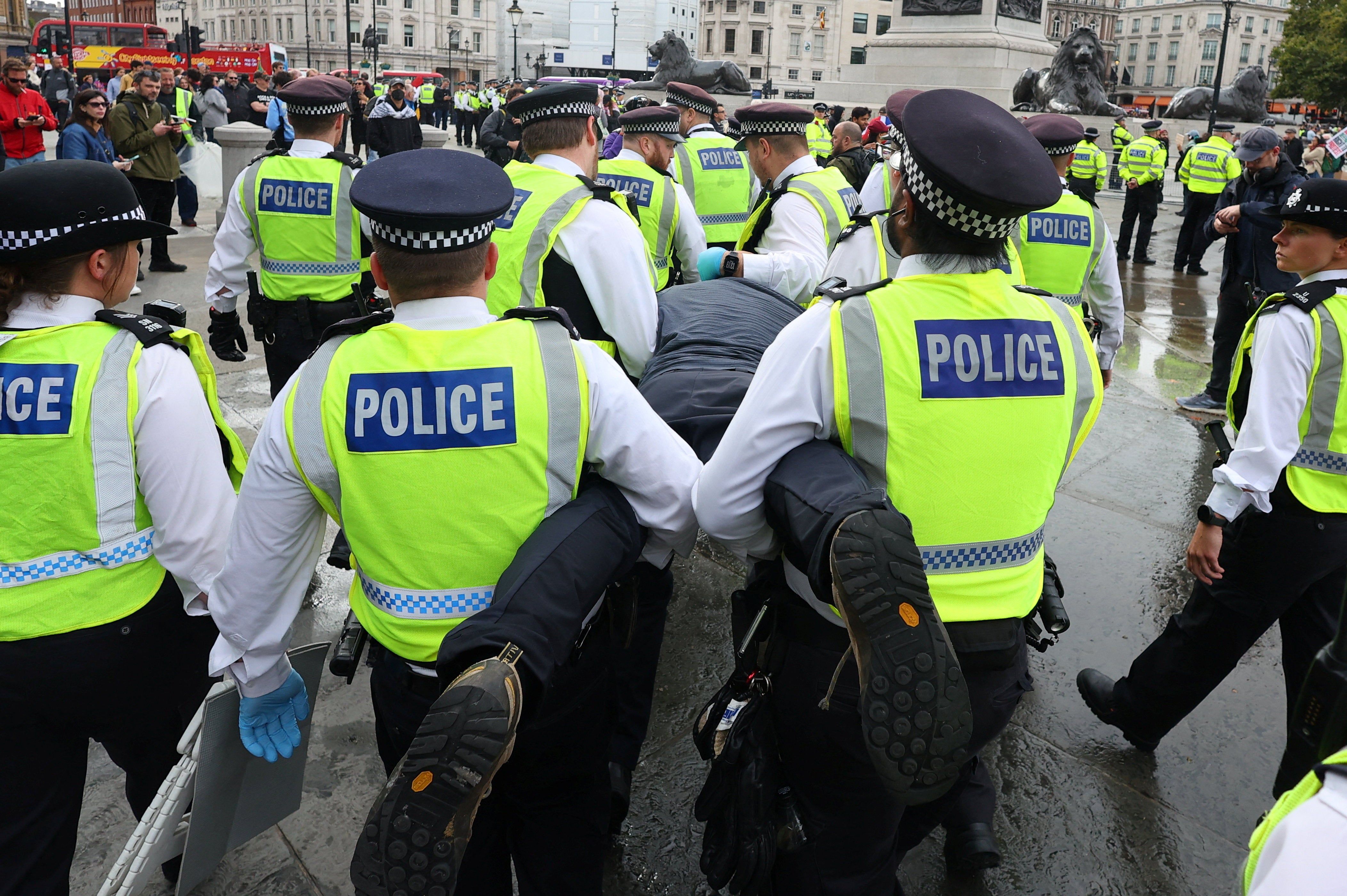
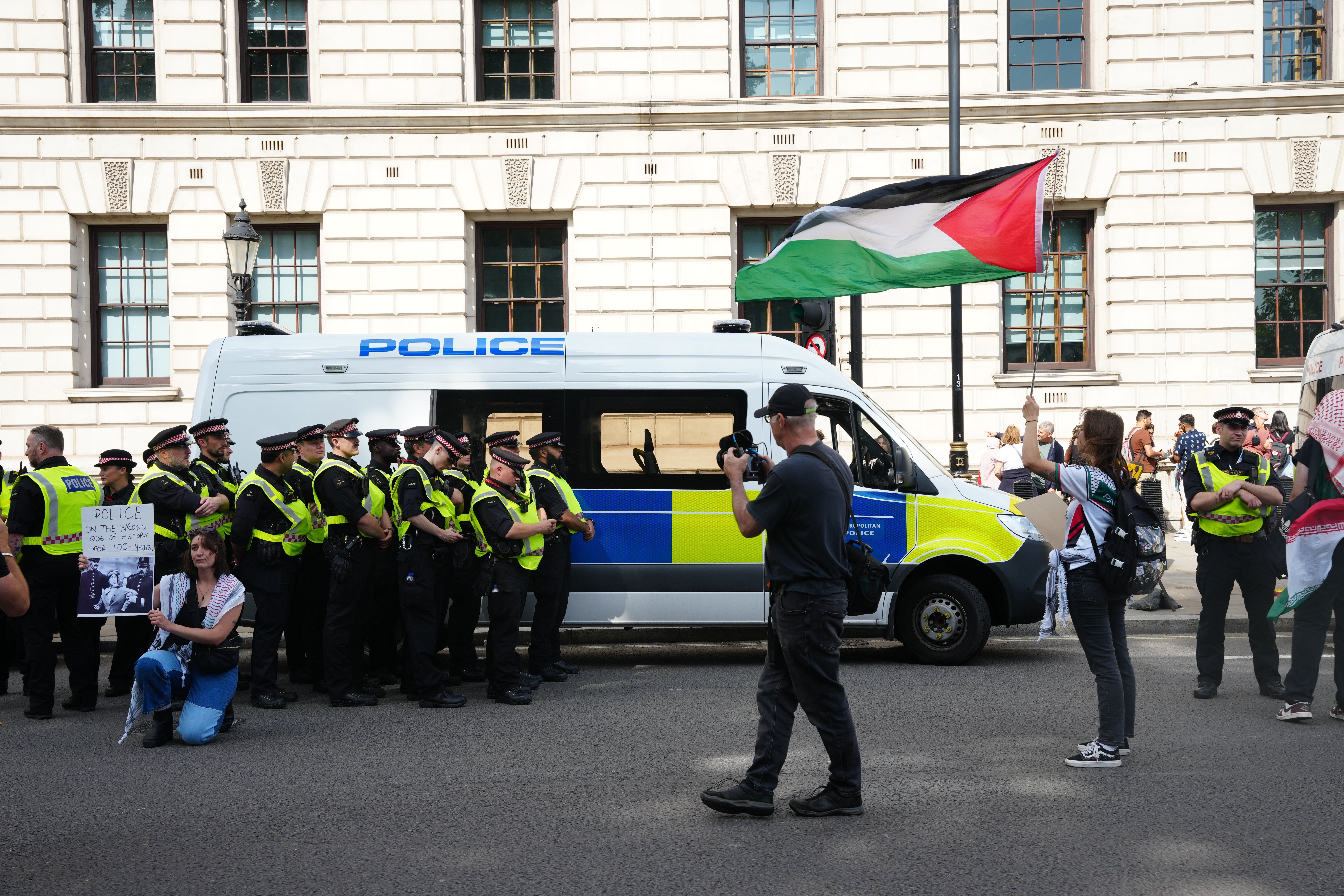
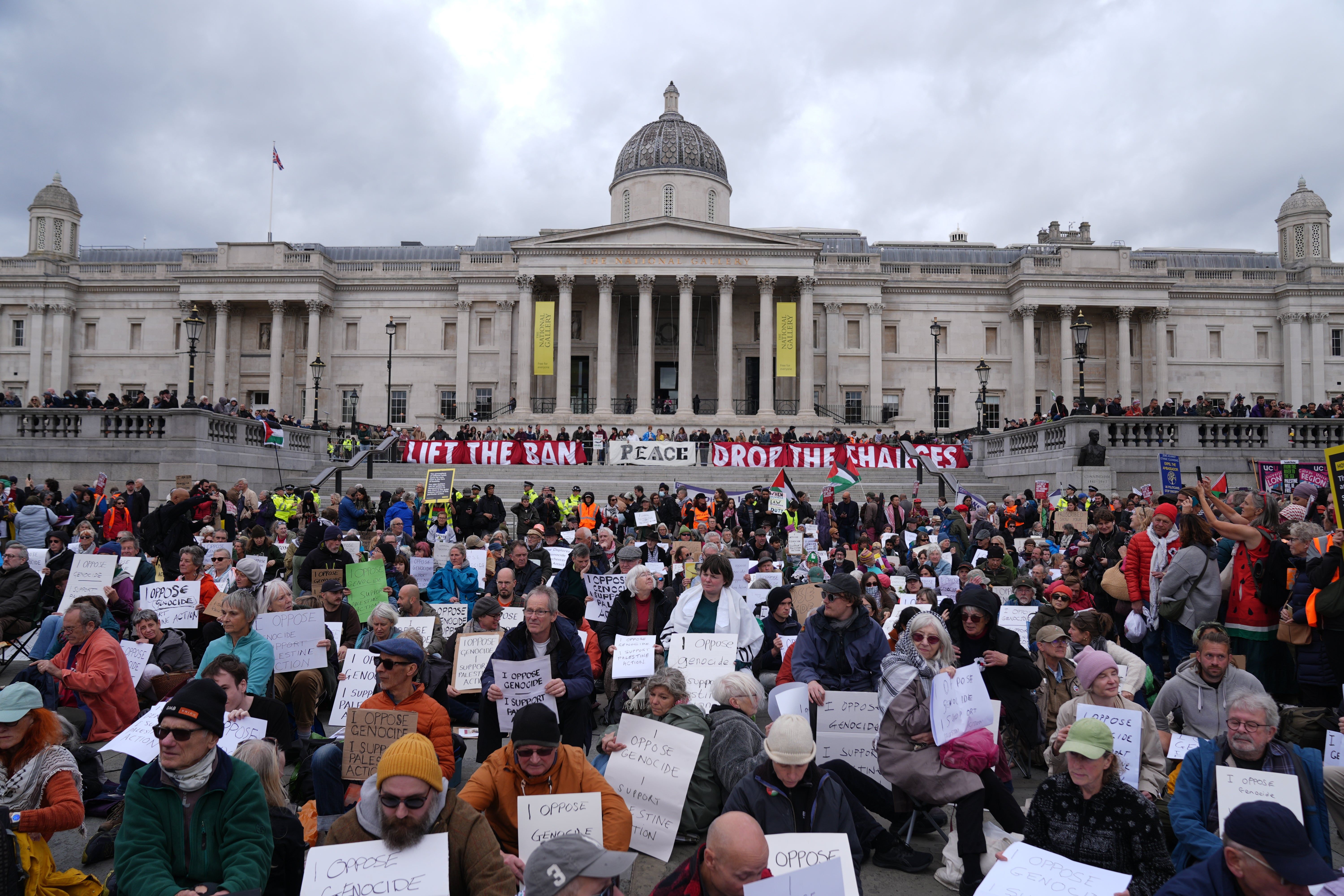
Impact on Protesters: Since the ban, over 2,000 people have been arrested for activities that became criminal offenses due to the proscription. The lawfulness of these arrests may now be called into question. The Metropolitan Police Commissioner previously noted that building cases against so many protesters was placing a "big burden" on counterterrorism officers.
Precedent for Protest Groups: This is the first time a direct action protest group has been proscribed under such laws in the UK. The ruling establishes a significant precedent regarding the application of anti-terrorism legislation to activist organizations.
Home Office's Powers: The judgment scrutinizes the Home Office's process and justification for proscribing groups. It raises questions about the adequacy of consultation and the legal basis for such decisions.
Conflicting Perspectives
The legal proceedings and the eventual ruling have highlighted differing views on the proscription of Palestine Action:
Read More: Ministers Delay Single-Sex Guidance Before May 7 Elections, Critics Say
| Perspective | Argument |
|---|---|
| Palestine Action & Supporters | Argued that the ban infringed upon rights to free speech and assembly. Claimed the proscription was an overreach of anti-terrorism laws applied to legitimate protest. Viewed the ban as politically motivated. |
| Home Office & Government | Asserted that the ban was necessary to prevent serious public disorder and protect national security, citing the group's direct action tactics. Sought to uphold the legality of their proscription decision. |
| Legal System (Court of Appeal & High Court) | Focused on the procedural correctness and legal justification for the ban. Examined whether existing laws were correctly applied and if fundamental rights were respected during the decision-making process. |
Expert Analysis
Legal experts have observed the case's broader implications for civil liberties and government powers. The ruling underscores the judiciary's role in checking executive actions, particularly when fundamental rights are involved. It also signals a careful approach needed by authorities when using anti-terrorism legislation against domestic protest groups.
The core of the legal dispute centered on whether the Home Office correctly applied anti-terrorism laws and whether the ban itself was a proportionate and lawful measure.
Conclusion and Next Steps
The High Court's declaration that the ban on Palestine Action is unlawful marks a significant legal victory for the group. The ruling directly challenges the Home Office's decision-making process and the application of anti-terrorism legislation to protest movements.
Immediate Effect: The proscription is no longer considered lawful, which may impact ongoing investigations and previous arrests.
Further Appeals: It remains to be seen if the Home Office will pursue further appeals against this ruling.
Policy Review: The judgment is likely to prompt a review of the criteria and procedures used for proscribing organizations in the UK.
The legal journey of Palestine Action highlights the complex balance between national security, counter-terrorism measures, and the rights to protest and free speech within the UK legal framework.
Read More: Man Dies After Setting Fire Outside UN in Protest
The Guardian: Published 1 hour ago (as of query time), providing the most recent update on the High Court's ruling. Link: https://www.theguardian.com/uk-news/live/2026/feb/13/high-court-to-rule-on-lawfulness-of-home-offices-decision-to-proscribe-palestine-action-live
BBC News: Published Oct 17, 2025, detailing the government's failed bid to block the appeal. Link: https://www.bbc.co.uk/news/articles/ce9dg5v43vmo
The Independent: Published Oct 17, 2025, confirming the Court of Appeal's decision to allow the challenge. Link: https://www.independent.co.uk/news/uk/crime/palestine-action-terror-high-court-challenge-b2847334.html
Evening Standard: Published Sep 4, 2025, reporting on the Home Office's successful bid to appeal the High Court's permission for review. Link: https://www.standard.co.uk/news/politics/home-office-challenge-palestine-action-terror-ban-appeal-b1246083.html
LBC: Published Oct 17, 2025, stating the group can challenge the ban after the government lost its appeal. Link: https://www.lbc.co.uk/article/palestine-action-co-founder-court-appeal-5HjdFYb2/
BBC News: Published Sep 4, 2025, noting the government's permission to challenge the appeal. Link: https://www.bbc.co.uk/news/articles/ckgejwx3grlo
Matrix Chambers: Published Jul 31, 2025, announcing permission was granted for the co-founder to proceed with the challenge. Link: https://www.matrixlaw.co.uk/news/palestine-action-co-founder-granted-permission-to-proceed-with-challenge-to-proscription-decision/