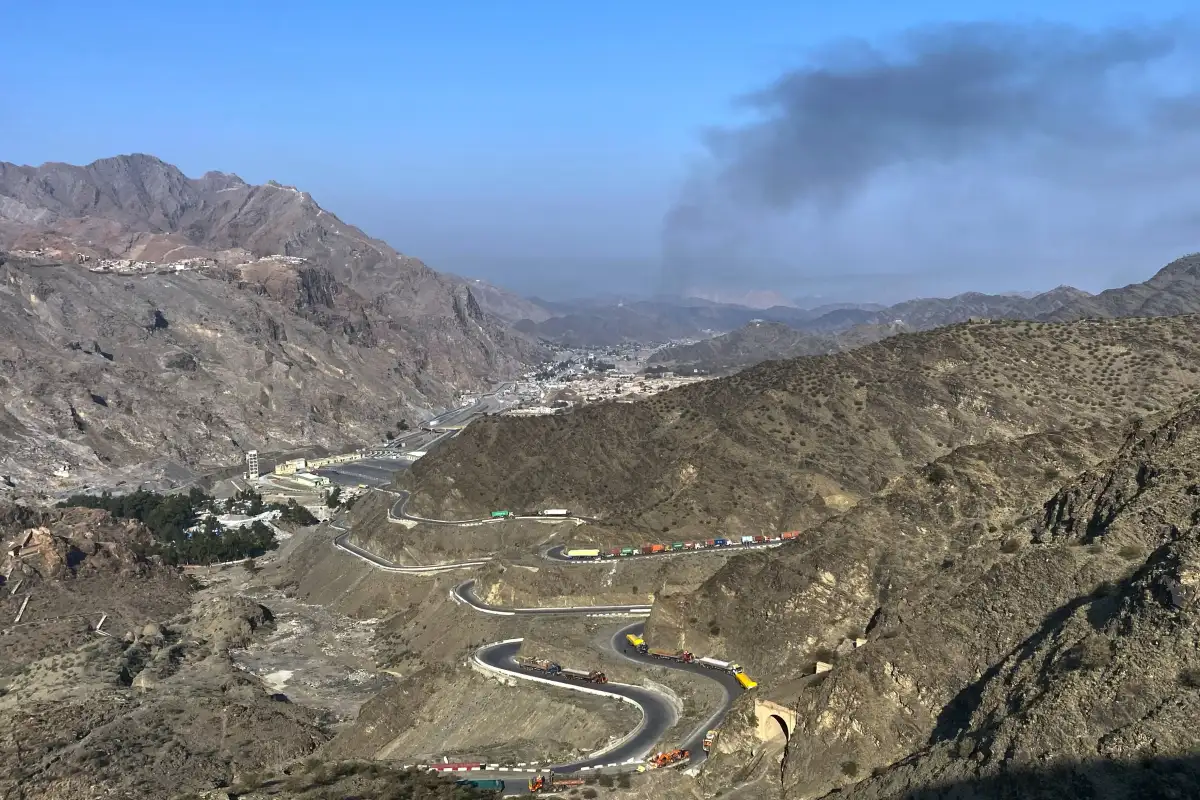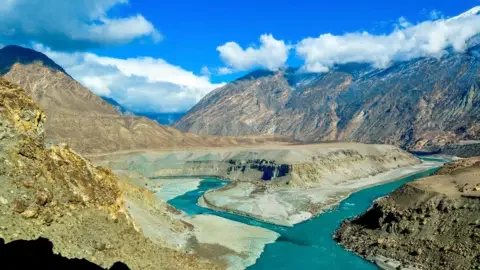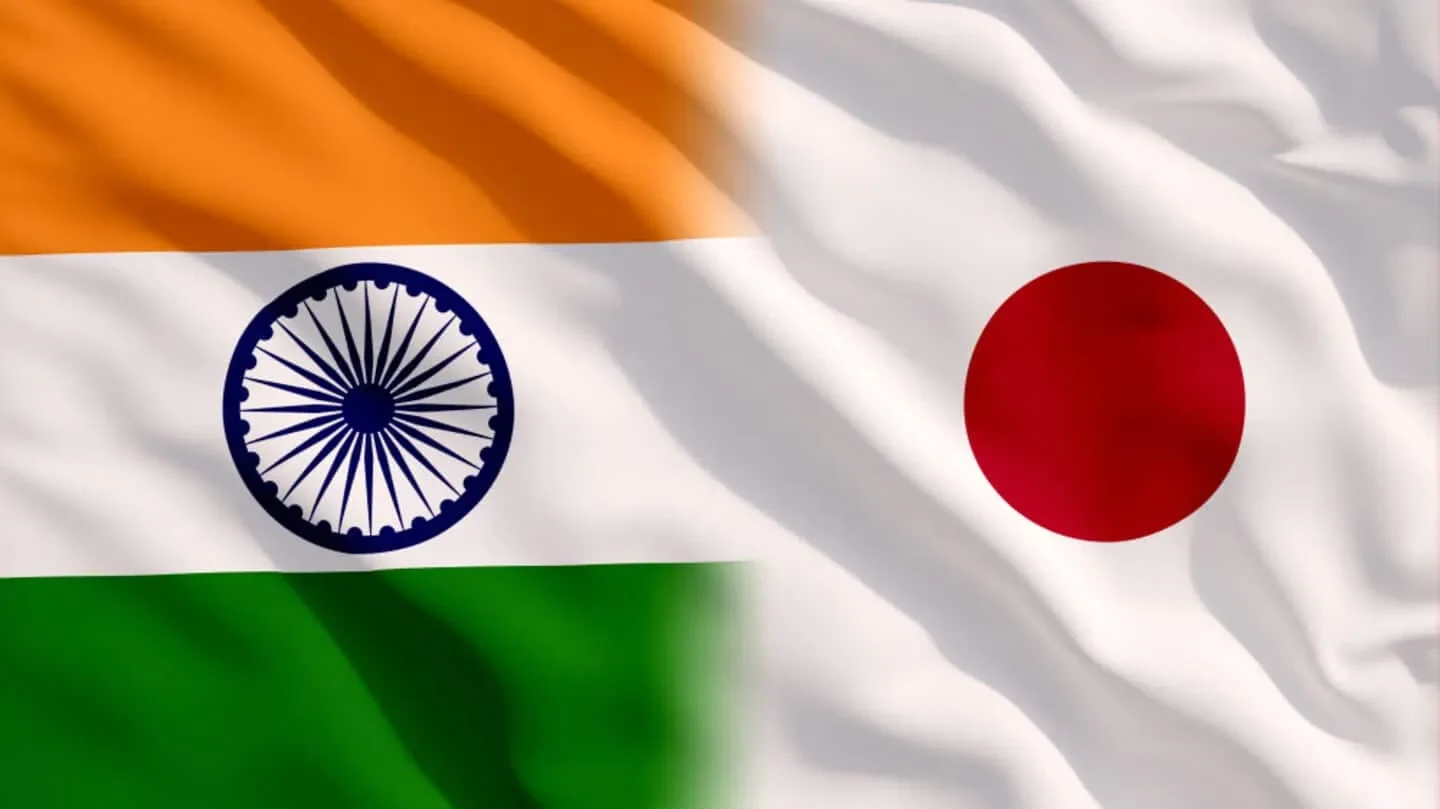
Aides from Ankara have lent support to Pakistan's stance on Kashmir, issuing remarks that India views as unwelcome interference. The pronouncements, particularly those urging India "not to be resentful," have stirred a delicate diplomatic atmosphere. This public backing of Pakistan's position on the disputed territory marks a significant, if not entirely surprising, diplomatic maneuver from Turkey.
The implications of Turkey's vocal engagement with the Kashmir issue are multifaceted. On one hand, it aligns Ankara with Islamabad on a matter of considerable geopolitical weight for both nations. On the other, it risks escalating regional tensions and complicating India's intricate foreign policy calculations. The precise motivations behind Turkey's assertive posture remain a subject of analysis, with observers questioning whether this is a calculated bid to bolster its regional influence or a more symbolic gesture.
India's Reaction and Regional Dynamics
New Delhi has not been silent. While official statements have been measured, the underlying sentiment in Indian diplomatic circles points to a clear disapproval of what is perceived as external meddling. The reference to India being "resentful" has been particularly singled out, interpreted by some as an attempt to frame India's concerns as emotional rather than legitimate geopolitical positions.
Read More: AFP Reviews War Crime Claims Against Australian in Gaza
This diplomatic back-and-forth underscores the broader shifts occurring in South Asian and Eurasian geopolitics. Turkey, under President Erdoğan, has increasingly sought to project itself as a significant player on the global stage, extending its influence beyond its immediate neighborhood. Its engagement with the Kashmir dispute can be seen as part of this larger ambition, attempting to leverage its historical and religious connections to gain traction in Muslim-majority regions.
Historical Context and Shifting Alliances
Turkey's engagement with the Kashmir issue is not entirely novel, though its recent assertiveness is noteworthy. Historically, Ankara has maintained generally cordial relations with both India and Pakistan, navigating a path that, until recently, often prioritized broader economic and strategic ties over pronounced political endorsements.
However, recent years have seen Turkey adopt a more pronounced foreign policy, marked by increased assertiveness in the Eastern Mediterranean, Libya, and the Caucasus. This has led to a re-evaluation of its relationships with various countries, including India and Pakistan. The current episode suggests a deepening alignment with Pakistan on specific issues, potentially at the expense of its traditionally more neutral stance towards India. This development warrants close observation as regional alliances continue to be redrawn.
Read More: US supports Pakistan border strikes against Taliban as of April 2026