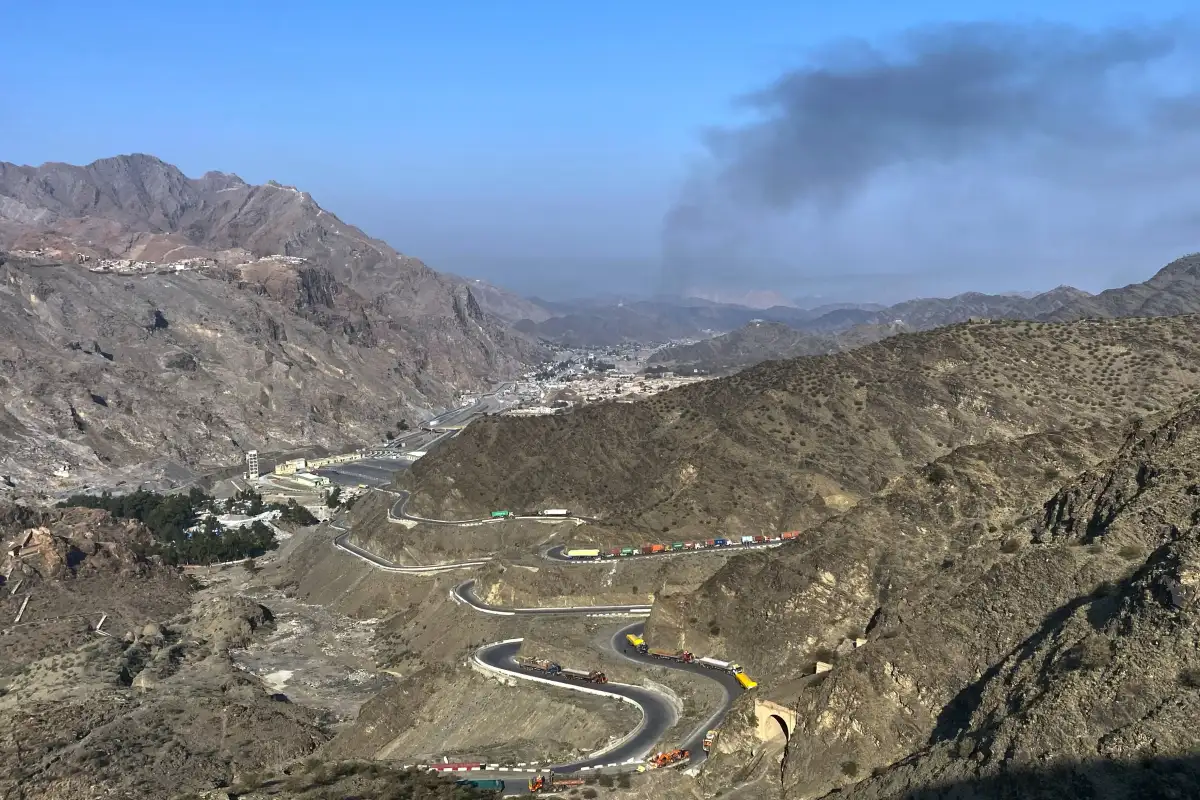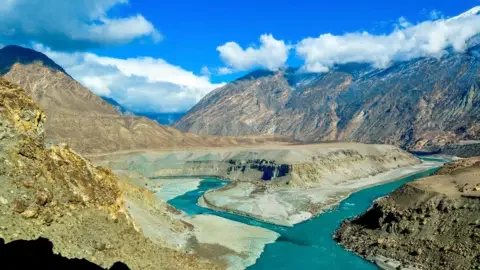
As of April 7, 2026, the Indus Waters Treaty (IWT) remains functionally dismantled. Following the Pahalgam terror attack on April 22, 2025, which resulted in 26 deaths, the Indian government declared the 1960 pact void, prioritizing domestic water sovereignty over international bilateral commitments.
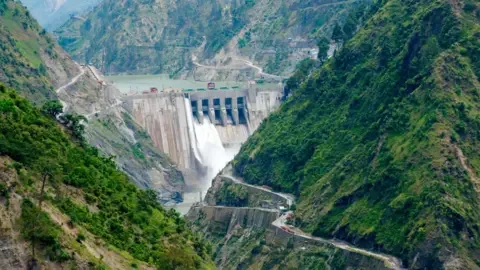
India has officially shifted its policy to prioritize water rights for its own farmers, rejecting the prior mandate of shared river basin access, citing Pakistan's alleged use of "nuclear blackmail" as the catalyst for total decoupling.
Current Status of the Hydrological Stand-off
The rupture of the treaty—a document that previously survived three full-scale wars—has moved the region into a state of structural uncertainty:
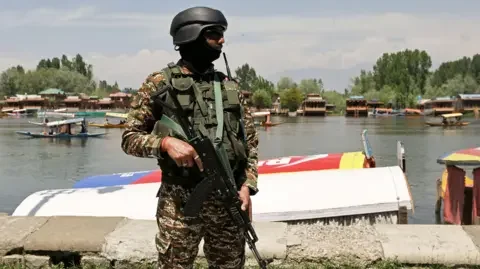
Infrastructure Modification: India has indicated the intent to build or adapt infrastructure to hold or divert water within the Indus basin, effectively threatening the flow into Pakistan.
Official Rhetoric: Prime Minister Narendra Modi stated that "water and blood cannot flow together," signaling a permanent shift away from the cooperative water-sharing framework that governed the region for over six decades.
Pakistani Response: Deputy PM Ishaq Dar continues to contest the legality of the suspension, arguing that the treaty cannot be unilaterally dissolved, despite mounting pressure on the Pakistani state to restore the water lifeline.
| Feature | Pre-2025 Context | Post-April 2025 Context |
|---|---|---|
| Legal Basis | 1960 Indus Waters Treaty | Treaty suspended/rejected by India |
| Primary Driver | Diplomatic Cooperation | Pahalgam terror attack |
| Escalation Factor | Border Skirmishes | Nuclear-postured rhetoric |
| Water Flow | Regulated by permanent commission | Uncertain/Subject to infrastructure modification |
Geopolitical Fragility
The crisis reflects a hardening of Strategic Autonomy for India, which now treats the Indus system as a sovereign asset rather than a shared ecological resource.
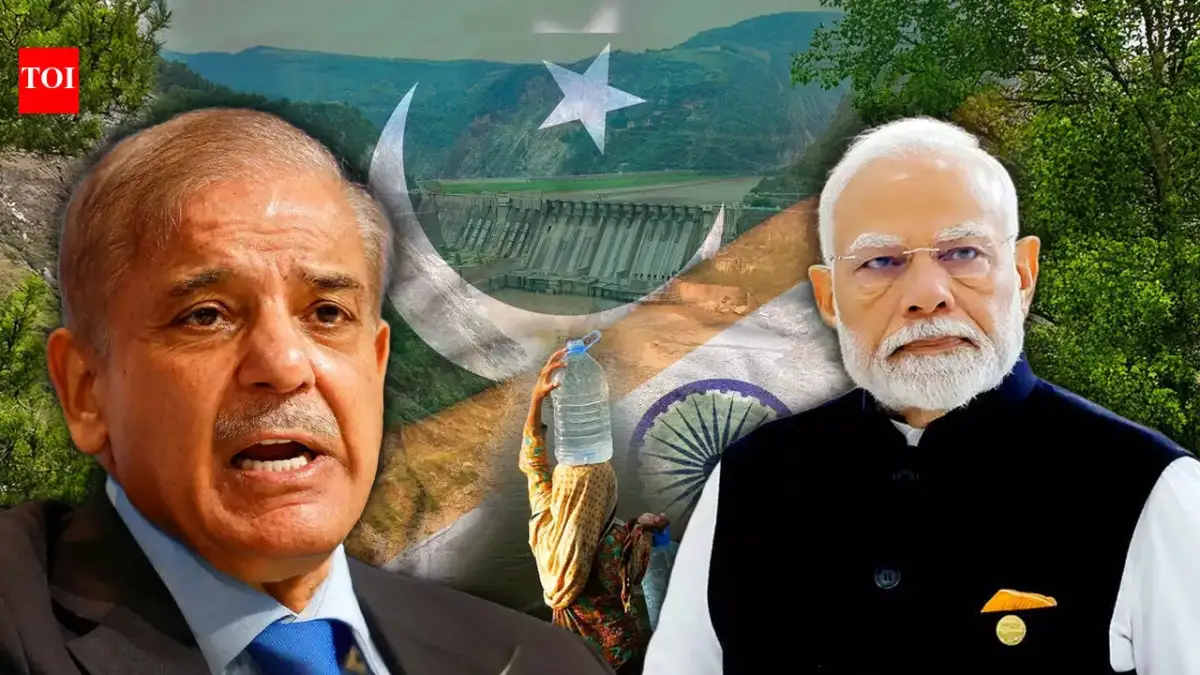
Security Risks: The introduction of nuclear threats into a dispute over hydrological resources creates a dangerous, unprecedented feedback loop. While Pakistan warns of the existential danger posed by reduced water flows, India maintains that security failures—specifically the Pahalgam event—preclude continued engagement with the previous water-sharing regime.
Systemic Implications: The suspension places significant strain on regional stability. With the treaty in flux, the Indus basin has transformed from a space of technical bureaucratic management into a theater of hard power.
"India won't tolerate nuclear blackmail," stated PM Modi during the 79th Independence Day address, clarifying that the right to the water is now held exclusively by the Indian state.
Background on the Rupture
The Indus Waters Treaty, brokered by the World Bank, historically governed six rivers flowing between the two nations. For decades, it was considered one of the most durable agreements in the region. However, the events of April 2025 fundamentally altered this, moving India toward a policy of "non-cooperation" regarding shared water rights. International concern remains high, yet there is little indication of a return to the status quo as India accelerates its infrastructure planning to solidify its control over the river waters.
Read More: US supports Pakistan border strikes against Taliban as of April 2026