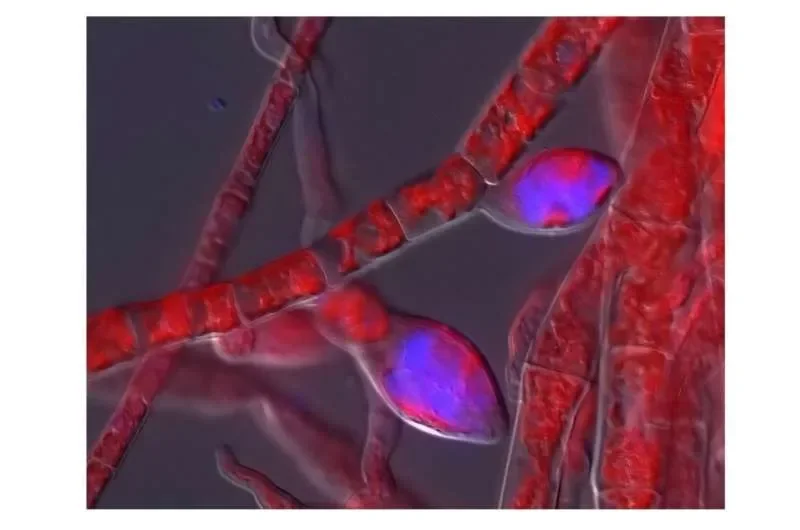
Researchers have uncovered compelling evidence that massive viruses, long believed to exist solely as fleeting entities, can embed themselves permanently within the genetic material of multicellular organisms. Specifically, giant viruses have been found to lie dormant for extended periods within the genome of the brown alga Ectocarpus, surviving across generations before reactivating. This groundbreaking discovery, published in Nature Microbiology, challenges established notions about viral behavior and introduces a novel paradigm for understanding viral latency.
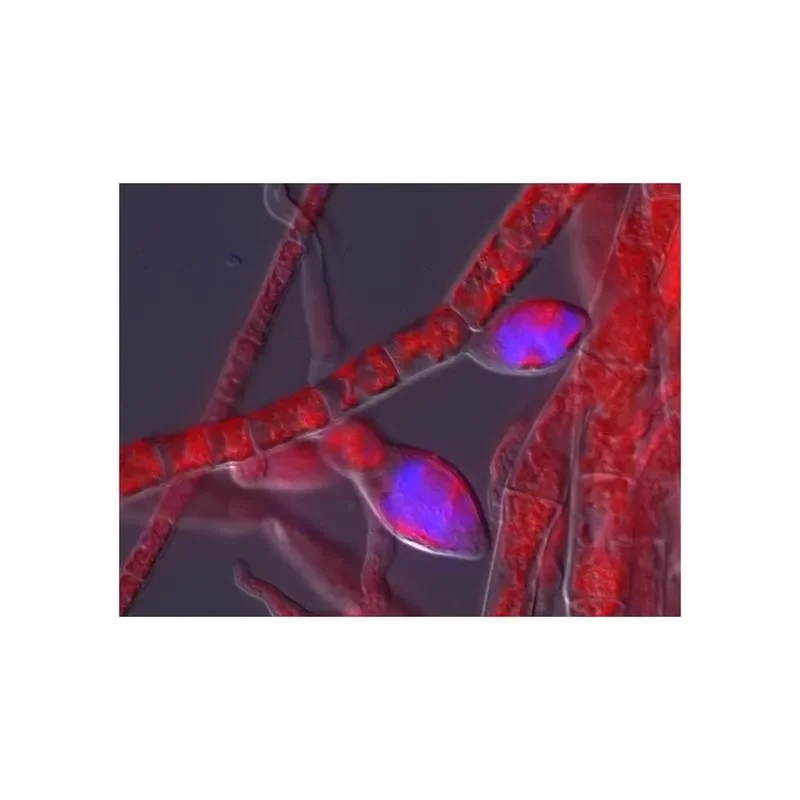
The study reveals that the alga's genome harbors complete, intact sequences of these giant viruses, termed giant endogenous viral elements (GEVEs). This indicates a capacity for viral latency – the ability of a virus to persist silently within a host and then reactivate. This finding provides a significant new model for investigating viral latency, evolution, and the intricate dynamics between hosts and viruses, especially considering the alga's dual transmission strategy, which includes both vertical (inheritance) and horizontal (infectious particles) spread.
Read More: Indigenous Data Rights Now Key in Conservation Genomics
The research, conducted by scientists at the Max Planck Institute for Biology Tübingen, involved intricate work with Ectocarpus, a widely used model organism for studying multicellular life. Their findings suggest that these GEVEs are not merely remnants but potentially functional viral components capable of reawakening.
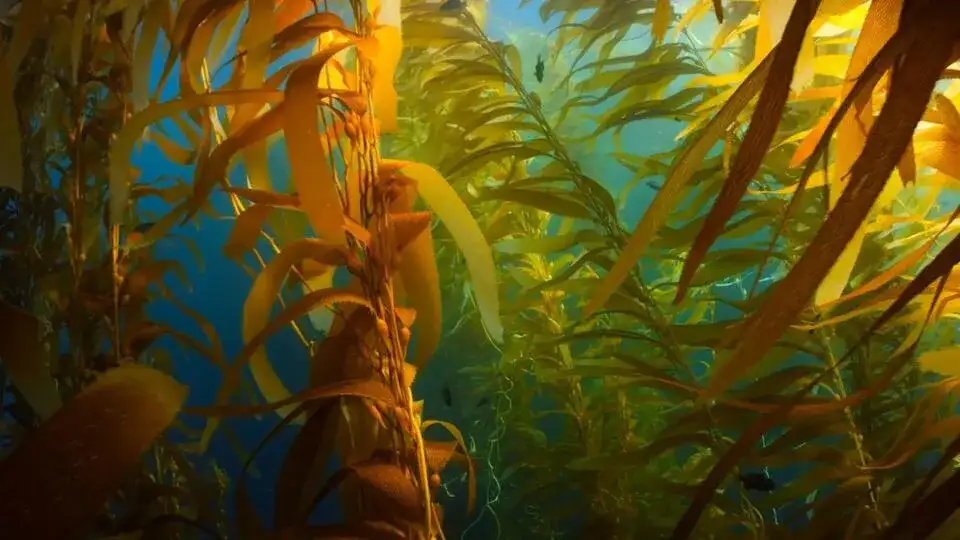
This phenomenon of viruses integrating into host genomes and being passed down is not entirely new; however, the persistence and demonstrable reactivation of such massive viral entities within a complex multicellular organism represents a significant advancement in our understanding. While earlier observations had noted viral DNA within unicellular organisms like the green alga Chlamydomonas reinhardtii, this latest work extends the scope to multicellular life and demonstrates a more active form of viral dormancy and reactivation.
Further investigations into viral infections in marine algae, such as those conducted at Wake Forest University, have opened new avenues for research into how these viral interactions shape microbial communities. The current findings from the Max Planck Institute add a critical layer to this ongoing scientific inquiry, highlighting the deep, generational connection that can exist between seemingly simple life forms and the viruses they host.
Read More: Hagfish Lost Eyes But Gained Other Senses, Fossils Show