The air we breathe within our homes is a cocktail of unseen chemicals, emanating from items we interact with daily. PFAS, dubbed 'forever chemicals', are turning up in food packaging, water systems, and accumulating in our bodies. These substances, notoriously resistant to degradation, pose a persistent threat. Alongside them, flame retardants also leach from products, contributing to a build-up in household dust, a ubiquitous element in our indoor environments.
The pervasive nature of these chemicals, from cookware to cleaning supplies, means exposure is often unavoidable, raising concerns about long-term health implications.
New furnishings and appliances often carry a distinct 'new' smell, a scent that signals the release of potentially harmful volatile organic compounds (VOCs). These emissions contribute to indoor air pollution, which, according to the U.S. Environmental Protection Agency, can be significantly more concentrated than outdoor air, given that most individuals spend approximately 90 percent of their time indoors. Products ranging from paints and adhesives to air fresheners are identified sources of these VOCs.
Read More: India IVF Costs And Social Barriers Limit Access In April 2026
Common household items identified as potential sources of health risks include:
Non-stick cookware: The coatings on these pans can degrade and release harmful substances.
Cleaning products: Many contain chemicals that create unhealthy living environments.
Personal care products: Items like shampoo, moisturizers, and makeup can contain irritants such as parabens, sulfates, and oxybenzone.
Mothballs and pesticides: These often contain harmful chemicals.
Pressed wood products: Emissions from these materials can impact indoor air quality.
Vinyl flooring and shower curtains: These can be sources of chemical release.
Scented candles and commercial air fresheners: Burning these releases gases with potential adverse health effects.
The Unseen Accumulation
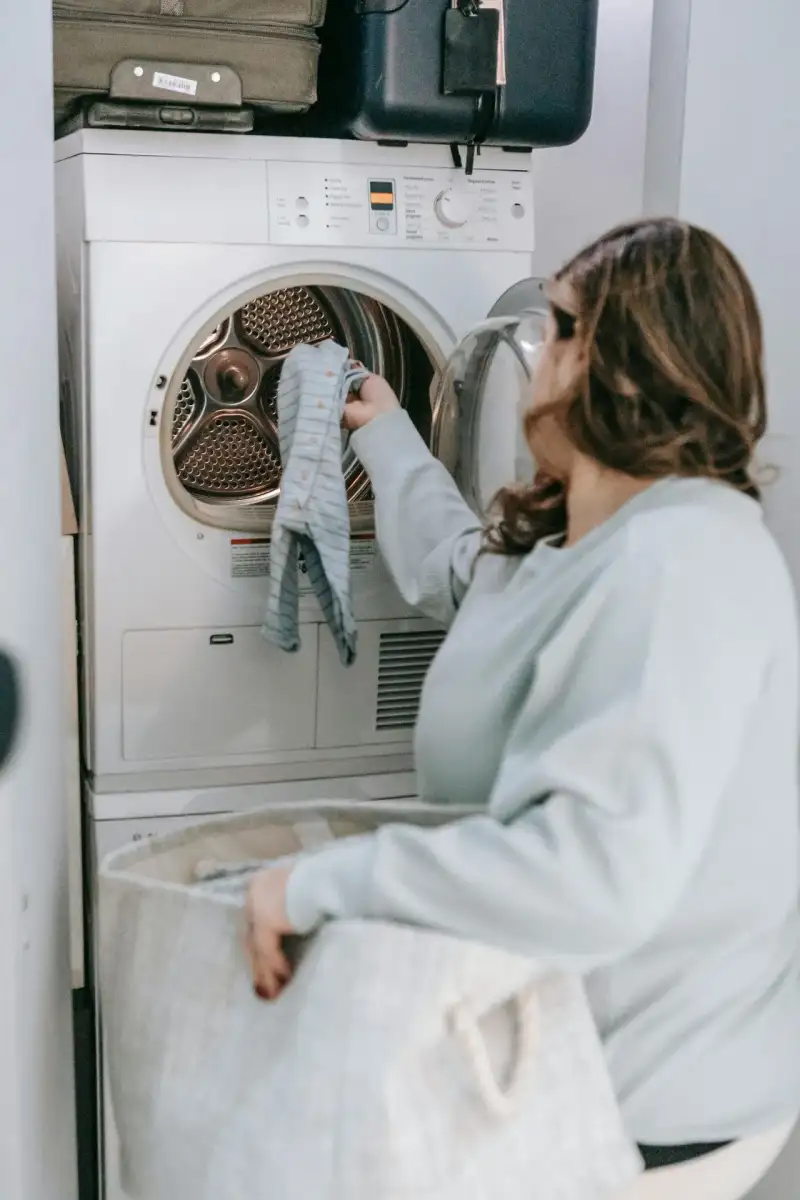
The danger isn't always immediate; often, household troubles begin as subtle inconveniences that can escalate over time. Dryer lint and vents, while seemingly innocuous, can pose fire risks if not maintained. Similarly, water bottles, particularly those used for shakes or sugary drinks, can become breeding grounds for bacteria and other microbes, especially if not cleaned regularly.

Factors exacerbating health risks include:
Higher exposure levels: The greater the contact with these chemicals, the more significant the potential health impacts.
Accumulation: Chemicals like PFAS and flame retardants do not break down easily, leading to their build-up in the environment and within the human body.
Navigating the Chemical Landscape
While it's challenging to eliminate all chemicals from our living spaces, informed choices can mitigate risks. Recommendations include:
Opting for low-VOC or VOC-free paints and products.
Choosing safer alternatives for items like dryer sheets, such as wool dryer balls.
Seeking out fragrance-free or natural cleaning products, or even making homemade alternatives like vinegar-based cleaners.
Being aware of regulations and safety data related to household products.
Ensuring proper ventilation, especially when using products like paints.
Background information highlights that chemicals are present in numerous everyday items, and their impact depends on the level of exposure. Some chemicals, like lead, remain a concern, particularly for children. The sourcing and composition of products, from furniture and flooring to personal care items and cookware, all contribute to the overall chemical load within a home.
Read More: Home Devices Use Power When Off, Costing You Money