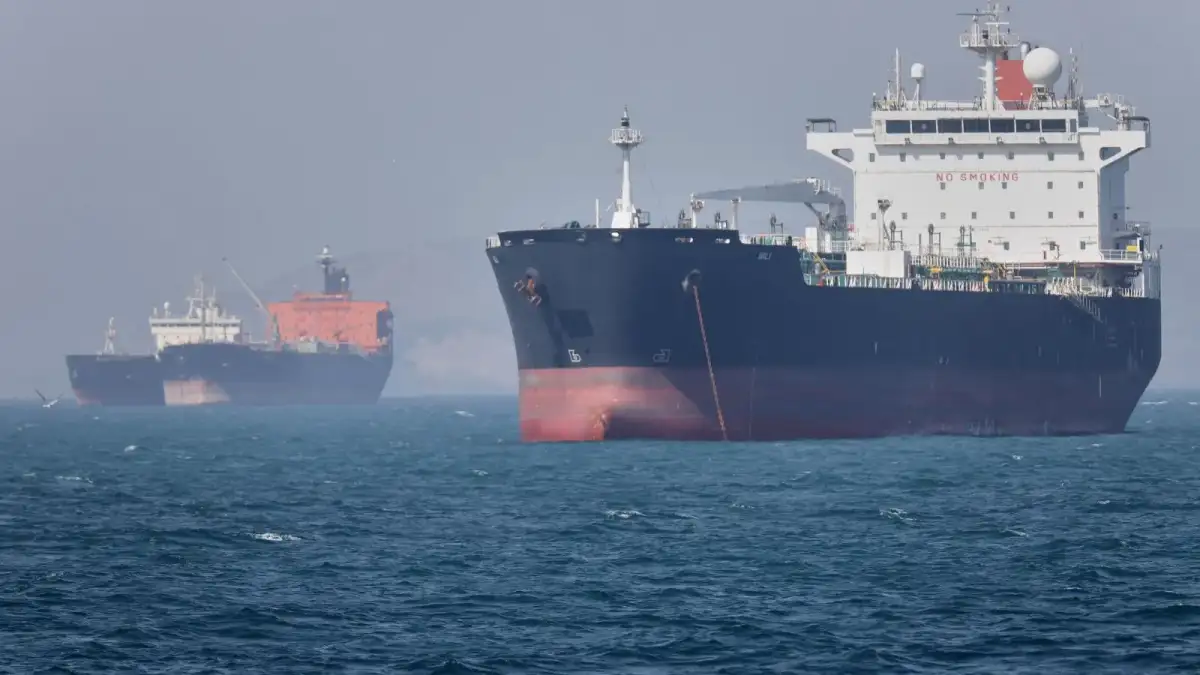
Oil prices surged on Friday, following an exchange of fire between United States and Iranian forces in the Strait of Hormuz. The incident, the first such clash since a ceasefire was announced on April 7, has amplified concerns over the fragility of the truce and the potential for renewed disruption to global energy shipments.
D the US and Iran exchanged fire in the Strait of Hormuz, the first such flare-up since a ceasefire announcement on April 7.
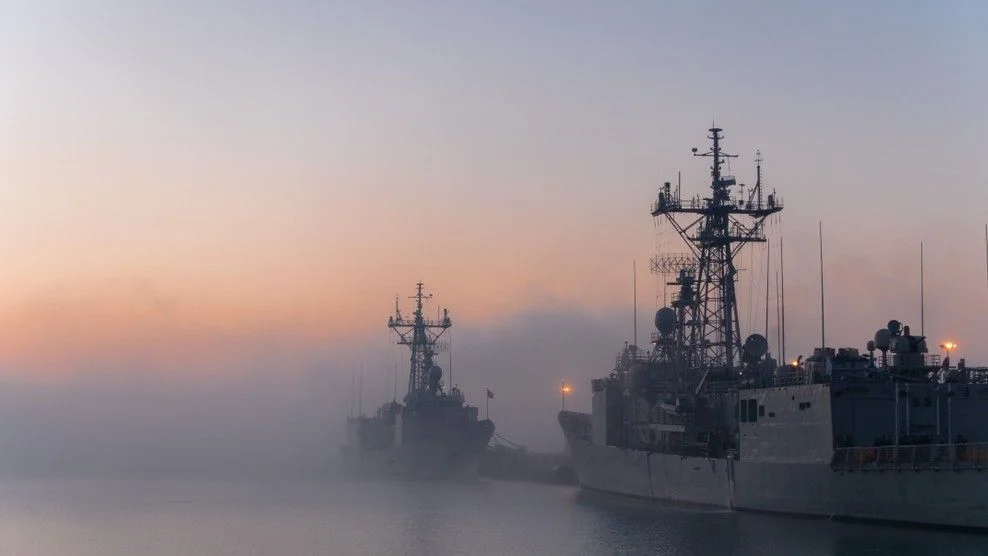
Oil prices recorded gains Friday morning. The skirmish occurred on Thursday.== Three US destroyers were involved.
Escalation and Retaliation
According to Iranian state media, Iran claimed the US had violated the ceasefire. The US, for its part, stated its strikes were in retaliation after Iran fired on US Navy vessels transiting the Strait.
Iranian forces launched multiple missiles, drones, and small boats against the USS Truxtun (DDG 103), USS Rafael Peralta (DDG 115), and USS Mason (DDG 87).
The US claimed to have "eliminated inbound threats and targeted Iranian military facilities responsible for attacking U.S. forces."
President Donald Trump stated that the US-Iran ceasefire was still in place despite the attacks.
US Central Command indicated it was not seeking to escalate the conflict.
"There was no damage done to the three Destroyers, but great damage done to the Iranian attackers." - President Donald Trump
Iran accused the US of breaching the month-long ceasefire and alleged that US strikes hit an Iranian oil tanker, another vessel, and civilian areas.
Market Reaction and Future Outlook
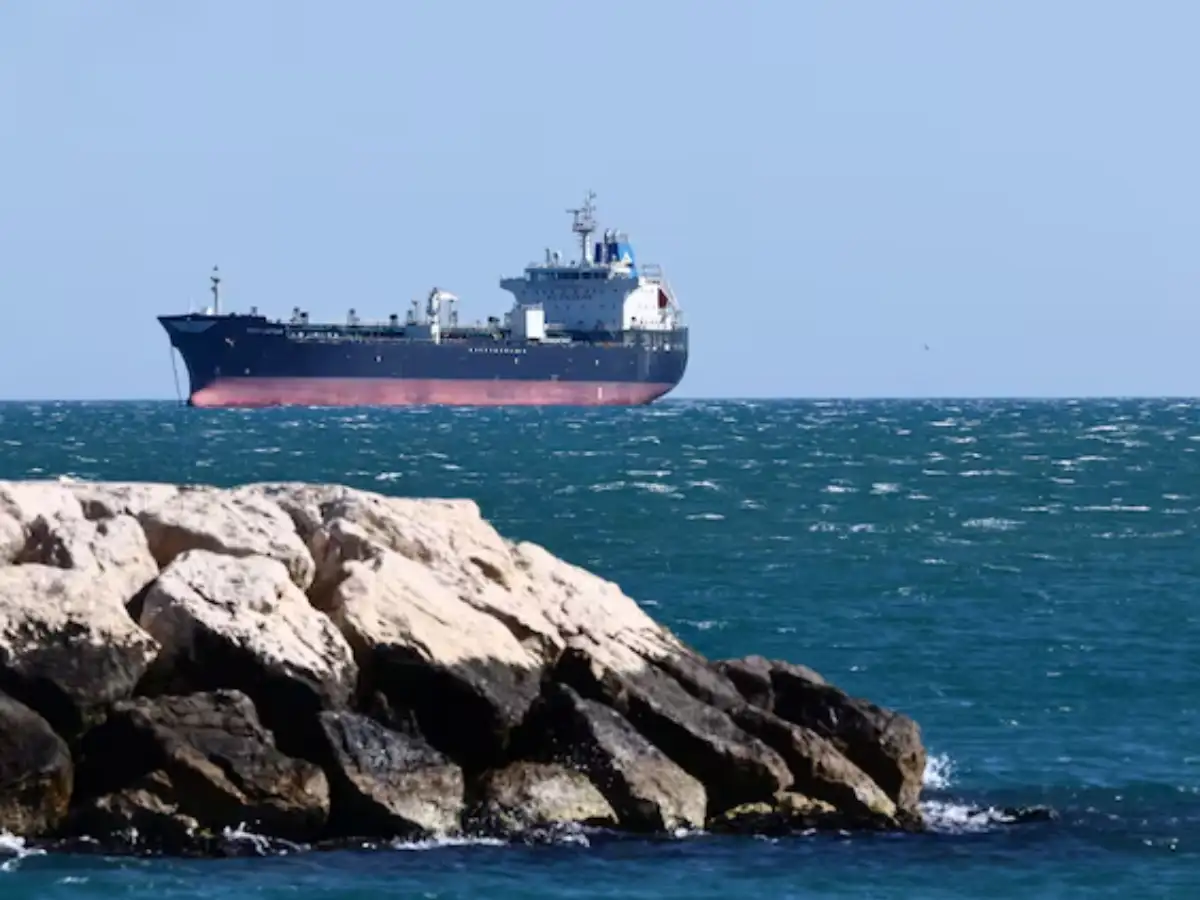
The exchange of fire has renewed fears of disruption to shipping through the Strait of Hormuz, a vital artery for global energy supplies, which has seen trade virtually halted since February 28.
Read More: Solaris Energy SEI Stock Price Forecast Reaches $91.98 by July 2027
International benchmark Brent crude futures for July delivery rose 1.20% to $101.26.
West Texas Intermediate (WTI) crude futures also recorded strong gains.
Analysts at Citi expect broader financial markets to stabilize but warned that the path to normalization could be uneven, potentially keeping oil prices elevated.
"The market was struggling to price developments clearly." - Vandana Hari, founder of oil market analysis firm Vanda Insights
Background Context
The renewed hostilities follow a period of fragile calm and ongoing talks between Washington and Tehran. These discussions reportedly center on a proposed framework to formally end the war, reopen Hormuz, and address Iran's nuclear program. Earlier this week, Secretary of State Marco Rubio declared 'Operation Epic Fury' over, stating its objectives of weakening Iran's military capabilities had been met. The recent confrontation also comes days after Iranian attacks on UAE targets reportedly set an oil facility ablaze, leading President Trump to pause "Project Freedom."
A new government agency, the Persian Gulf Strait Authority, has reportedly been established by Iran to formalize toll collection in the Strait.