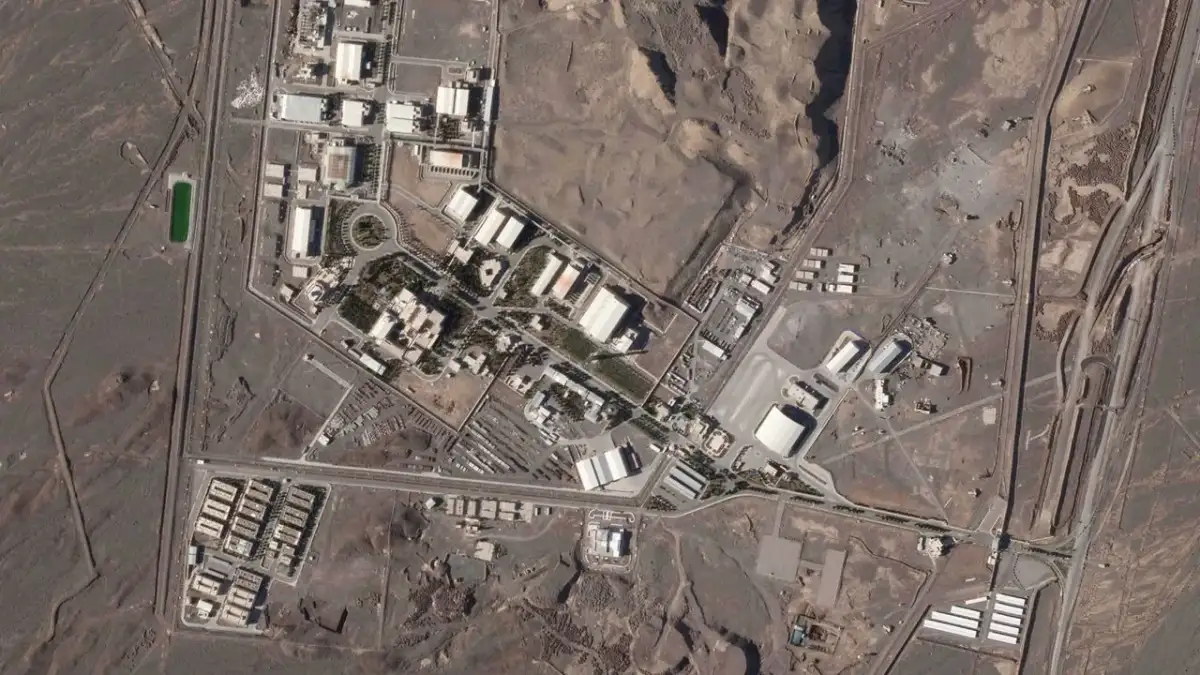
Explosions reverberated across Qeshm Island in the strategically vital Strait of Hormuz early Thursday. Iranian state television reported the blasts occurred during an "exchange of fire." This marks a significant escalation, following an earlier incident where three U.S. Navy guided-missile destroyers reportedly fended off an Iranian attack.
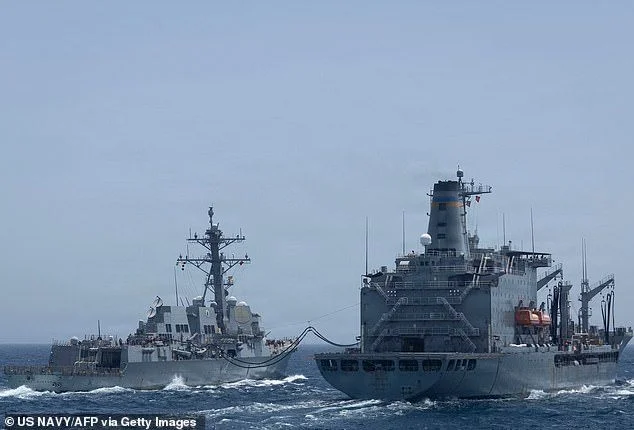
The U.S. military stated its forces targeted Iranian military facilities responsible for launching attacks against warships transiting the Strait of Hormuz. The U.S. Central Command confirmed the strikes, while also asserting that the U.S. "does not seek escalation." President Trump characterized the recent confrontation as a "love tap" and insisted a ceasefire remained in place, despite the midnight assault.

Broader Tensions and Peace Efforts
This exchange follows a series of aggressive actions. Earlier this week, Iran launched missiles and drones at the United Arab Emirates and a ship in the Strait of Hormuz, breaking a ceasefire that had taken effect April 8. U.S. forces responded by sinking seven small Iranian boats during an attempted seizure of two oil tankers near the Strait. In a separate incident last week, Iran attempted to seize two oil tankers, firing shots at one, according to the U.S. Navy. Iranian naval vessels reportedly retreated after a U.S. guided missile destroyer arrived on the scene.
Read More: Iran Zagros Mountain Nuclear Site Construction Update April 2026
President Trump has presented a one-page memo with concessions aimed at securing a permanent peace deal. Negotiations are reportedly underway, with a potential 30-day window to address the reopening of the Strait of Hormuz, the lifting of U.S. sanctions on Iran, and new limits on its nuclear program.
A History of Friction
The Strait of Hormuz remains a critical chokepoint for global oil transport, and its security has been a recurring flashpoint. In March, President Trump threatened to strike Iran's Kharg Island oil network if shipping lanes remained blocked. Iran's military has previously warned of attacks on U.S. forces entering the Strait. Efforts by French officials to assemble a coalition to secure the waterway are reportedly ongoing, contingent on the stabilization of the security situation. The recent exchange of fire adds another layer of complexity to an already volatile regional dynamic.
Read More: Gulf Oil Exports Rise in June but Still Below Pre-War Levels