The recent period has seen a surge in discussions and actions surrounding President Donald Trump's tenure, marked by legal challenges to his executive actions and renewed conversations about mechanisms for presidential removal.
Legal Battles Mount Against Executive Actions
Trump's administration has actively sought to reshape the presidency, often by targeting agencies and individuals designed to act as checks on presidential power. This push has resulted in a significant number of lawsuits, with over 100 cases challenging his executive orders and actions making their way through federal courts.
Federal courts have been a key battleground, with judges issuing temporary holds on certain Trump orders, such as the freeze on some federal spending.
Despite warnings from the judiciary about violations of court orders, the administration's approach suggests a strategy of pushing the boundaries of presidential authority.
These legal showdowns highlight a tension between Trump's exercise of power and the established legal and institutional checks designed to govern it.
Conversations Turn to Presidential Removal
Amidst these challenges, the possibility of removing Trump from office before the end of his term has re-entered public discourse. While Trump himself has shown no inclination to resign, citing his strong support base and a perceived lack of circumstances that would compel such an action, discussions about alternative removal routes persist.
Read More: BC MLA Withdraws Housing Bill M216 After Opposition from Cities and Unions
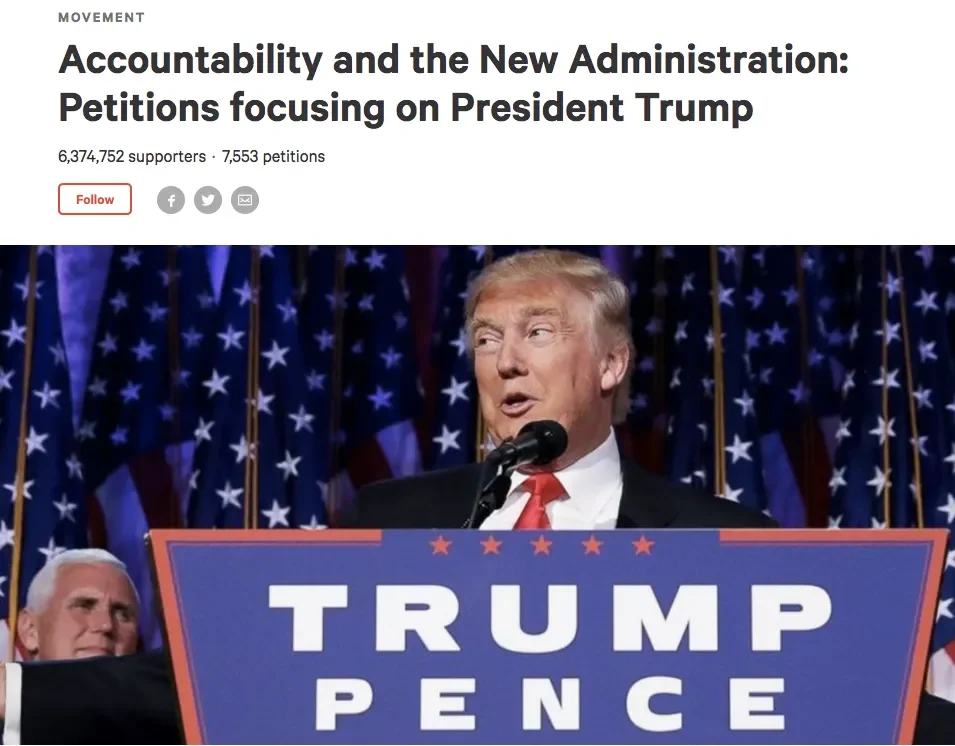
The invocation of the '25th Amendment' has been raised as a potentially quicker alternative to impeachment for removing a president deemed unfit. Such an action would require a two-thirds majority in both legislative chambers.
Commentators have explored scenarios where Trump might refuse to leave office, emphasizing that existing power structures are designed to facilitate removal in such instances.
Shifting Presidential Norms and Bureaucratic Overhaul
Beyond legal and constitutional debates, Trump's presidency has been characterized by a broader effort to remake the executive branch. This has included efforts to dismantle federal watchdog agencies and overhaul the bureaucracy, signaling a move away from traditional presidential norms.

The administration has pursued actions that break with established practices, such as seeking to feature living individuals on U.S. coins, a move that faced resistance but underscored a willingness to challenge long-standing conventions.
Efforts to streamline or alter the functions of various government bodies, including those responsible for oversight, have been noted, raising questions about accountability and the balance of power.
Background: A Presidency Defined by Challenges
The discussions and events detailed above are situated within a broader context of a presidency marked by constant contention. From early in his term, analyses have explored how Trump could be compelled to leave office, examining both his political standing and the constitutional mechanisms available. The nature of his support, coupled with his own stated intentions to act as a dictator "for a day," has fueled speculation about his commitment to established democratic processes. The persistent legal challenges and the administration's proactive stance in testing presidential limits paint a picture of a White House engaged in a continuous effort to redefine the scope of its authority.
Read More: Supreme Court Rejects Food Safety Task Force Bid on Thursday